
#Product Trends
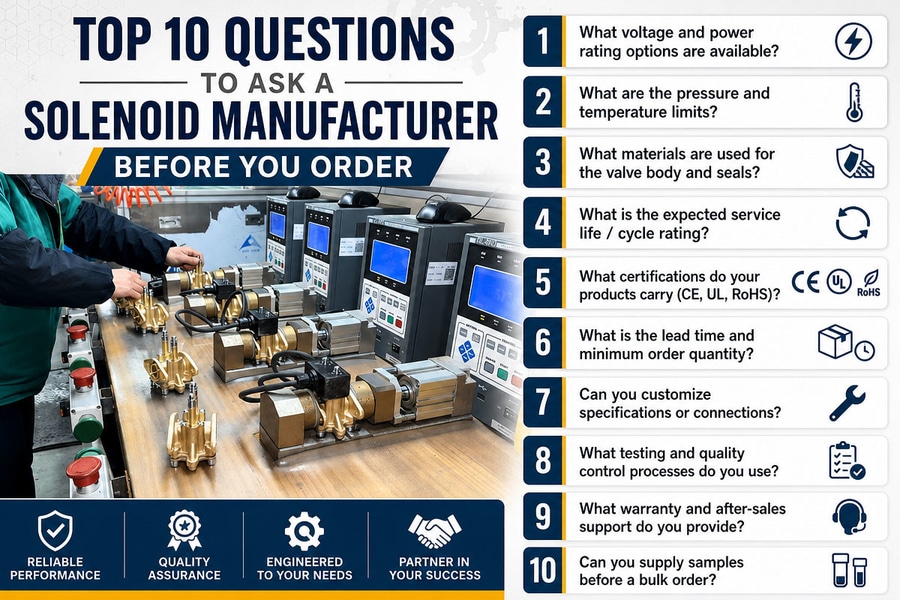
Top 10 Questions to Ask a Solenoid Manufacturer before You ordering
Learn the top 10 questions to ask a solenoid manufacturer before ordering. Ensure quality, customization, reliability, pricing, and supplier selection.
Choosing the right solenoid manufacturer is a difficult task for OEM engineers, purchasing managers and product developers. A solenoid is often a tiny element, but the performance of this device significantly impacts the reliability, safety and life span of the final equipment.
Depending on your needs, you may require a tubular solenoid, a push-pull solenoid, a latching solenoid, a holding electromagnet, a solenoid valve actuator or any other electromagnetic solution. Choosing the right manufacturer will help you save time and efforts on costly design changes, quality issues and production delays.
A number of buyers evaluate solenoids based on price alone. However, there are lots of manufacturers of electromagnetic devices that cannot guarantee quality, reliable performance, stable production and long-term collaboration.
Professional custom solenoid manufacturer should have engineering support, manufacturing abilities, quality control and long-term cooperation.
Therefore, to avoid mistakes in your choice, ask these 10 key questions to choose the appropriate partner.
Chapter 1: Have You Ever Manufactured This Type of Solenoid?
The first question you should ask is whether the manufacturer has the experience of manufacturing your specific type of solenoid.
The designs of solenoids are quite diverse due to the application requirements:
Push-pull tubular electromagnet
Frame type solenoids
Latching solenoids
Rotary Solenoid’s
Magnets in place
Valve solenoid
Customized electromagnetic actuators
The production of each type requires special knowledge of:
Design of magnetic circuits
Coil winding technology
Spring Selections
Material of plunger
Optimization of Stroke
Temperature management
Tolerances: Mechanical Control
An experienced solenoid manufacturer will be able to identify possible problems and give you proper recommendations.
For example, industrial automation applications may require a high duty-cycle solenoid while battery-operated devices may require low power latching solenoid.
An unexperienced supplier will only be able to manufacture your device according to the drawing without knowing your application requirements.
Chapter 2:. Can You Design a Custom Solenoid?
There are a lot of projects that are impossible to implement using off-the-shelf solenoids. Therefore, a professional custom solenoid manufacturer should have the engineering team that can help you to develop a product.
Ask your prospective supplier to assist you with:
Calculations of magnetic forces
Optimization of coil resistance
Voltage choice
Stroke tuning
Structure design for mounting
Materials selection
Prototypes development
The process of creating a custom solenoid usually consists of such steps:
Requirement analysis
Magnetic simulation
Mechanical engineering design
Prototypes fabrication
Testing
Design optimization
Mass Production
The supplier with strong R&D capabilities will save you time and increase product reliability.
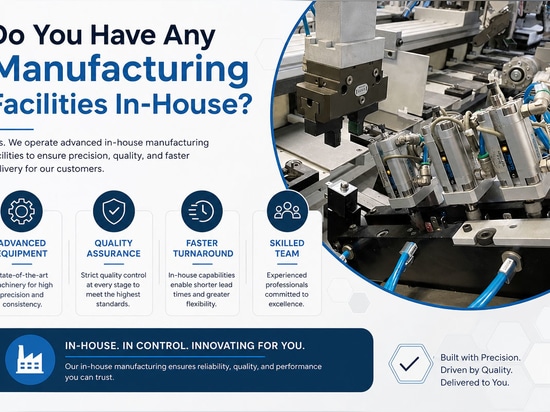
Chapter 3: Do You Have Any Manufacturing Facilities In-House?
The manufacturer of solenoids must have strong manufacturing capabilities.
Important manufacturing processes include:
Metal Stampings
Applications:
Production of magnetic frame
Production of housing parts
Production of pole plates
Production of mounting brackets
CNC Machining Service
Applications:
High Precision Shafts
Production of parts for plungers
Special Mechanical Parts
Coils Winding
The coil is the core of the solenoid. Ask your manufacturer:
How many automatic winding machines he has
Ability to regulate wire diameter
Layer winding techniques
Protection of insulation
Injection Molding
Applications:
Bobbins, connectors, plastic
Protection hoods
Assembly and Testing
The professional provider of solenoids should have:
Manufacturing lines
Force testing machines
Electrical testing systems
Lifetime cycle test machines
Chapter 4:. What Are Your Quality Control Standards?
Quality consistency is one of the most important factors in choosing a solenoid manufacturer.
Ask the manufacturer:
Are you ISO quality management system certified?
How do you control the incoming matter?
Which pre-shipment tests do you perform?
Do you have inspection reports?
Typical tests of solenoids:
ELECTRICAL TESTING
Resistance measurement
Voltage test
Insulation resistance
Voltage breakdown
Mechanical testing
Pulling force measurement
Force pushing measurement
Checking stroke
Testing of noise and reliability
Cycles life test
Testing of temperature rise
Long-term operation tests
The professional manufacturer of solenoids should have documented quality procedures, not just manual inspection.
Chapter 5:. What is your Minimum Order Quantity (MOQ) and Lead Time?
Before making an order you should know the production requirements of your supplier.
Questions:
What is MOQ?
What is the sample production time?
How long is the mass production?
Tooling costs?
Different projects may require different MOQ.
For example:
Standard products might have lower MOQ.
Tooling investment may be required for customized products.
Prototype development time may be required for new designs.
A good manufacturer will clearly state:
Sample cost
Tooling costs
Production plan
Transit time
Open communication will help you to avoid unexpected delays.
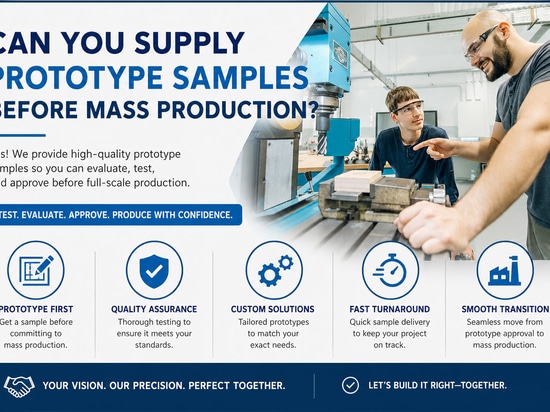
Chapter 6:. Can You Supply Prototype Samples Before Mass Production?
Prototype testing is a necessary step in custom solenoid projects.
Before mass production ask the manufacturer to supply samples for:
Mechanical testing
Electric verification
Application testing
In the process of sample evaluation check:
Pulling force
Gripping strength
Stroke distance
Response time
Temperature rise
Volume level
Energy consumption
Prototype validation will be very beneficial for professional manufacturer of solenoids as it will reduce the risks of production for both parties.
Chapter 7: How Do You Obtain the Performance of the Solenoid?
The performance of a solenoid depends on a lot of technical factors.
Asking your supplier, you will learn how he controls:
Magnetic properties
Selection of magnetic steel
Air gap control
Design of Plunger
Optimization of coil.
Heat performance
Temperature rise
Duty cycle
Heat dissipation design
Mechanical Behavior
Abrasion resistance
Spring life time
Alignment quality
Main parameters are:
Rated voltage.
Working current
Output force
Stroke length
Response time
Cycle lifetime
A reliable manufacturer should provide technical data in details, not only pricing information.
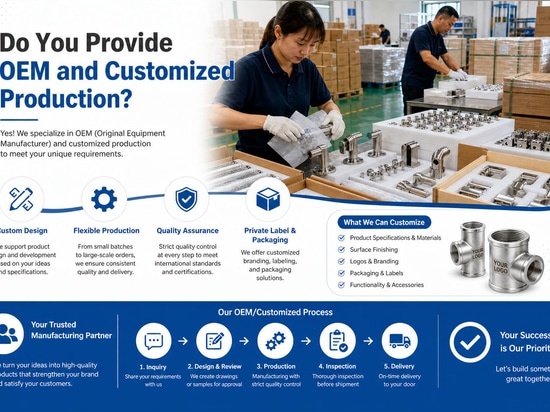
Chapter 8: Do You Provide OEM and Customized Production?
OEM capability is crucial for companies developing their products.
You should ask your supplier:
Custom dimensions
Specific voltage requirements
Custom connectors
Private label
Product packaging details
Product improvements
A good OEM solenoid manufacturer will be a technical partner for you, not only supplier of parts.
Examples of typical custom projects include:
solenoids for medical equipment
Actuators in automotives
Solenoids for printing machines
Industrial Automation Solenoid
Lock systems for Smart Devices.
Chapter 9:. Which Applications Are Your Solenoids Used For?
Application experience is one of the indicators of manufacturer capability.
Ask which industries they work in:
Industrial automation
Vehicle systems
Medical devices
Office Machines.
Security systems
Robotic
Consumer electronics
The supplier working with demanding industries usually has better engineering and quality systems.
For example, automotive and medical applications may require solenoids that are:
Very reliable
Well tested
Have long life-time
Have stable supply chain management
Chapter 10:. Which Type of After-Sales Support Do You Provide?
The relations with the solenoid manufacturer should not be limited by only one delivery.
Questions:
Who gives technical support?
How do we solve quality problems?
Is it possible to improve the design later on?
Would you like to see the growth of production in the future?
A reliable supplier should provide:
Quick communication
Engineering comments
Problem solving
Continuous Improvement
A professional manufacturer will help you to decrease the purchasing risks in the long-term cooperation.
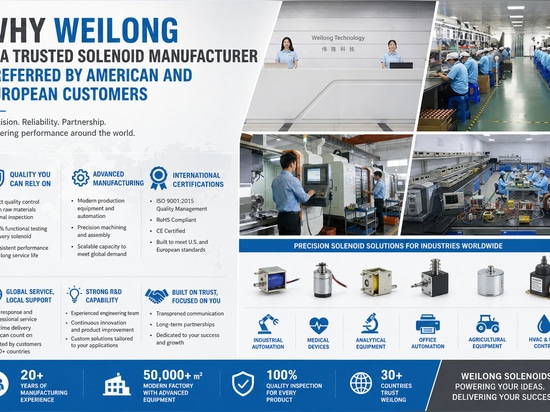
Chapter 11: Why Weilong Is a Trusted Solenoid Manufacturer Preferred by American and European Customers
When choosing a reliable solenoid manufacturer, American and European customers pay attention not only to the price of the product. They are interested in engineering capability, manufacturing reliability, quality control and stable supply. Weilong Intelligent Technology with more than 20 years of experience in manufacturing electromagnetic components is a reliable partner for global OEM customers in search of customized solenoid solutions.
11.1. More Than 20 Years of Experience in Solenoids Manufacturing
Experience is one of the key factors to be taken into account when choosing a custom solenoid supplier. Weilong has more than 20 years of experience in design, development and manufacture of solenoids.
During this period Weilong has helped many customers from various industries, including:
Industrial automation
Automotive implements
Medical devices
Printing presses
Intelligent lock systems
Office automation equipment.
Consumer and industrial products
The engineers of Weilong have huge application experience, which helps them not only to manufacture a solenoid but also to optimize the design according to the customer needs.
11.2. Full Manufacturing Capability In-House
One of the main advantages of American and European customers of Weilong is its manufacturing capability.
Unlike other manufacturers who outsource almost every process, Weilong is able to control all key manufacturing processes, including:
CNC Mill
Weilong has great CNC machining capability to manufacture high precision components including:
Plungers
Shafts Cores in metal
Custom machined parts
It results in high accuracy of dimensions, performance and rapid prototype development.
Metal Stamping
Weilong has full metal stamping capability to manufacture:
Magnetic frames.
Housing parts
[Brackets]
Precision metalworking
"Quality consistency and reduced supply chain risks are achieved due to the internal stamping."
Design of tooling for metal and plastic
Custom solenoids usually require special tooling. Weilong is capable of building:
Plastic injection molding tooling
Metal stamping dies.
The internal tooling capability provides fast product development, better cost control and more stable production.
11.3. Professional Testing Laboratory Inside
American and European OEM customers have very high quality and reliability requirements.
Weilong has an internal testing laboratory to perform solenoid performance testing:
Pull Force testing
Push force tests
Holding Force test
Voltage and current testing
Temperature rise testing
Long term cycles testing
Noise test
Any custom design will be tested and optimized with real test results before mass production.
This engineering approach allows customers to decrease development risks and to achieve consistent performance of the product.
11.4. Quality Management System Certifications
Weilong strictly controls the quality management procedures to satisfy the needs of international customers.
The company operates according to the following principles:
ISO 9001 Quality Management System
IATF 16949 Automotive Quality Management System
These certificates are indicative of Weilong's commitment to:
Process control
Continuous improvement
Management tracking
Consistent production
Customer satisfaction
For automotive and industrial customers quality certification is a proof that products are manufactured in controlled and reliable processes.
11.5. Long-Term Partner for Global OEM Customers
American and European customers choose Weilong not just as a component supplier. They want a manufacturing partner who will accompany them during the whole process of product development.
Weilong is able to provide total solenoid solutions from concept evaluation and prototyping, tooling development and mass production.
Weilong has strong engineering capability, manufacturing resources, professional testing equipment and decades of industry experience to help international customers to develop reliable and high-performance electromagnetic products.
Chapter 12 : Conclusion: Choose a Solenoid Manufacturer for Its Capability, Not Just Price
Choosing the right manufacturer of solenoids is not a simple task of comparison of prices.
The perfect supplier should have:
✔ Engineering capability ✔ Manufacturing repeatability ✔ Quality control procedures ✔ Design assistance ✔ Reliable supply capability ✔ Open communication lines
Asking these 10 questions before ordering will help you to learn if the supplier can meet your technical requirements and become your reliable long-term partner.
The professional manufacturer of customized solenoids does more than just manufacture solenoids – they provide engineering solutions that help customers to develop better products.
Choosing Weilong means that you choose the trusted custom solenoid manufacturer with the capability to help you with your next project.