#Product Trends
Traditional Vibratory Bowl vs. Flexible Feeder: Pros and Cons
vibratory bowl feeder, flexible feeder, flexible feeding system
Traditional vibratory bowls have been used for decades and feature a simple principle: continuous high-frequency vibration drives parts along circular steel rails, with optional sensors or reject stations added at the track. Because the rails must be custom-machined for every part geometry, they are neither universal nor reusable. They are therefore best suited to long-running, high-volume production of a single standardized component. With Industry 4.0 demanding ever-greater flexibility, faster product iterations and more customization, the flexible vibratory bowl was developed to meet these new requirements.
Traditional vibratory bowls have several inherent drawbacks:
Poor flexibility – each bowl is dedicated to one part; changing products means scrapping the old rails and machining new ones, which is time-consuming and costly.
Low stability – parts can jam or stall inside the fixed track.
Poor usability – secondary development, installation and debugging cycles are long and complex.
Risk of damage – sensitive or special parts (e.g., unsintered green compacts, plated electronic components) can be scratched or dented by the steel rails.
Limited compatibility – parts lacking orientation features or that are very small or oddly shaped often cannot be fed at all.
Environmental noise – continuous high-frequency vibration generates noise levels hazardous to operators.
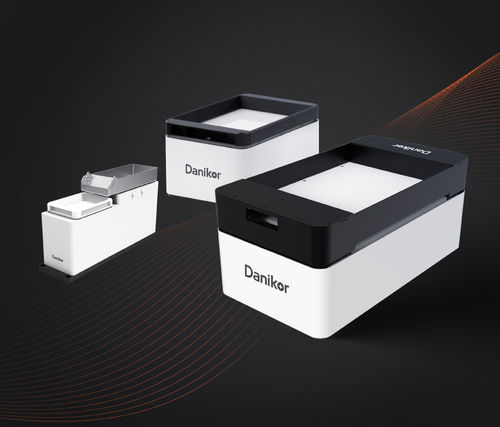
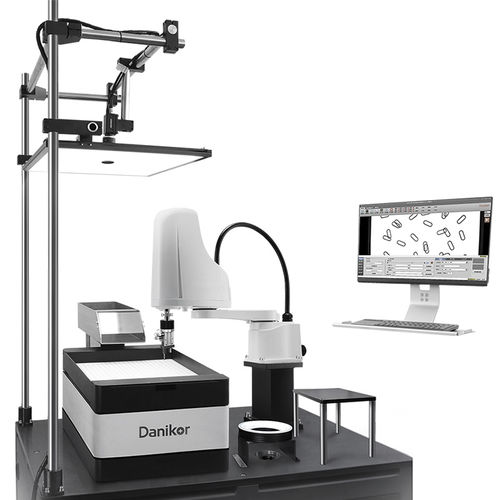
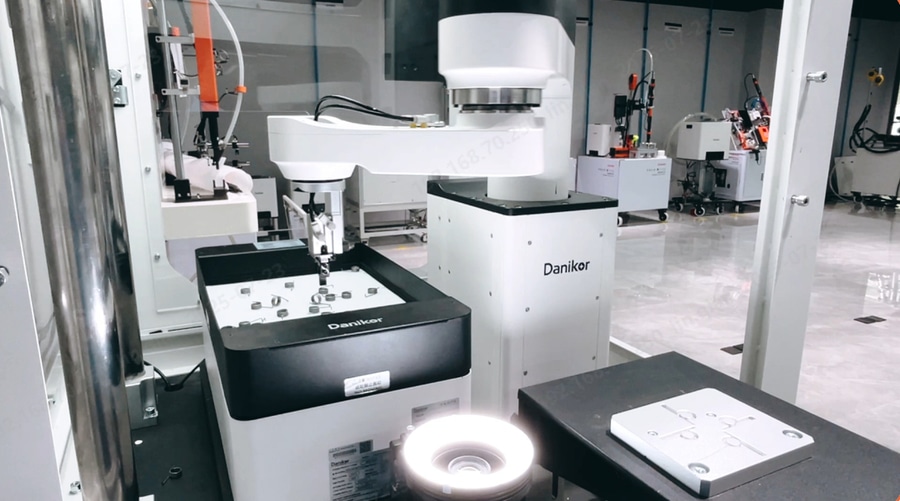
Flexible feeder overcome these limitations:
Universal adaptability – three-axis motion control allows parts to move, gather, separate or flip in any direction, accommodating a wide variety of sizes and shapes.
Intermittent vibration – reduces surface scratching and eliminates the risk of jamming.
User-friendly interface – graphical recipe setup lets operators switch products in minutes.
Rich peripheral ports – easily integrate with robots, vision systems and other automation devices.
Advanced lighting – built-in back-light plus external strobe outputs ensure optimal illumination for vision systems.