#Product Trends
Motorcycle Engine Assembly: Danikor Smart Electric Screwdriver's Efficient Solution
Motorcycle Engine Assembly Solution
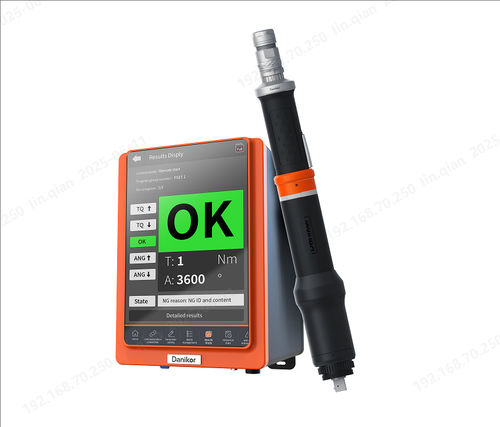
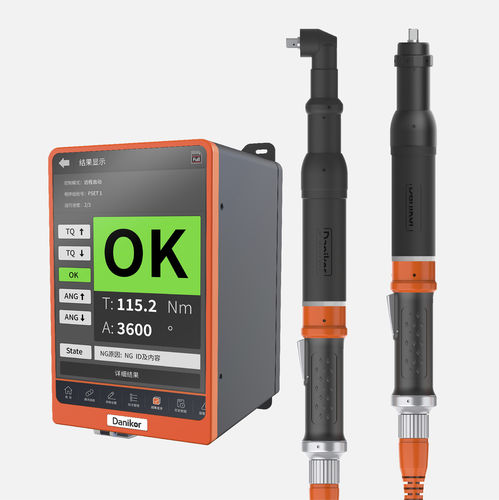
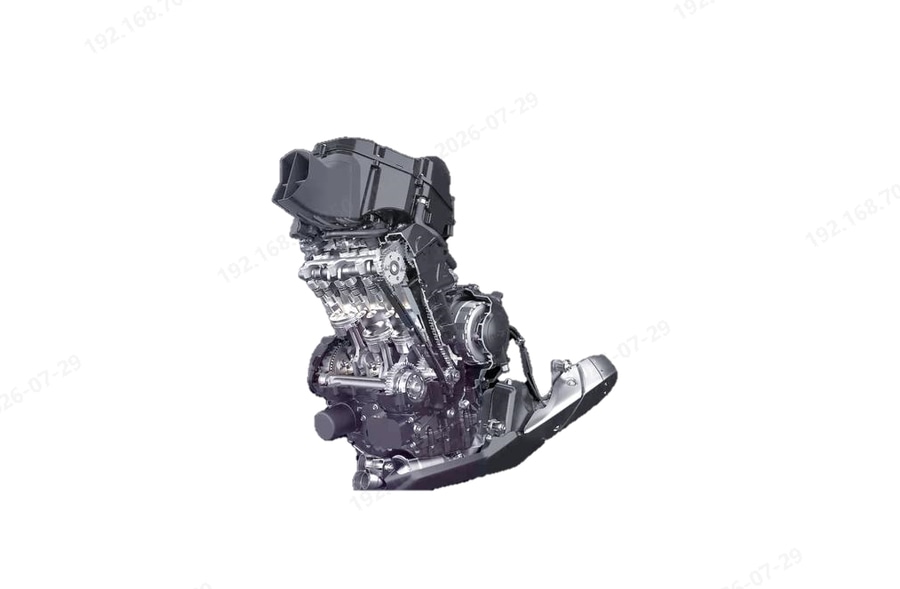
As a core link in the general machinery manufacturing field, the tightening process in motorcycle engine assembly directly determines the reliability and consistency of the product. However, traditional assembly methods face multiple challenges in actual production. Danikor's TTC Angle Head / TCP Pulse Sensor Tool, with its innovative pulse technology, provides an efficient, stable, and user-friendly new tightening solution for engine assembly scenarios.
I. Core Pain Points in Motorcycle Engine Assembly
At the tightening stations for motorcycle engines, traditional operating modes have long faced the following four major issues:
1. High Reaction Force, Heavy Work Burden
Traditional pneumatic or electric tightening tools generate a strong reaction force during the tightening process. Prolonged handheld operation by workers can easily cause arm strain. The high intensity of assembly line work and rapid fatigue accumulation directly impact operational efficiency and worker health.
2. Poor Adaptability to Confined Spaces, Restricted Operation
The internal structure of the engine is compact, and bolt points are often located in narrow or interference-prone areas. Standard tools cannot flexibly adjust their angle, often requiring additional reaction arms or manual assistance. This not only increases process complexity but can also lead to tightening deviations due to insufficient operating space.
3. Difficulty in Ensuring Tightening Consistency, Prominent Quality Risks
Workers rely on experience to control torque, leading to differences in tightening force between different batches and stations. This can easily result in loose connections due to insufficient torque, or housing deformation and thread stripping due to excessive torque, laying hidden dangers for engine oil leakage and abnormal vibration.
4. Constrained Production Line Takt Time, Difficult Efficiency Improvement
Traditional tools have low speeds and slow responses, and frequently require auxiliary operations with reaction arms. They cannot adapt to the needs of high-frequency, high-takt production lines, becoming a bottleneck for improving engine assembly capacity.
II. Core Advantages of Danikor Smart Electric Screwdriver
Addressing the above pain points, Danikor's TTC Angle Head / TCP Pulse Sensor Tool, centered around pulse technology, creates an efficient tightening solution tailored for motorcycle engine assembly:
1. Low Reaction Force Design, Significantly Reducing Operational Fatigue
Adopts an electric pulse drive design, fundamentally weakening the transmission of reaction force during tightening. Workers can operate stably without relying on reaction arm assistance. Even during long-term assembly line work, they can maintain a comfortable grip, reducing the risk of muscle strain.
The smooth torque output in pulse mode reduces rigid impact between the tool and the workpiece, while also lowering station noise and vibration, creating a more worker-friendly environment.
2. Flexible Adaptation to Complex Conditions, Easily Handling Confined Spaces
The TTC Angle Head tool features a compact, angled head structure, suitable for tightening points in the vertical direction within the engine or areas with assembly interference. It allows for flexible multi-angle tightening without the need to reposition the workpiece, significantly improving space utilization.
The ergonomic body design offers a high degree of grip comfort, allowing for precise bolt alignment even in narrow stations, avoiding tightening errors caused by restricted operation, and adapting to the layout needs of different workstations.
3. High-Precision Tightening, Ensuring Assembly Consistency
Achieves full-range torque accuracy of 6σ ±5%. The self-developed high-precision algorithm stably controls torque output, meeting ISO 5393 standard requirements for both hard and soft joint applications, preventing under-tightening or over-tightening.
Supports advanced tightening strategies such as clamp torque control, delay wait, and zero-speed hold. Exclusive process parameters can be set according to the different specifications of engine bolts. The tightening process for each bolt is traceable, ensuring the stability of assembly quality from a data perspective.
4. High Speed and High Efficiency, Boosting Production Line Takt Time
The TCP series is equipped with a high-speed motor, capable of increasing the CT (Cycle Time) by up to 100%, significantly reducing the tightening time per bolt. It meets the demands of high-takt production lines and effectively improves workstation operational efficiency.
The design requires no additional auxiliary tooling, reducing extra processes like tool changes or reaction arm installation. The tightening efficiency of a single station is significantly enhanced, assisting enterprises in optimizing production capacity.
III. The Upgrade Choice for General Machinery Assembly
Danikor's TTC Angle Head / TCP Pulse Sensor Tool, with its four core advantages of "Easy, Efficient, Flexible, and Stable," perfectly matches the assembly needs of motorcycle engines and the general machinery industry:
Easy Operation: The low reaction force design eliminates the heavy burden of traditional tools, making long-duration assembly line work easier.
Efficient Production: High speed combined with no reliance on reaction arms significantly improves station takt time, contributing to increased production capacity.
Flexible Adaptation: The angled head structure and compact body easily handle confined spaces and multi-angle tightening scenarios.
Stable Quality: High-precision torque control and traceable tightening data ensure assembly consistency for every engine.