
#Industry News
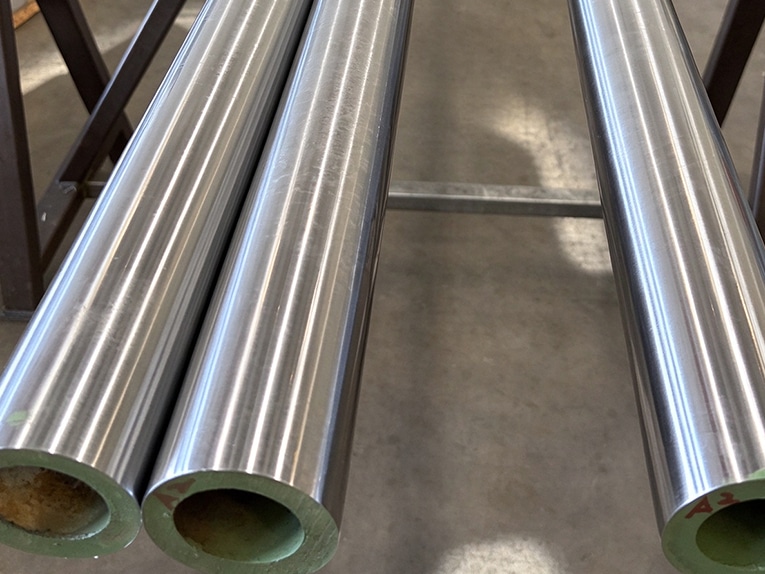
Chrome Rod h6 vs f7 Tolerance: How to Choose - EAST AI
Defaulting to h6 when f7 works costs 5-15% more for no engineering benefit. Here is how the two classes differ and which three application types actually require h6.
The Hidden 15% Premium: Are You Over-Specifying Your Chrome Rod OD Tolerance?
When a designer specifies a chrome plated rod, the default instinct is often to play it safe: "Specify h6. It's the tighter tolerance."
It feels like the right engineering choice. But in reality, this "safe" default is quietly draining your procurement budget.
h6 requires tighter grinding passes and higher process control, making it 5–15% more expensive than f7. For a manufacturer buying thousands of meters a year, that adds up to tens of thousands of dollars in unnecessary cost.
Why does this happen? Because most standard hydraulic lip seals and O-rings are perfectly capable of accommodating the f7 tolerance band without any loss in sealing performance. Unless you are using precision low-friction seals, external guide bushings, or have heavy side-loading, f7 will work just as well as h6—for less money.
What you are likely experiencing is "specification creep." A designer specified h6 for one demanding application years ago, and it was blindly copy-pasted across the entire product line.
There is a quick, 3-step review process you can do today to see if your current drawings can safely be switched to f7. But there are exactly three specific scenarios where you must keep h6.
Stop paying for tolerances you don't need. Read the full article to learn the 3-step review process and see if your product line is a victim of specification creep.