#Product Trends
AlN Substrate Blanks for DBC and DPC Manufacturing: Key Parameters That Affect Processing Yield
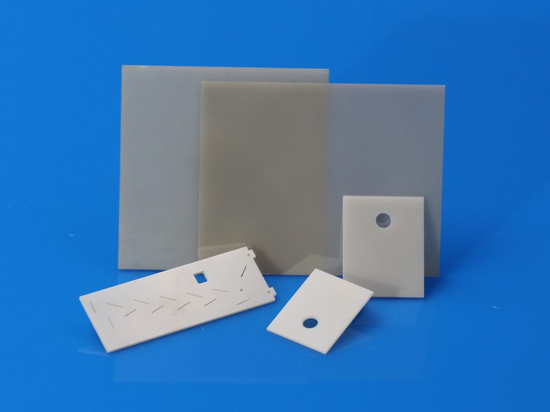
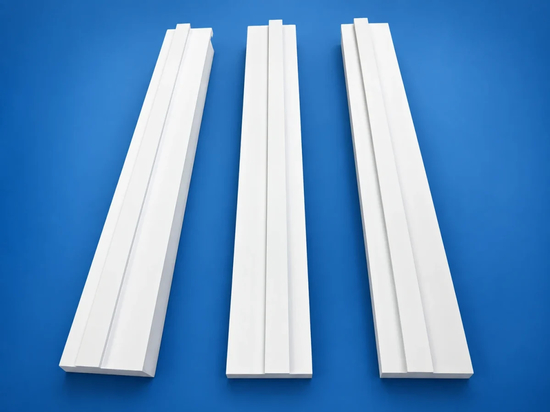
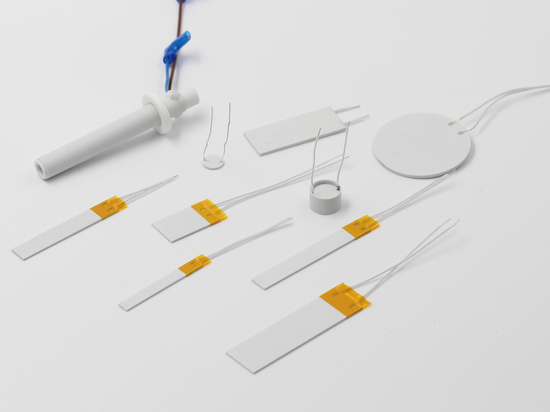
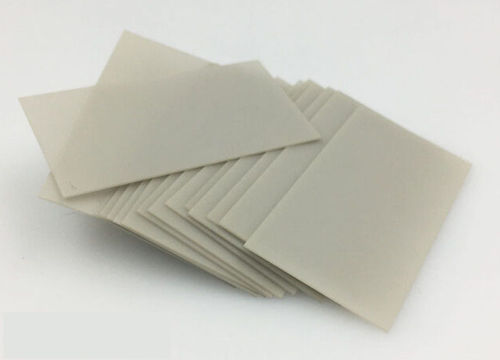
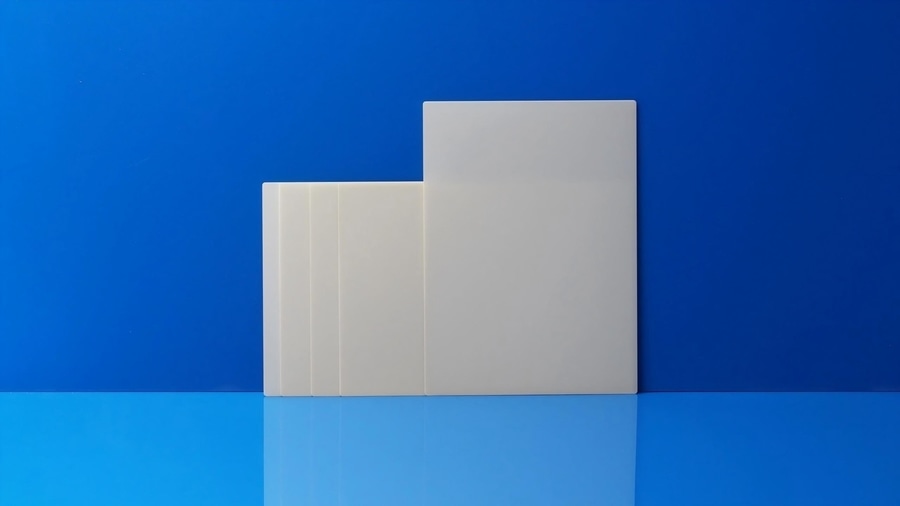
Aluminum Nitride Ceramic Substrates
With the advancement of SiC, GaN power devices and high-power electronic systems, ceramic metallization processes such as DBC (Direct Bonded Copper) and DPC (Direct Plated Copper) are placing higher demands on AlN substrates in terms of dimensional stability, flatness, surface condition, thermal conductivity, and batch consistency.
For DBC, DPC processing companies and power module packaging manufacturers, an often overlooked issue in production is that product processing yields may still fluctuate across different batches, even when subsequent metallization process parameters remain largely stable.
Such issues do not necessarily stem from the metallization process itself. When there are variations in thickness tolerance, flatness, surface quality, and internal defects of AlN substrate blanks—the base material for subsequent processing—these differences may be further amplified during metallization, patterning, and dicing, ultimately resulting in abnormal interface bonding, processing-induced cracking, dimensional deviations, or changes in process windows between batches.
Therefore, for DBC and DPC projects requiring long-term mass production, the procurement criteria for substrate blanks should not be limited to material grade and dimensional specifications alone; it is also essential to ensure that they can consistently meet subsequent process requirements regarding dimensions, surface quality, and uniformity.
1. Why should DBC and DPC manufacturing pay attention to AlN substrate blanks?
In actual production, AlN substrate blanks are not the final metallized products but rather the base materials for subsequent processing. The original condition of the substrate directly affects the processing window when it enters processes such as DBC and DPC.
For example:
• Insufficient flatness may affect vacuum adsorption, fixture alignment, and subsequent lamination quality;
• Large variations in thickness and TTV ( Total Thickness Variation ) may reduce consistency in product structural dimensions and thermal paths;
• Unstable surface roughness or cleanliness may increase the risk of anomalies during subsequent metal layer processing;
• Defects such as chipping and microcracks may further propagate during handling, metallization, or dicing.
Therefore, for continuous production projects, the buyer should focus not on whether a single sample meets specifications, but rather on whether the supplier can maintain consistent material quality across different batches.