#Product Trends
Analysis of Common Failure Modes of Hair Straightener Heating Elements
Why do hair straightener heating elements fail over time?
Hair straightener heating elements work through repeated heating and cooling during normal use. The heater may stay at high temperatures for long periods, and its ceramic body and connection parts can also be exposed to mechanical stress during assembly and operation. Over time, these conditions may affect the heating element in different ways. Thermal stress, electrical problems, mechanical damage and temperature control issues can all lead to heater failure. In some cases, several factors may occur together. The main failure modes include thermal cycle fatigue, overheating, electrical failure, mechanical damage, poor electrical connections and abnormal temperature control. A clear understanding of these problems can help manufacturers make better decisions about materials, heater structure and control systems.
I. Thermal Cycle Fatigue
1.1 Effects of Repeated Heating and Cooling The heating element changes temperature every time a hair straightener is used. It expands when heated and contracts as it cools. The ceramic substrate, heating circuit and metal parts may have different rates of thermal expansion. Repeated temperature changes can create stress between these materials. After many heating cycles, this stress may cause cracks, resistance changes or damage to the heating circuit. Severe damage can break the circuit and cause the heating element to stop working.
1.2 How to Reduce the Impact of Thermal Cycling Thermal expansion needs to be considered when choosing materials and designing the heater. The ceramic substrate, heating circuit and metal connection parts should remain stable as the temperature changes. Ceramic heating plates with good thermal stability and high-temperature resistance are suitable for applications that involve repeated heating and cooling.
II. Overheating
2.1 How Overheating Occurs Overheating can result from excessive power, uneven power distribution, high local power density or incorrect temperature feedback. A slow response from the control system can also make the problem worse. When a large amount of heat is generated in a small area, the local temperature can rise above the surrounding areas. This creates a hot spot and increases the temperature difference across the heating plate.
2.2 Problems Caused by Overheating High local temperatures can affect the heat distribution of the heating plate. They can also increase the thermal load on the heater and nearby components. The heater therefore needs to control the rate of temperature rise as well as the temperature across the working surface. A fast heat-up time alone does not mean the heating performance is good.
III. Electrical Failure
Electrical failure may occur when the straightener does not heat after power is applied, when the heating output becomes unstable or when the resistance changes during operation. The heating circuit and connection points are exposed to high temperatures and repeated thermal cycling. Long-term exposure can weaken these areas and affect electrical performance. If the circuit breaks, the heating element will no longer generate heat. The ceramic substrate also plays an electrical role. It supports the heating circuit, provides insulation and allows the heater to operate at high temperatures. The ceramic material, heating pattern and connection structure should be considered together when designing the heating element.
IV. Mechanical Damage
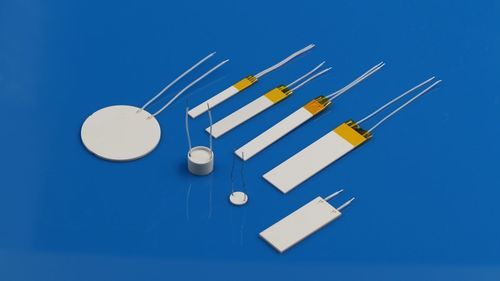
4.1 Common Mechanical Damage Ceramic heating plates may experience external forces during production, assembly, transportation and use. Impact, compression and pulling on the leads can damage the heating plate. Possible results include cracks, chipped edges, delamination and broken leads. Even minor mechanical damage can affect the electrical performance of the heater and change the way heat is transferred.
4.2 Importance of Structural Design A ceramic heating plate needs proper mechanical support even when the ceramic material has good thermal properties. The mounting method, support points, bonding method and lead position should match the product structure. Proper support reduces mechanical stress on the ceramic plate during assembly and operation.
V. Poor Electrical Connections
A heating element may work normally while its connection points cause problems. These areas carry current and are also exposed to heat and repeated temperature changes. Common connection problems include: Increased contact resistance Local heat around the connection Unstable power output Oxidation Loose connections The joining process and connection materials can affect connection reliability. Long-term high-temperature operation and repeated thermal cycling can also weaken the connection over time. The leads and connection areas should be designed for the expected operating temperature and service conditions. The joining method also needs to provide stable electrical contact throughout operation.
VI. Abnormal Temperature Control
The temperature control system affects how the heating element responds during use. Problems with the sensor, control settings or heater response can result in overshoot, temperature fluctuation or slow heat recovery.
6.1 Temperature Overshoot Temperature overshoot happens when the heating element continues to add heat after the heating plate has reached the set temperature. This may occur when the heating power is too high or when the control system reacts too slowly. The actual temperature can then rise above the set value.
6.2 Temperature Fluctuation The heating plate loses heat when it contacts the hair. The heating element needs to supply additional heat to replace this loss. If the control system responds slowly, the plate temperature may fall below the required level. If the heater then supplies too much power, the temperature may rise again. Repeated changes of this type can cause temperature fluctuation. The heating element, temperature sensor and controller need to work with the same thermal response. This helps the plate maintain the required temperature and recover heat during styling.