#Product Trends
How Alumina Ceramic Dielectric Substrates Improve Reliability in Semiconductor Plasma Equipment
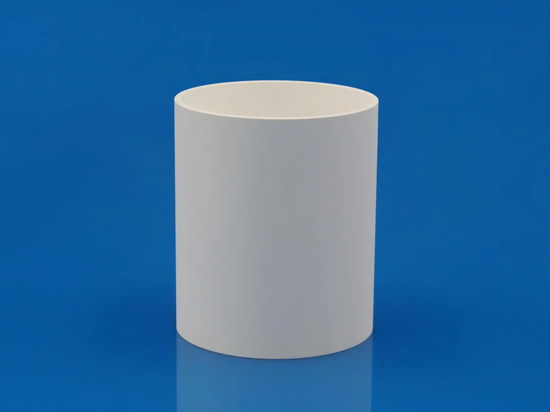
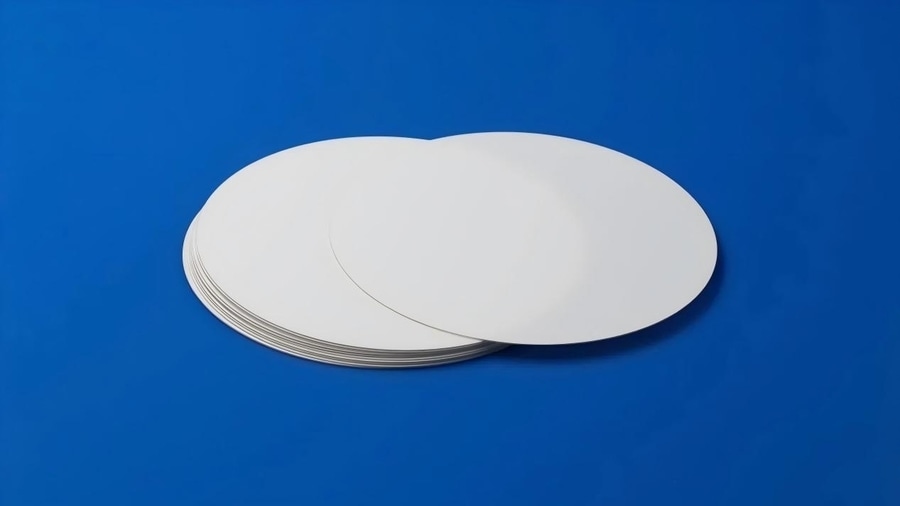
High Purity Alumina Ceramic Wafer
As semiconductor manufacturing processes develop toward higher precision and integration, equipment used for etching, thin-film deposition, plasma cleaning and other procedures is subject to rising demands for long-term stable operation.
Ceramic dielectric components installed in semiconductor plasma equipment work continuously in vacuum, high-temperature, high-frequency RF electric field and reactive plasma environments, and must meet multiple criteria simultaneously: electrical insulation performance, structural stability, corrosion resistance and accurate assembly.
While substrate materials do not take part in wafer processing directly, their material properties, machining precision and batch consistency will impact internal electric field distribution, plasma stability and chamber pollution control.
Thus, high-reliability alumina ceramic dielectric substrates are indispensable basic insulating components for semiconductor etching, deposition and vacuum equipment.
I. What challenges do dielectric substrates face in semiconductor plasma equipment?
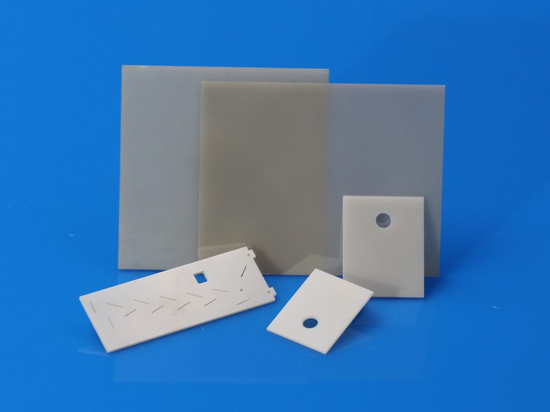
In etching, CVD, and PVD equipment, aluminum oxide ceramic dielectric substrates are commonly used in RF insulation structures, electrode isolation components, and vacuum chamber support parts.
Due to the complex working environment, the substrate must withstand prolonged exposure to combined electrical, thermal, and chemical conditions.
Therefore, alumina ceramic dielectric substrates for semiconductor equipment must not only meet basic material performance requirements, but also require attention to dimensional control, surface quality, and batch consistency.
II. Why Alumina Ceramic Is Suitable for Plasma Equipment Dielectric Materials
Alumina ceramic (Al2O3) is a highly mature engineering ceramic material widely adopted in semiconductor equipment. It features balanced and comprehensive performance rather than outstanding single indicators, delivering excellent integration of electrical insulation, mechanical strength, thermal stability and processing consistency.
1. Stable electrical insulation performance
Plasma equipment generates and regulates plasma via RF power supplies, so dielectric materials must sustain stable insulating performance over the long term to avoid malfunctions stemming from fluctuating electrical characteristics.
Alumina ceramics boast high volume resistivity and consistent dielectric properties, ideal for insulation and supporting structures within RF assemblies.
2. Excellent high-temperature dimensional stability
Semiconductor equipment chambers are subjected to prolonged high-temperature operating conditions, along with frequent start-ups and shutdowns that cause temperature fluctuations.
Alumina ceramics possess high mechanical strength and excellent thermal stability, reducing the risk of deformation and cracking during prolonged thermal cycling.
3. Resistance to plasma environment
In plasma environments based on fluorine, oxygen, and similar elements, equipment materials are subject to continuous erosion.
High-density alumina ceramics can reduce surface wear of the material and enhance long-term chamber operational stability by minimizing impurity release through controlled purity levels and processing quality.