#Product Trends
Why Use Metallized Alumina Ceramic Bases for High-Reliability SMD Fuse Packaging?
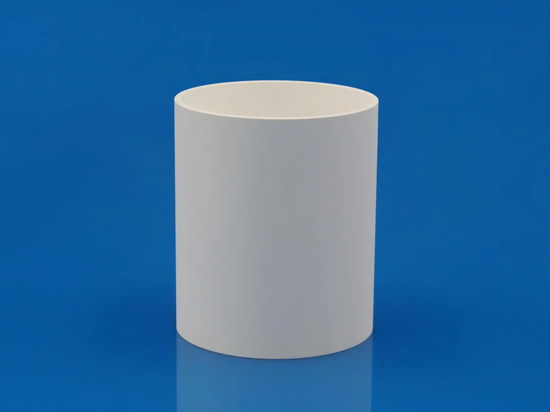
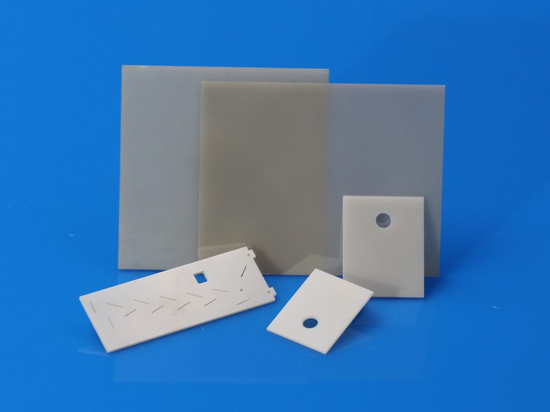
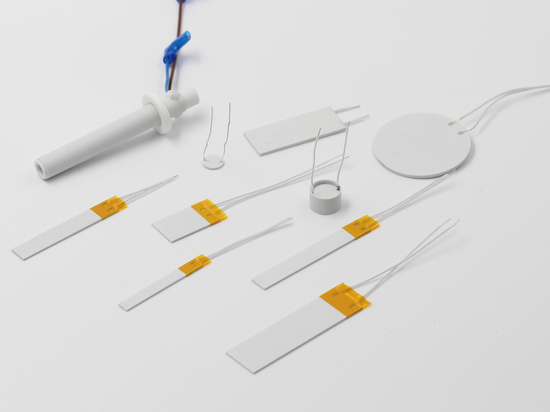
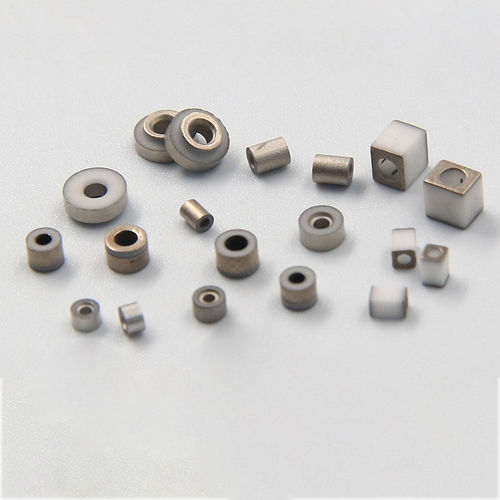
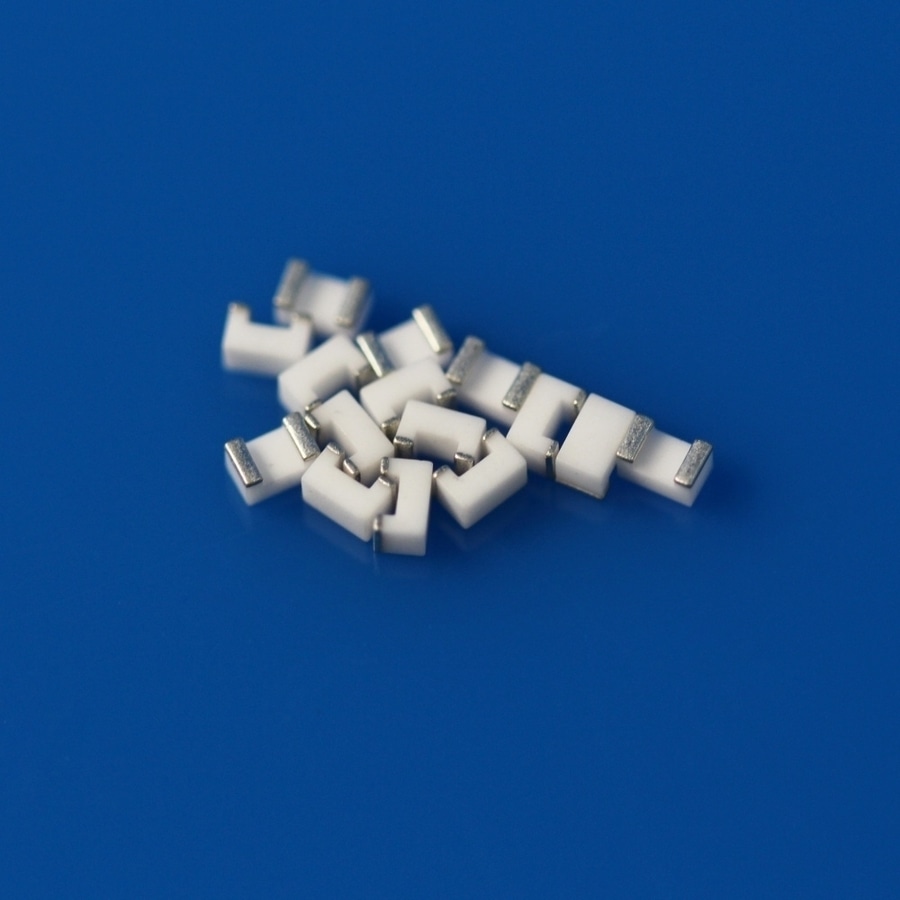
Alumina Metallized Ceramic Base
As consumer electronics, automotive electronics, new energy systems, and communication equipment continue to evolve toward miniaturization, higher power density, and greater reliability, electronic components must operate stably under increasingly compact PCB spaces, elevated operating temperatures, and automated surface-mount assembly processes.
Surface-mounted fuses (SMD fuses) are common overcurrent protection devices in electronic circuits. When a circuit experiences abnormal overload or short-circuit conditions, the fusible element within the fuse melts and opens the circuit, thereby reducing the risk of damage to downstream circuits and critical electronic components caused by excessive current.
For SMD fuses utilizing independent ceramic bases or ceramic carrier structures, in addition to the fusible element itself, the ceramic base—which supports the fuse wire, provides electrical insulation, and enables electrode connections—also significantly impacts the device’s manufacturing consistency and long-term reliability.
Alumina ceramics, with their excellent electrical insulation, thermal resistance, mechanical strength, and dimensional stability, combined with mature metallization techniques, have become valuable substrate materials for such electronic protection devices. So why is metallized alumina ceramic suitable for SMD fuse packaging? What are the key structural and process requirements involved?