
#Product Trends
Flow Sensor Showdown: Why Total Cost of Ownership Outweighs Initial Price
Zero Pressure Drop, 15% Lower TCO, and Maintenance-Free Operation – The Ultrasonic Advantage in Liquid Cooling
When evaluating flow sensors for mission-critical applications like liquid cooling, procurement teams often focus on initial price or headline accuracy. But the real cost driver isn't the purchase order—it's the operating expense over the system's lifespan.
The hidden cost of pressure drop
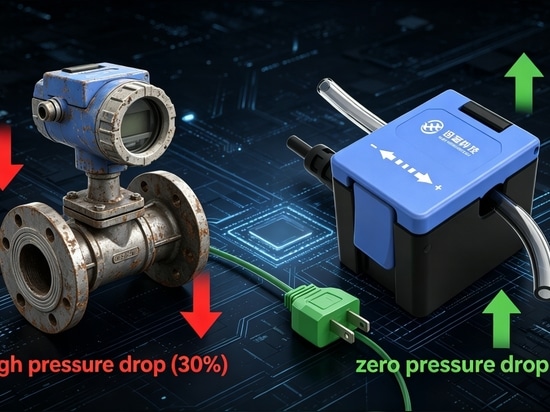
Traditional technologies carry a heavy hidden tax. Coriolis meters offer ±0.2% accuracy but introduce 15% to 30% pressure drop and cost 3–5 times more than ultrasonic alternatives. Turbine meters cause 5% to 15% pressure drop and suffer ≥5% annual drift due to blade wear. Electromagnetic meters are limited to conductive fluids, ruling out immersion cooling with fluorinated or mineral oils.
Ultrasonic’s TCO advantage
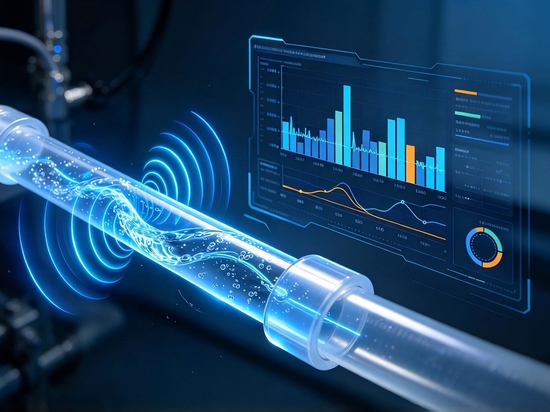
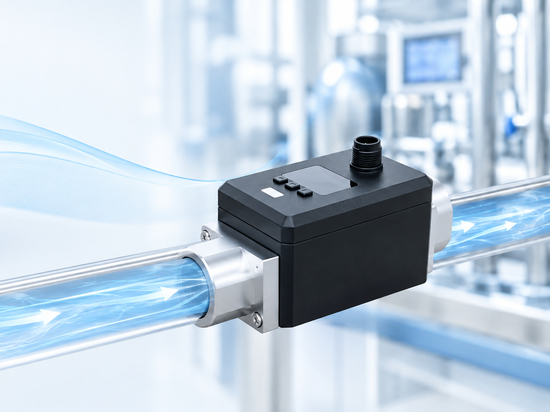
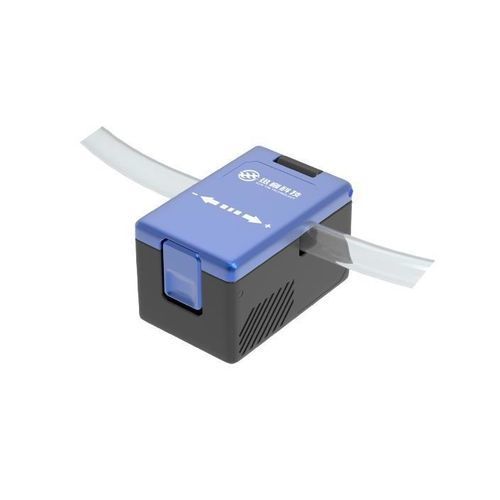
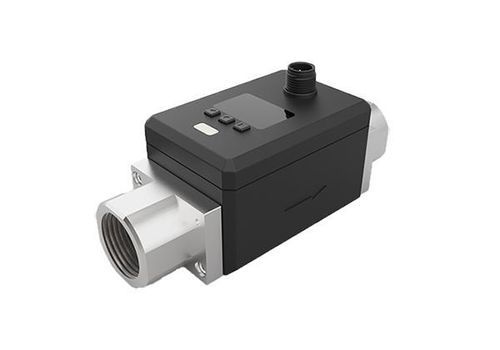
XY-TEK ultrasonic flow sensors deliver zero pressure drop, reducing PUE by approximately 0.02 to 0.05 and achieving 8% to 15% annual power savings compared to turbine meters. Their non-invasive design eliminates leakage risk and requires no periodic calibration or moving-part replacement. For installations, the clamp-on option saves ~30% on installation costs by eliminating pipe cutting.
Application breadth matters
XY-TEK sensors work with both conductive and non-conductive liquids across a pipe range of DN6 to DN6000. They are suitable for all liquid cooling scenarios—immersion cooling, cold plates, CDUs, energy storage, and superchargers—as well as dirty or low-flow media. This versatility avoids the need for multiple sensor types in a facility.
The decision framework
When comparing technologies, project the TCO over five to ten years: factor in energy costs, maintenance labor, downtime, and replacement cycles. XY-TEK’s medium-low initial cost combined with lifetime maintenance-free operation and zero pressure drop often results in 15% lower total cost versus turbine, and significantly lower cost versus Coriolis for most liquid cooling applications.
A thought to close
The best flow sensor isn't always the one with the highest accuracy on paper—it's the one that delivers reliable, low-cost operation year after year. Procurement decisions that widen the lens from unit price to system-level economics reveal where true value lies.