
#Product Trends
Beyond the Spec Sheet: Evaluating Flow Sensor Partners by Capability, Not Just Specs
From liquid cooling to battery manufacturing, evaluate the actual performance of suppliers through real-life cases
The ultrasonic flow meter market is projected to grow from USD 1.52 billion in 2025 to USD 2.28 billion by 2031 (Mordor Intelligence). As demand surges across fields such as liquid cooling and battery manufacturing, buyers face a crowded field of suppliers. The question is no longer just about accuracy or price—it is about which partner can deliver reliable performance in real-world applications.
The Evaluation Gap
Most procurement teams benchmark specifications: accuracy, range, output type. But in emerging applications—like non-conductive coolant monitoring in data centers or electrolyte injection in lithium-ion battery lines—real-world performance diverges from the datasheet. A supplier's ability to adapt to corrosive media, detect bubbles without contamination, or integrate seamlessly into an existing control system often matters more than a ±0.1% accuracy advantage.
What Proven Capability Looks Like
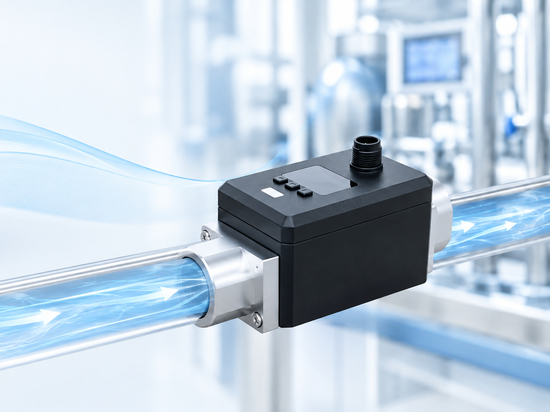
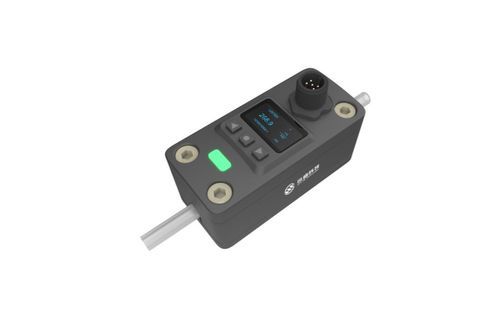
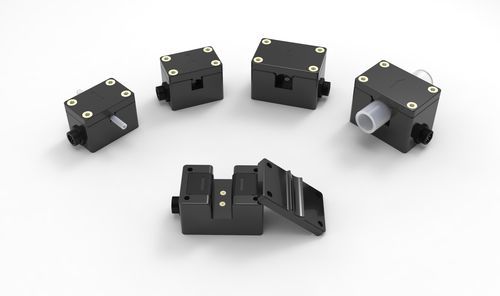
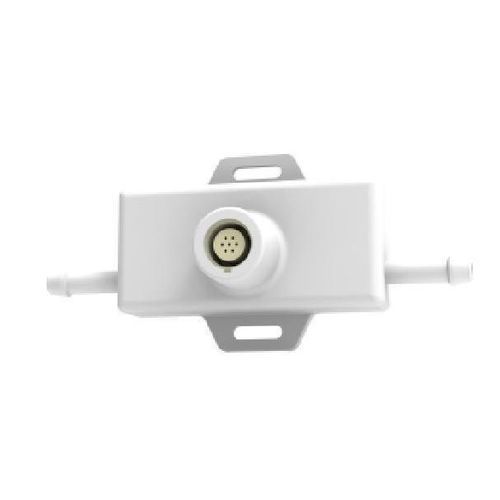
XY-TEK has deployed clamp-on and in-line ultrasonic flow sensors in multiple demanding environments:
- Liquid cooling systems across the US, China, Germany, Japan, and Korea: non-invasive coolant monitoring, leak/blockage detection, and bidirectional flow measurement. The result was stable cooling performance, reduced energy consumption, and extended equipment life over 2–4 years of service.
- Lithium-ion battery manufacturing in 10–30 production lines globally: non-contact electrolyte flow monitoring without pipe cutting, high compatibility with corrosive media, and early bubble detection. Customers achieved improved battery consistency and lower rejection rates over 2–3 years of stable operation.
- Electronics manufacturing (SMT/EMS, wave soldering): real-time control of pulsed micro-flux flow down to 1 mL/min with ±1% accuracy. The outcome was higher soldering yield, reduced flux waste, and less rework.
These are not isolated wins—they represent repeatable engineering maturity. When a supplier holds multiple invention patents (including one granted June 2025 by CNIPA for liquid flow sensing technology) and offers customization options (communication protocol, housing material, sensor size, interface), the threshold for trust is significantly higher.
The Trend That Matters
Asia Pacific already commands 38.6% of the ultrasonic flow meter market (Fortune Business Insights), and the clamp-on segment alone is growing at 7.4% CAGR. Suppliers who combine regional manufacturing scale with proven cross-industry applications are better equipped to support long-term OEM partnerships and reduce total cost of ownership.
A Practical Lens for Evaluation
When you receive a sample or visit a factory, look beyond the PDF. Ask:
- Can the supplier show you a reference case in your exact fluid type (corrosive, non-conductive, high-purity)?
- How quickly can they adapt the sensor's output protocol to your PLC?
- What patent protection backs the measurement principle?
- What is their MOQ and lead time for a customized version? (XY-TEK: MOQ 50 units, lead time 1–2 months, 100% pre-shipment testing)
The best specification sheet is a track record in similar conditions. Selecting a flow sensor supplier is a strategic decision that impacts yield, uptime, and long-term maintenance cost. The suppliers that invest in application-specific engineering and hold verifiable intellectual property are the ones most likely to deliver consistent results beyond the first shipment.