


#Product Trends
GH4169 Superalloy: Key Properties, Applications, and Why Prices May Rise
Why GH4169 Superalloy Prices May Rise
1. What Makes GH4169 a High-Performance Alloy?
GH4169 is a nickel-based superalloy strengthened primarily through precipitation hardening. Its alloying elements, including chromium, niobium, molybdenum, and others, contribute to its mechanical properties and environmental resistance.
One of its key strengthening mechanisms involves the precipitation of the γ″ phase, which helps improve strength after appropriate heat treatment.
Compared with conventional structural metals, GH4169 offers several important advantages:
High strength: Suitable for components subjected to substantial mechanical loads.
Fatigue resistance: Valuable in applications involving repeated loading, vibration, or rotating machinery.
Corrosion and oxidation resistance: Useful in many demanding service environments, depending on exposure conditions.
Broad temperature capability: Offers a useful combination of properties across a range of low- and elevated-temperature applications.
Established manufacturing processes: Supported by mature practices for melting, forging, heat treatment, machining, and quality inspection.
These properties make GH4169 particularly suitable for critical components where material performance and reliability are more important than initial material cost alone.
2. Where Is GH4169 Used?
The alloy’s performance characteristics explain its importance across several industrial sectors.
Aerospace and aviation
GH4169 is used in selected aircraft engine and aerospace components, including certain discs, rings, shafts, fasteners, and structural parts. Its strength and fatigue performance make it suitable for components exposed to demanding mechanical and thermal conditions.
Energy and power generation
Selected energy equipment components require high strength, reliable performance, and resistance to demanding operating environments. GH4169 can be used in applications where its properties meet the relevant design and service requirements.
Oil, gas, and chemical processing
Certain valves, fasteners, and load-bearing components may benefit from GH4169’s mechanical properties and environmental resistance. Suitability must be verified against the actual operating medium, temperature, pressure, and applicable corrosion requirements.
Precision engineering
GH4169 is also used in specialized mechanical components and high-performance fasteners. In these applications, manufacturing consistency, dimensional accuracy, heat treatment, and traceability are important considerations.
As these industries demand increasingly reliable materials, the need for qualified GH4169 products may provide support for market demand.
3. Why Might GH4169 Prices Increase?
GH4169’s price is influenced by more than its technical performance. Several interconnected factors can affect its market value.
3.1 Growing demand from high-end manufacturing
Aerospace, advanced propulsion, and energy equipment rely on materials that meet strict performance and quality requirements. Changes in production volumes, new projects, and equipment replacement cycles can increase demand for qualified superalloys.
However, stronger industry demand does not automatically mean that every GH4169 product will experience a price increase.
3.2 Rising alloying-material costs
Nickel is a major constituent of GH4169, while niobium plays an important role in its strengthening mechanism. Changes in the prices of these and other alloying materials can influence production costs.
The effect on finished-product prices depends on purchasing contracts, inventory levels, processing costs, and market competition. Raw-material price increases therefore do not translate into a fixed percentage increase in GH4169 prices.
3.3 Manufacturing complexity and quality requirements
High-quality GH4169 products may require controlled melting, forging, heat treatment, and inspection processes. Depending on the application, additional requirements for material cleanliness, mechanical properties, and traceability can increase production costs.
Products intended for demanding aerospace or other critical applications may therefore command different prices from products made to less stringent specifications.
3.4 Supply constraints for specific products
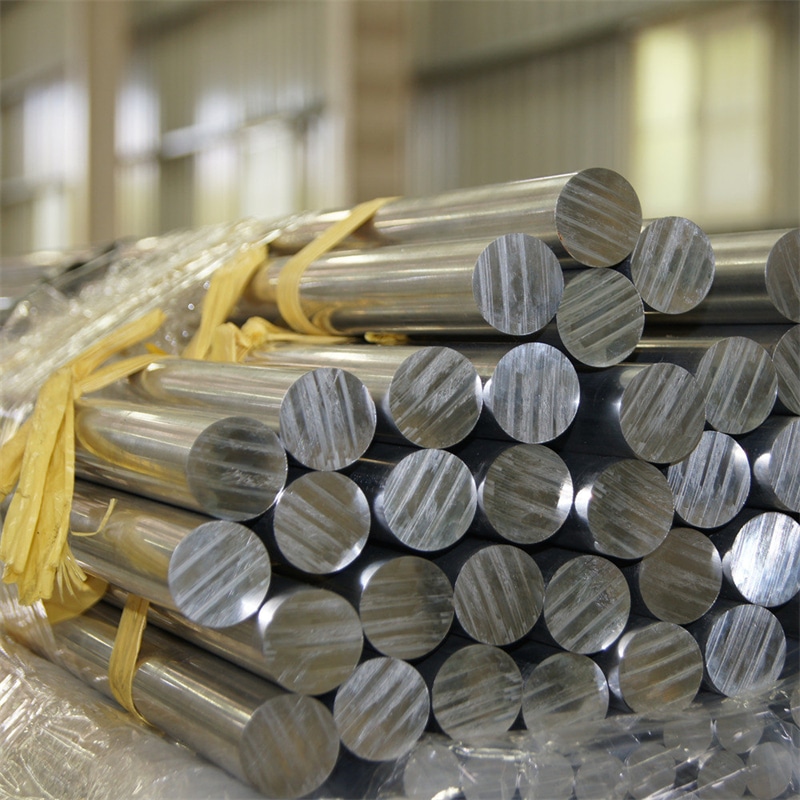
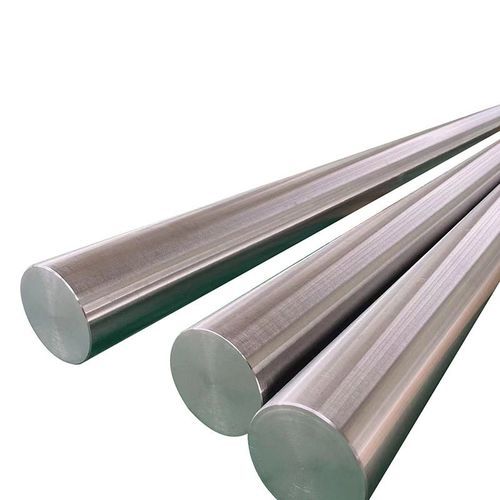
GH4169 is not a single, uniform commodity. Bars, plates, forgings, and precision-machined components differ in production requirements, availability, and delivery times.
If demand for a particular specification exceeds the supply available from qualified manufacturers, prices for that product may rise. Conversely, sufficient inventory or weaker purchasing activity may limit price increases.
The key distinction is that rising demand, higher production costs, and limited supply can support price increases, but none alone proves that the entire GH4169 market is experiencing a sustained upward trend. Reliable assessment requires comparable quotations, transaction data, and clear product specifications.
4. What Should Buyers Consider When Purchasing GH4169?
For manufacturers and procurement teams, selecting the right material requires more than comparing prices.
Confirm the specification: Verify the required product form, dimensions, chemical composition, heat treatment condition, and applicable standard.
Check material documentation: Review material test certificates and any required inspection or traceability records.
Evaluate supplier capability: Consider production consistency, quality controls, inspection capabilities, and delivery reliability.
Compare equivalent products: Ensure quotations refer to the same specification, quality requirements, dimensions, and delivery conditions.
GH4169 is often associated with the US alloy designation Inconel 718, but the two should not be treated as automatically interchangeable. Applicable standards and technical requirements must be checked before substitution.
Conclusion
GH4169’s importance comes from the combination of high strength, fatigue performance, environmental resistance, and established manufacturing technology. These characteristics support its use in selected aerospace, energy, oil and gas, and precision engineering applications.
Growing demand from high-end manufacturing, changes in alloying-material costs, demanding production processes, and supply constraints for specific specifications may all contribute to higher prices.
Nevertheless, long-term material demand and short-term price movements are different issues. Buyers should evaluate actual market data alongside technical specifications, quality documentation, and supplier reliability to make informed purchasing decisions.
 鄂公网安备42018502009509号