


#Industry News
Beyond the Metal: How the Right Alloy and Custom Processing Shape Industrial Performance
When industrial equipment operates under extreme temperatures, high pressure, corrosive environments, or continuous mechanical stress, the choice of material becomes far more than a purchasing decision. It directly affects equipment performance, oper
1. Why Material Selection Matters More Than Ever
Industrial components rarely operate under ideal conditions. Heat exchangers face elevated temperatures and corrosive fluids. Oil and gas equipment encounters pressure fluctuations and aggressive environments. Power generation systems require materials capable of maintaining mechanical stability during long operating cycles.
Using an unsuitable material can lead to premature corrosion, deformation, cracking, or unexpected maintenance expenses.
This is why manufacturers increasingly consider high-performance alloys and specialty metals when designing critical equipment.
Different materials offer different advantages:
Nickel-Based Alloys: Known for their excellent resistance to high temperatures, oxidation, and corrosion.
Cobalt-Based Alloys: Valued for wear resistance, thermal stability, and performance in demanding environments.
Precision Alloys: Designed for controlled magnetic, elastic, and dimensional properties.
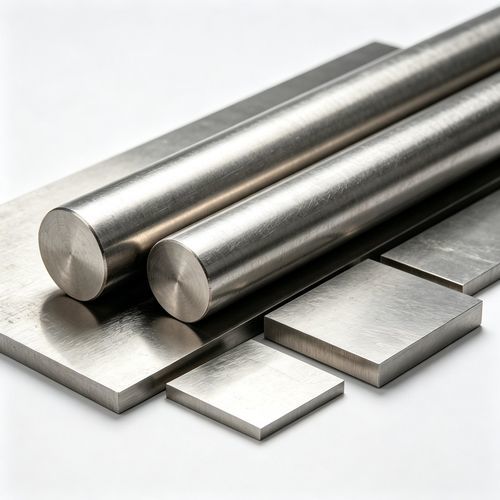
Stainless Steel: Offers a practical combination of corrosion resistance, strength, and versatility.
Titanium Alloys: Provide an attractive strength-to-weight ratio and excellent corrosion resistance.
Copper and Aluminum Alloys: Widely used where electrical conductivity, thermal conductivity, or lightweight construction is important.
The key is not simply choosing the strongest or most expensive material. It is identifying the alloy whose properties best match the actual operating conditions.
2. Five Material Categories Supporting Different Industrial Needs
A comprehensive metal supply portfolio gives manufacturers greater flexibility when sourcing materials for different projects.
Nickel Alloys: Performance Under Heat and Corrosion
Nickel-based alloys are widely used in environments where conventional materials may experience accelerated degradation.
Popular alloy families include:
Inconel Alloys
Hastelloy Alloys
Monel Alloys
Incoloy Alloys
Nickel-Chromium Alloys
Nickel-Based High-Temperature Alloys
These materials are commonly considered for chemical processing equipment, heat exchangers, refinery components, power generation systems, and other demanding industrial applications.
The appropriate grade depends on operating temperature, chemical exposure, mechanical loading, and relevant industry specifications.
Ferrous Metals: Essential Materials for Industrial Manufacturing
Ferrous metals remain fundamental to modern engineering and manufacturing.
This category includes:
Carbon Steel
Alloy Steel
Stainless Steel
Each material serves different purposes. Carbon steel is widely used in structural and general engineering applications, while alloy steel can provide enhanced mechanical properties. Stainless steel is frequently selected for applications requiring corrosion resistance and durability.
Choosing the right grade and specification helps balance performance, manufacturability, and overall project cost.
Precision Alloys: When Material Stability Matters
Not every industrial application requires exceptional heat or corrosion resistance. Some require highly controlled physical properties.
Precision alloys are developed for specialized performance requirements, including magnetic behavior and elastic stability.
Two important categories include:
Soft Magnetic Alloys
Constant Modulus Alloys
These materials are relevant to precision instruments, electrical components, magnetic systems, and specialized industrial equipment.
For manufacturers, material consistency and accurate specifications are particularly important when working with precision alloy products.
Cobalt-Based Alloys: Designed for Demanding Operating Conditions
Cobalt-based alloys are valued for their resistance to wear, oxidation, and elevated temperatures.
Depending on the grade and application, they may be used in industrial machinery, high-temperature components, valves, and other parts exposed to demanding service conditions.
Their combination of mechanical durability and thermal performance makes them an important category within high-performance alloy materials.
Non-Ferrous Base Metals: Conductivity, Lightweight Design, and Versatility
Non-ferrous metals offer properties that are essential across modern industrial sectors.
Common materials include:
Copper
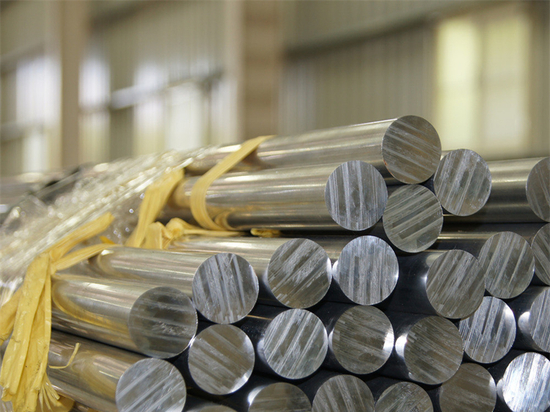
Aluminum Alloys
Titanium Alloys
Copper is widely used for its electrical and thermal conductivity. Aluminum alloys are attractive for lightweight structures and industrial components. Titanium alloys offer a combination of high strength, relatively low density, and corrosion resistance.
Together, these materials support applications ranging from electrical engineering to transportation and advanced manufacturing.
3. Why Customized Metal Processing Is Becoming a Competitive Advantage
Selecting the correct alloy does not automatically guarantee a successful manufacturing outcome.
Materials must also be supplied in suitable dimensions, thicknesses, shapes, and surface conditions. In many projects, standard stock sizes cannot fully satisfy engineering requirements.
This is where custom metal processing becomes valuable.
Depending on material specifications and project requirements, processing services may include:
Precision Cutting
Laser Cutting
Waterjet Cutting
Plasma Cutting
Heat Treatment
Polishing
Straightening
Chamfering
Customized processing can help manufacturers reduce unnecessary machining operations, improve material utilization, simplify production planning, and achieve more consistent component dimensions.
For OEM manufacturers and industrial equipment producers, the ability to source materials and processing services through one coordinated supplier can also reduce communication and procurement complexity.
A reliable metal partner should therefore understand more than material grades. It should also understand how materials are selected, processed, inspected, and prepared for their intended applications.
4. Quality Assurance: What Should Industrial Buyers Look For?
For specialty metals and high-performance alloys, material quality cannot be judged by appearance alone.
Chemical composition, mechanical properties, internal structure, and dimensional accuracy all influence how a material performs in service.
A comprehensive quality inspection process may include the following stages:
1. Smelting and Refining
Processes such as electroslag refining can help reduce impurities and improve material cleanliness.
2. Chemical Composition Analysis
Spectrometer testing verifies whether the material's chemical composition meets applicable standards and customer specifications.
3. Mechanical Property Testing
Tensile strength, yield strength, and elongation are evaluated to understand the material's mechanical performance.
4. Metallographic Analysis
Microscopic examination helps assess internal microstructure, material uniformity, and potential structural issues.
5. Ultrasonic Testing
Ultrasonic inspection can identify certain internal defects that may not be visible through ordinary surface examination.
6. Final Inspection
Dimensions, appearance, identification, and other specified requirements are checked before shipment.
For international buyers, compliance with applicable ASTM, ASME, DIN, and JIS specifications is also an important consideration.
Third-party inspection support can provide additional confidence when required by the purchasing contract.
Ultimately, effective quality assurance is not a single inspection at the end of production. It is a process that connects manufacturing control, technical verification, and final delivery.
5. From Material Sourcing to Global Delivery: The Value of One-Stop Procurement
For international industrial buyers, sourcing metal materials can involve several separate challenges:
Finding suitable alloy grades.
Confirming technical specifications.
Coordinating custom processing.
Verifying material quality.
Managing documentation and shipping.
Ensuring reliable delivery schedules.
Working with multiple suppliers for each stage can increase communication costs and make project coordination more complicated.
A one-stop alloy material procurement solution helps simplify these processes by bringing material selection, manufacturing, processing, quality control, export documentation, logistics arrangements, and customs clearance into a coordinated supply chain.
This integrated approach is particularly useful for industrial manufacturers managing multiple material requirements or projects with specific delivery schedules.
6. How Zhejiang Shuaiyi Metal Supports Industrial Material Requirements
As industrial applications become increasingly specialized, manufacturers need suppliers capable of combining material expertise with production and supply chain capabilities.
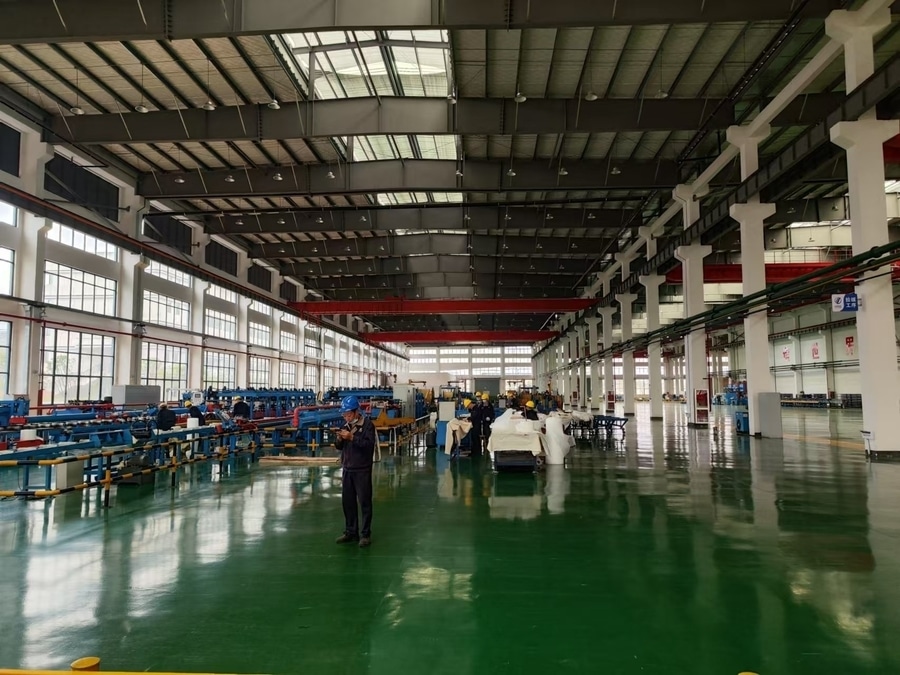
Zhejiang Shuaiyi Metal Technology Group Co., Ltd. is a manufacturer and supplier of high-end metal materials, integrating research and development, production, processing, and sales.
Founded in 2010, the company focuses on stainless steel, high-temperature alloys, special steel, copper-aluminum alloys, and other specialty metal materials.
Its product portfolio covers five major categories:
Nickel Alloys
Ferrous Metals
Precision Alloys
Cobalt-Based Alloys
Non-Ferrous Base Metals
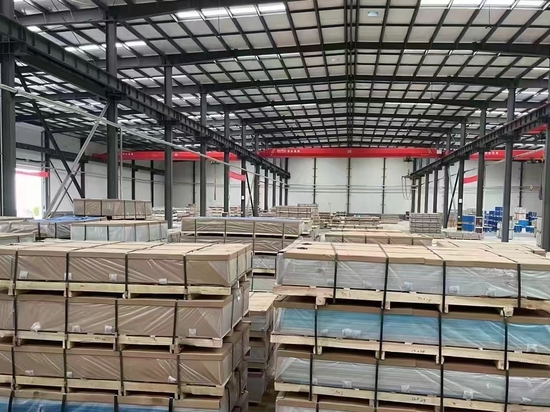
With an annual output of 12,000 tons and exports to 31 countries and regions, Shuaiyi Metal serves customers across industries including nuclear power, power generation, petrochemicals, shipbuilding, aviation, and pharmaceuticals.
The company also emphasizes several capabilities that support industrial procurement:
Customized Material Solutions: Tailored material selection and project-oriented solutions based on customer requirements.
Manufacturing and Processing: Integrated production and processing capabilities for industrial metal materials.
Quality Management: Chemical composition analysis, mechanical property testing, metallographic analysis, ultrasonic testing, and final inspection.
International Standards: Material verification aligned with relevant ASTM, ASME, DIN, and JIS requirements.
Global Supply Chain Support: Coordinated services covering material supply, quality control, export documentation, logistics, and customs clearance.
By combining these capabilities, Shuaiyi Metal aims to provide a more streamlined sourcing experience for industrial buyers seeking specialty metals and customized alloy materials.
7. Choosing the Right Alloy Supplier: Five Questions Worth Asking
Before placing an order, industrial buyers should evaluate more than the quoted price.
Here are five practical questions to consider:
1.Does the supplier offer the required material grades?
Check whether its product portfolio covers the specific alloy, grade, and applicable standard.
2.Can the supplier meet customized specifications?
Confirm available dimensions, thicknesses, processing requirements, and manufacturing tolerances.
3.What quality inspection procedures are available?
Ask for material test certificates, chemical composition reports, mechanical test results, and third-party inspection options where necessary.
4.Can the supplier support international procurement?
Consider export documentation, packaging, logistics coordination, and delivery arrangements.
5.Can the supplier support long-term supply requirements?
Evaluate manufacturing capacity, inventory availability, communication efficiency, and consistency between orders.
A dependable supplier should be able to provide clear technical information and help buyers make informed material decisions.
Conclusion: Better Material Decisions Build Better Industrial Performance
In modern manufacturing, choosing the right metal is about much more than selecting a material from a product catalog.
It requires understanding operating environments, evaluating alloy properties, matching processing capabilities with engineering requirements, and maintaining consistent quality throughout the supply chain.
From nickel-based and cobalt-based alloys to precision alloys, stainless steel, titanium, copper, and aluminum alloys, each material category plays a different role in supporting industrial performance.
Equally important is having a supplier that can connect material expertise, customized processing, quality assurance, and international delivery.
For manufacturers seeking dependable specialty metals and customized alloy solutions, working with an experienced industrial material partner can make the entire procurement process more efficient.
Looking for the right alloy for your next industrial project?
Explore the material portfolio and customized supply solutions offered by Zhejiang Shuaiyi Metal Technology Group Co., Ltd.
 鄂公网安备42018502009509号