#Product Trends
100-Ton Hydraulic Press: Why Such Vastly Different Pressure Performance for the Same Tonnage?
Unveiling the Secrets of Unstable Hydraulic Press Pressure: The Technical Roots Behind Performance Differences in Equipment of the Same Tonnage
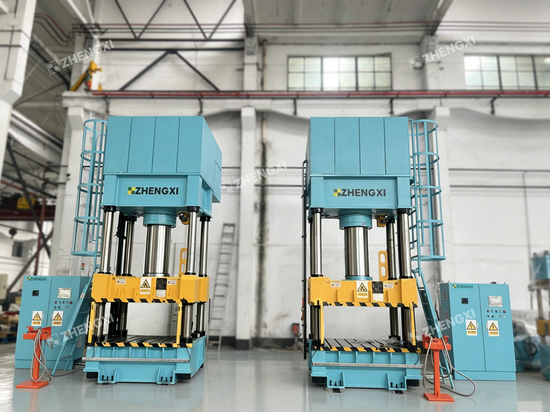
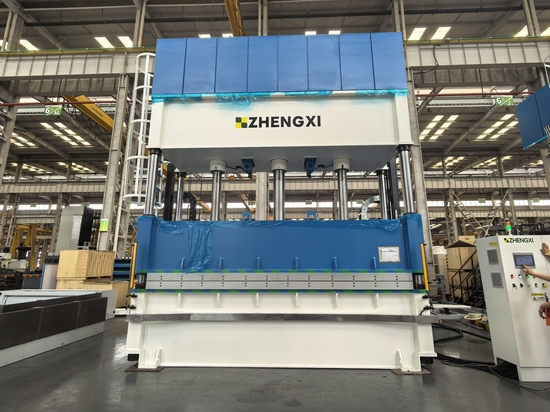
Many buyers believe that 100-ton hydraulic presses from different suppliers should have the same performance. However, in actual production, one hydraulic press easily forms workpieces, while another of the same tonnage cannot press them, resulting in unstable hydraulic press pressure and fluctuating output, directly affecting product quality.
The root cause lies primarily in the hydraulic system configuration. High-quality hydraulic presses are equipped with precision gear pumps or piston pumps, ensuring stable and consistent flow; while low-priced models often use small-displacement or low-grade oil pumps, leading to insufficient pressure and inability to press and form. Internal leakage in the cylinder is another major factor—inferior seals allow hydraulic oil to bypass the piston, reducing the effective output of the hydraulic press and causing significant pressure fluctuations.
The accuracy of the overflow valve and the design of the oil circuit are equally crucial. High-quality hydraulic presses employ precision relief valves with strict tolerance control, ensuring stable pressure maintenance during stamping, forming, and metal stretching processes. In contrast, low-priced hydraulic presses often use generic valves that drift under continuous loads, leading to unstable pressure maintenance and gradual pressure loss. Inadequate hydraulic circuit design further weakens the press's effective output.
Modern servo systems are another key differentiator. Servo hydraulic presses can adjust pump output in real time, maintaining constant pressure throughout the entire stroke—something traditional systems cannot achieve. Combined with high-quality seals and optimized hydraulic circuits, a properly configured hydraulic press provides stable and repeatable performance for demanding production environments.
When purchasing hydraulic press equipment, do not solely rely on the tonnage label. A thorough understanding of pump specifications, cylinder seals, valve precision, and the control system is crucial to avoiding the pitfalls of low-priced equipment and ensuring reliable operation in stamping, stretching, and forming processes.