#Product Trends
Hydraulic Press Oil Leaks: A Guide to Location-Based Troubleshooting and Repair
Location-Based Hydraulic Press Oil Leak Troubleshooting: Root Cause Repair Solutions from Cylinders to Valve Blocks
Hydraulic press oil leaks are among the most common and costly malfunctions in industrial workshops. If not addressed promptly, even minor leaks can escalate into environmental pollution, pressure loss, and unexpected downtime—therefore, rapid and accurate diagnosis is crucial for every workshop operator.
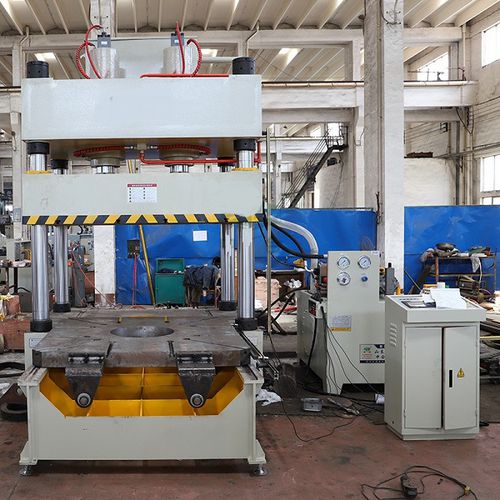
Effective troubleshooting should begin with location-based leak identification. In hydraulic presses, the six main leak points include: cylinder leaks (piston rod seal wear), pipeline leaks (brittle hoses or damaged joints), valve block leaks (loose mounting bolts), tank leaks (cracked welds or loose drain plugs), flange leaks (uneven bolt torque), and seal leaks (seal extrusion or aging degradation). Accurately locating the leak is half the battle won in repair.
The root cause of the malfunction varies depending on its location. Damaged oil seals and aging sealing rings are the main culprits at the interface between the cylinder and valve block—timely seal replacement can solve most problems. Loose joints and damaged hydraulic lines are the main causes of oil leaks in pipelines and flanges, requiring retightening or replacement of the pipelines. A complete oil leak repair solution must eliminate both the symptoms and the root cause, ensuring a complete cure rather than repeated temporary repairs.
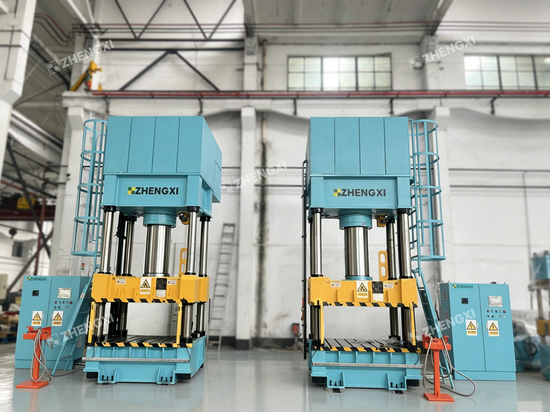
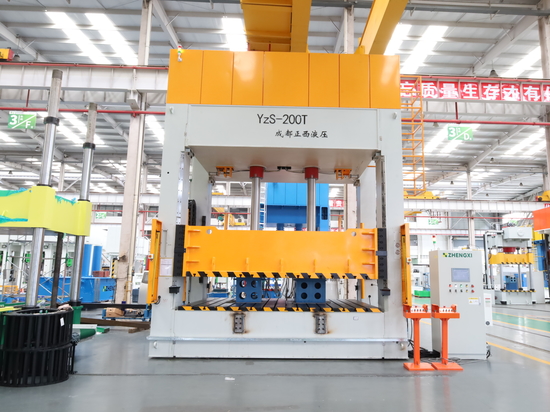
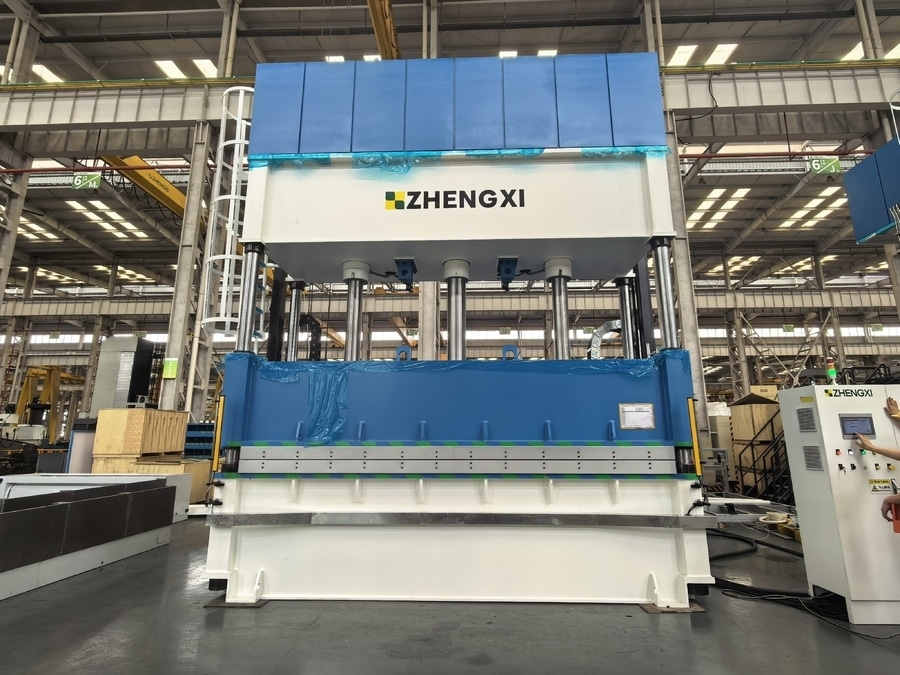
Proactive troubleshooting and equipment maintenance of hydraulic presses are key to reducing oil leaks and minimizing oil consumption. Every workshop should establish a routine equipment inspection system covering the condition of seals, the tightness of joints, and the integrity of hoses. Whether you operate a four-column hydraulic press, a single-column hydraulic press, a stamping hydraulic press, or a stretching hydraulic press, consistent workshop equipment maintenance ensures that the oil stays where it should—inside the system—guaranteeing production efficiency and economic benefits.
The ultimate strategy for achieving long-term reliable operation is to combine regular seal replacement with real-time condition monitoring. Early detection of aging seals and loose joints allows factories to prevent oil leaks before they occur—transforming reactive maintenance into predictive maintenance and extending the service life of various hydraulic press equipment.