#Product Trends
Modular Shelving Systems for Lean Production: Efficient Use of Flexible Storage Solutions
How adaptable shelving systems improve material flow, simplify processes and optimize storage space utilization
Modular shelving systems as the basis for structured processes
In production and logistics, a well-designed storage structure is essential. Materials must be quickly accessible, clearly organized, and seamlessly integrated into existing workflows.
This is exactly where modular shelving systems come into play. They are not just simple storage units but actively support material flow and ensure more efficient processes.
In Lean Management, the principle is clear: fewer movements and well-structured processes lead to better results. Shelving systems make an important contribution to this.
What defines modular shelving systems
Modular shelving systems are based on a building-block principle. This means they can be individually configured and modified at any time.
Different heights, widths, levels or load capacities can be flexibly combined. Extensions or modifications are also possible at any time.
This makes them particularly suitable for companies where requirements change regularly.
What the structure depends on
The configuration of a shelving system always depends on the application. Important factors include:
size and weight of materials
type of storage (e.g. boxes or long components)
required load capacity
available space
desired flexibility
Based on these factors, individual solutions are created – from simple shelving units to complex material flow systems.
The most important shelving types explained simply
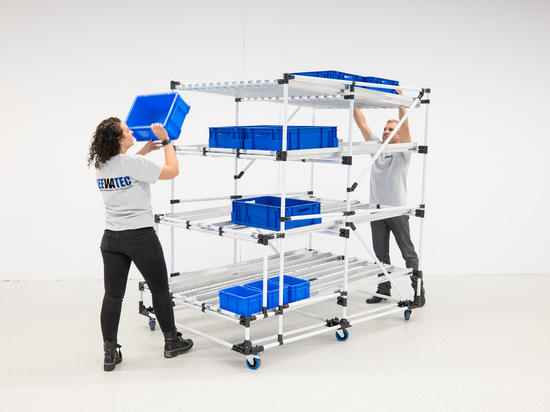
Flow racks
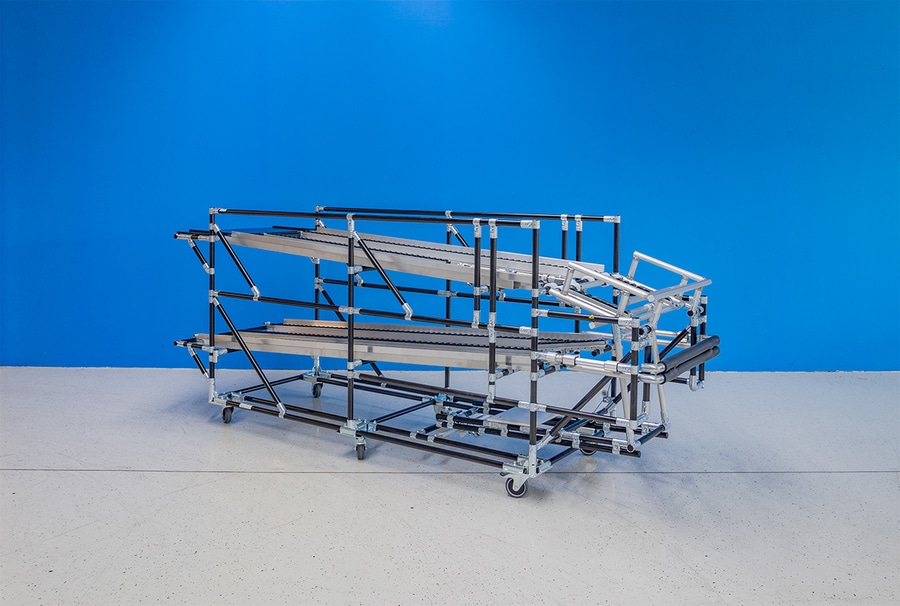
Flow racks operate according to the FIFO principle: materials are loaded from one side and automatically move to the picking side.
This ensures:
clear processes
fewer walking distances
continuous supply
Shelf racks
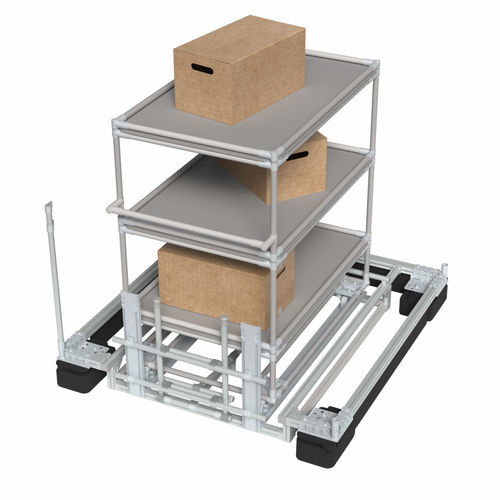
Shelf racks are versatile and simple in design. Multiple levels provide space for different materials.
Advantages:
flexible adjustment
easy modification
suitable for many applications
Cantilever racks
Cantilever racks are ideal for long or bulky materials such as pipes or profiles. These are stored on arms extending from the structure.
Advantages:
good accessibility
stable storage
ideal for long goods
Importance in Lean Management
In Lean environments, shelving systems are more than just storage. They actively support processes and provide structure in workflows.
Typical functions include:
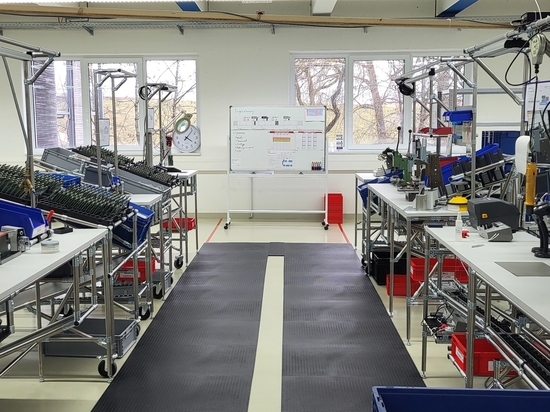
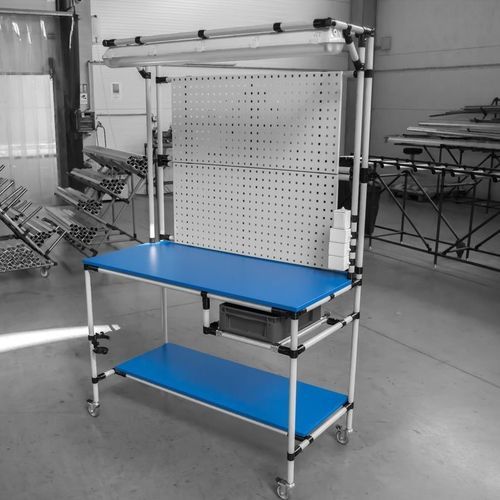
material provision directly at the workstation
support of FIFO processes
reduction of walking distances
clear visual organization
This makes shelving systems a direct contributor to efficiency improvement.
Flexibility as a major advantage
A key benefit of modular systems is their adaptability. Production requirements often change quickly today.
Modular shelving allows companies to:
convert existing systems instead of purchasing new ones
modify layouts at short notice
optimize processes during ongoing operations
This saves time, reduces costs and increases overall flexibility.
Part of a larger system
Shelving systems are often integrated into an overall material flow system. Additional components turn them into active process elements.
Examples include:
roller tracks for automatic movement
mobile racks for flexible use
special designs for sensitive areas
combination with transport or supply solutions
This creates continuous workflows from storage to production.
Planning and implementation
Today, many shelving systems are digitally designed. 3D tools allow solutions to be visualized and optimized in advance.
This helps avoid errors and speeds up implementation. Full planning services can also be provided if required.
Conclusion
Modular shelving systems are an essential part of modern production and logistics processes. They create structure, improve material flow and can be adapted at any time.
They help companies work more efficiently, use space better and organize processes clearly.
Especially in Lean Management, they therefore play a central role.