
#Product Trends
Ultrasonic Distance Sensor: Range, Frequency, and Transducer Selection Guide
Ultrasonic Distance Sensor: Range, Frequency, and Transducer Selection Guide
What Is an Ultrasonic Distance Sensor?
An ultrasonic distance sensor is a non-contact measuring device used to detect the distance between the sensor and a target object. It works by sending ultrasonic sound waves toward the target and receiving the reflected echo. Because it does not require physical contact, this type of sensor is widely used in industrial automation, level monitoring, object detection, parking assistance, robotics, and other measurement systems.
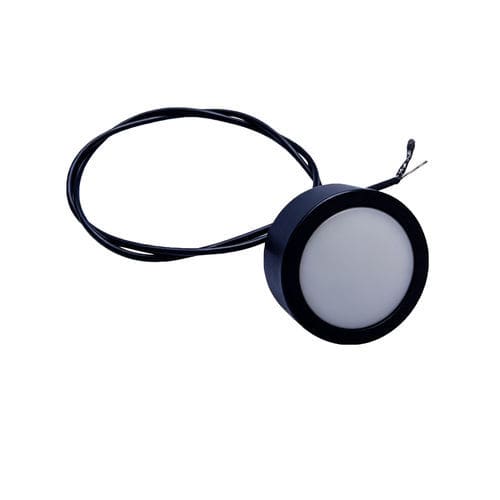
In many designs, the core acoustic component is the ultrasonic distance transducer. The transducer converts electrical energy into ultrasonic vibration during transmission and converts the reflected acoustic signal back into an electrical signal during reception. In other words, the sensor is usually the complete measuring unit, while the transducer is the key component that generates and receives the ultrasonic wave.
For engineers and buyers, understanding this difference is important. If you are selecting a complete measuring module, you may focus on output signal, housing, installation method, and power supply. If you are designing your own device, you may need to select or customize the ultrasonic distance transducer itself. For a broader selection overview, you can also read our guide on how to choose an ultrasonic sensor.