#Product Trends
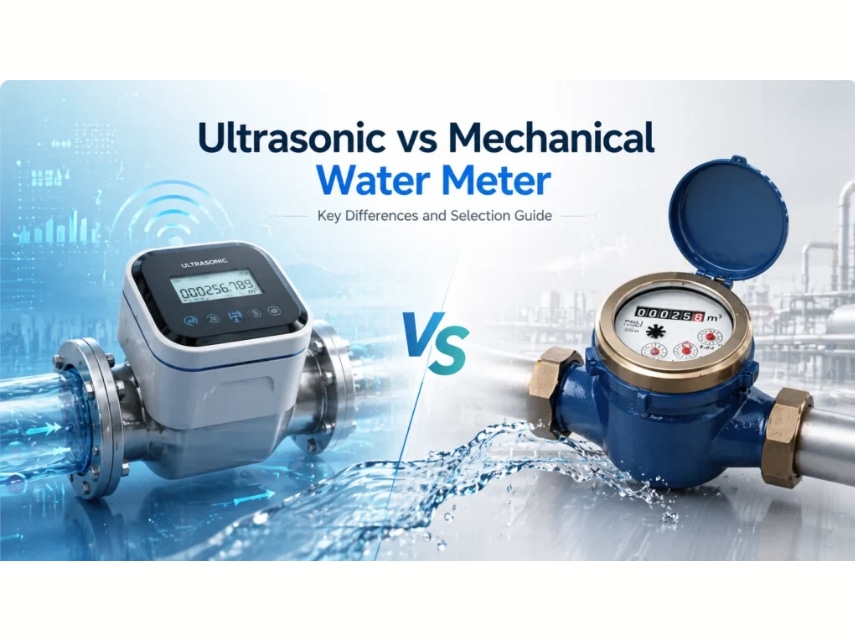
Ultrasonic Water Meter vs Mechanical Water Meter: Key Differences and Selection Guide
Ultrasonic Water Meter vs Mechanical Water Meter: Key Differences and Selection Guide
Introduction
Choosing between an ultrasonic water meter and a mechanical water meter is an important decision for residential, commercial, municipal, and industrial water management projects. While mechanical meters have been widely used for many years, smart water networks increasingly require higher measurement stability, remote reading, leak monitoring, and lower long-term maintenance.
This guide compares ultrasonic and mechanical water meters from the perspective of working principle, accuracy, pressure loss, maintenance, communication options, and project suitability. It is designed to help water utilities, system integrators, property developers, and OEM/ODM buyers select the right metering solution for modern smart water management.
What Is a Mechanical Water Meter?
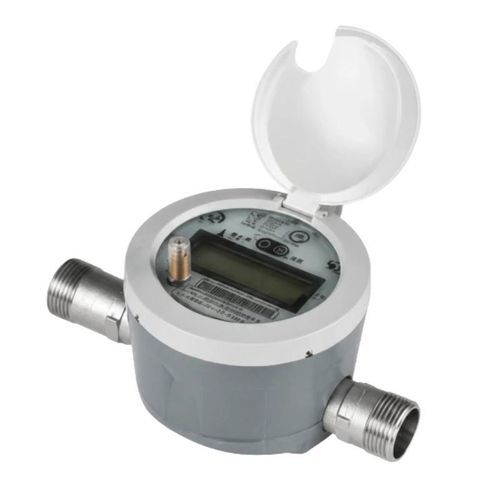
A mechanical water meter measures water consumption through moving components inside the flow channel. Depending on the design, the water flow may drive an impeller, piston, turbine, or other mechanical measuring structure. The movement is then converted into a volume reading displayed on the meter register.
Mechanical meters are commonly used because they are familiar, cost-effective, and widely available. However, because the measurement depends on physical movement, long-term wear, impurities in water, scaling, and low-flow performance can affect measurement stability over time.