
#Product Trends
Low Voltage Regulator (LV Regulator)
Low Voltage Regulator
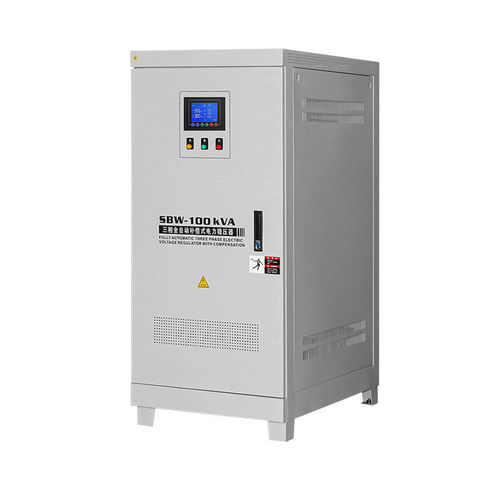
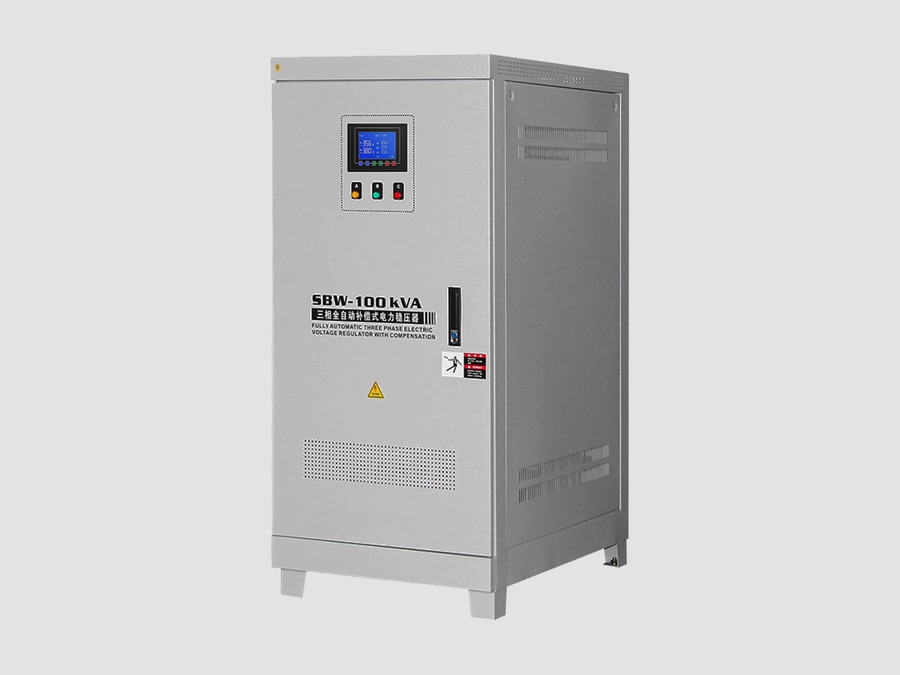
A Low Voltage Regulator (LV Regulator), also called a Low Voltage Automatic Voltage Regulator (LV AVR) or Voltage Stabilizer, is an electrical device designed to maintain a stable low-voltage output voltage by compensating for fluctuations in the incoming power supply.
It is commonly used in commercial buildings, industrial facilities, data centers, and sensitive electrical equipment systems where stable voltage is required.
1. Typical Ratings
·Voltage Class: 100 V – 1,000 V AC
·Common Systems: 230 V, 400 V, 415 V, 480 V
·Phase: Single-phase / Three-phase
·Capacity: 1 kVA to several MVA
·Frequency: 50 Hz / 60 Hz
·Regulation Accuracy: ±0.5% to ±5%
·Cooling: Natural air, forced air, oil cooling (large units)
2. Main Functions
Voltage Stabilization
The LV regulator compensates for:
·Undervoltage conditions
·Overvoltage conditions
·Voltage sags
·Voltage fluctuations
·Long feeder voltage drops
Example:
·Input Voltage: 360–450 V
·LV Regulator
·Stable Output: 400 V
3. Main Components
1) Voltage Sensing Circuit
Measures:
·Input voltage
·Output voltage
·Load current
·Provides feedback to the control system.
2) Control Unit
Controls voltage correction by:
·Monitoring voltage deviation
·Calculating correction level
·Activating adjustment mechanism
Common controls:
·Microprocessor controller
·PLC-based controller
·Digital relay controller
3) Voltage Adjustment Element
Different technologies are used:
A. Tap-Changing Transformer Type
·Uses transformer taps to adjust output voltage.
·Suitable for high-power LV applications.
·Slower response but robust.
B. Servo Motor Type Regulator
·Uses a motor-driven variable transformer.
·Provides smooth voltage adjustment.
C. Static Voltage Regulator
Uses power electronics:
·IGBT
·Thyristor
·PWM converters
Advantages:
·Very fast response
·No mechanical wear
4. Types of LV Regulators
A.) Automatic Voltage Regulator (AVR)
Most common type.
Applications:
·Generators
·Motors
·Industrial loads
B.) Distribution Voltage Regulator
Installed in:
·LV distribution boards
·Commercial buildings
·Factories
C.) Servo Voltage Regulator
Features:
·High accuracy
·Smooth adjustment
·Suitable for sensitive loads
Applications:
·CNC machines
·Medical equipment
·Laboratory equipment
D.) Static Voltage Regulator
Features:
·Millisecond response
·No moving parts
·High reliability
Applications:
·Data centers
·Semiconductor manufacturing
·Automation systems
5. Applications
·Manufacturing: CNC machines, production lines
·Data Centers: Server power protection
·Hospitals: Medical equipment
·Commercial Buildings: HVAC and lighting systems
·Telecommunications: Network equipment
·Renewable Energy: LV inverter output stabilization
·Residential: Sensitive electronics protection
6. Advantages
Equipment Protection
Prevents damage caused by:
·High voltage
·Low voltage
·Voltage instability
·Improved Equipment Performance
Provides stable operation for:
·Motors
·Drives
·Control systems
·Reduced Downtime
Avoids:
·Motor trips
·PLC failures
·Electronic equipment resets
·Better Power Quality
Improves:
·Voltage stability
·System reliability
In a low-voltage power system, an LV Regulator functions as an automatic voltage stabilizer, ensuring that electrical loads receive a consistent and reliable voltage despite fluctuations in the incoming supply.