
#Product Trends
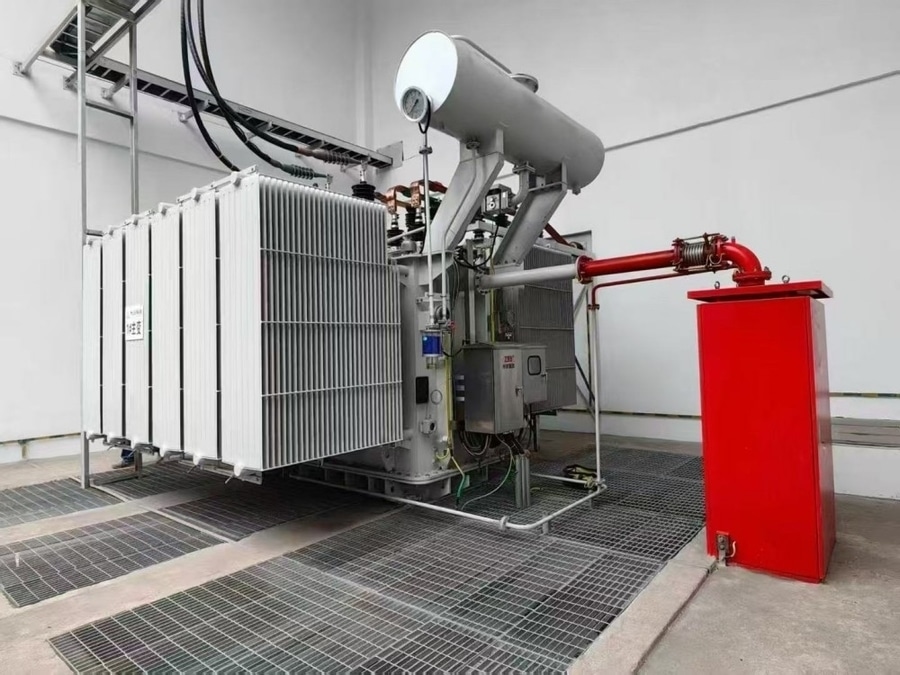
Amorphous Alloy Transformer offering the solution with significantly reduces magnetic losses
Amorphous Alloy Transformer
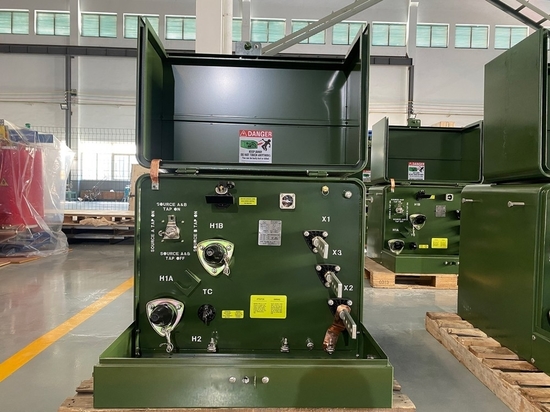
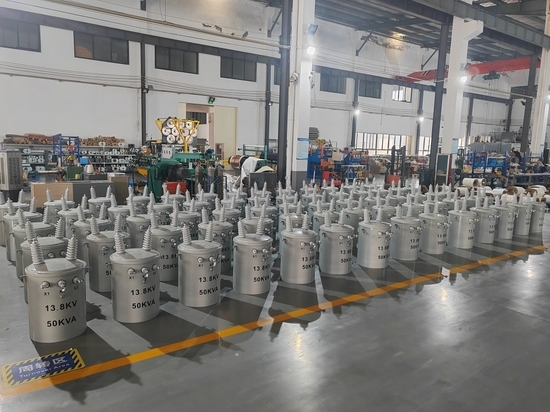
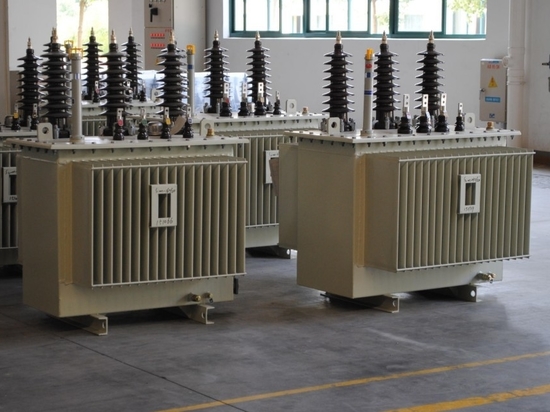
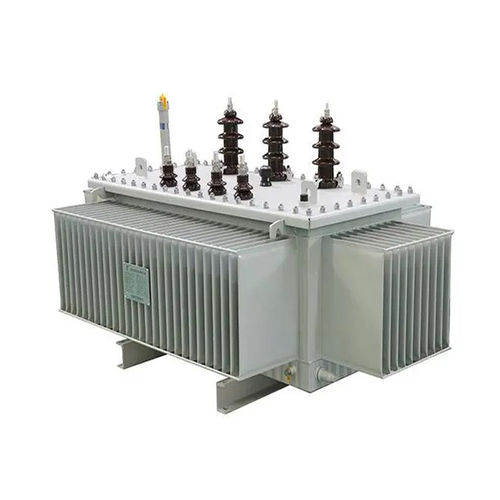
Amorphous Alloy Transformer (AAT) is an energy-efficient transformer that uses an amorphous metal core instead of conventional grain-oriented silicon steel. The amorphous alloy has a non-crystalline atomic structure, which significantly reduces magnetic losses, making these transformers ideal for distribution networks where they remain energized continuously.
Key Characteristics
·Core Material: Amorphous metal alloy (iron-based metallic glass)
·Voltage Class: Up to 36 kV (higher voltages available for special applications)
·Power Rating: 25–5000 kVA (typical distribution range)
·Frequency: 50 Hz or 60 Hz
·Phases: Single-phase or Three-phase
·Cooling Method: ONAN (oil-immersed) or AN/AF (dry-type)
·Efficiency: Typically 98.5–99.7%
·Service Life: 25–40 years
Advantages
·Very low no-load (core) losses, reducing energy consumption.
·Improved overall efficiency, particularly in lightly loaded networks.
·Lower operating temperatures, which can help extend insulation life.
·Reduced carbon emissions through lower electricity losses.
·Lower operating and maintenance costs over the transformer's lifetime.
·Suitable for continuous operation in utility distribution systems.
Typical Applications
·Utility distribution networks
·Residential power distribution
·Commercial developments
·Industrial facilities
·Renewable energy projects
·Smart grid installations
·Rural electrification
Common Voltage Ratings
Primary voltages:
·6.6 kV
·10 kV
·11 kV
·12 kV
·22 kV
·24 kV
·33 kV
Secondary voltages:
·400/230 V
·415/240 V
·480/277 V
·208/120 V
Standard Power Ratings
Typical capacities include:
·25 kVA
·50 kVA
·100 kVA
·160 kVA
·200 kVA
·250 kVA
·315 kVA
·400 kVA
·500 kVA
·630 kVA
·800 kVA
·1000 kVA
·1250 kVA
·1600 kVA
·2000 kVA
·2500 kVA
·3150 kVA
·5000 kVA
Main Components
·Amorphous alloy core
·High-voltage winding
·Low-voltage winding
·Transformer tank
·Insulating oil or dry-type insulation
·Cooling fins or radiators
·High- and low-voltage bushings
·Tap changer
·Pressure relief device
·Oil level indicator (oil-filled units)
·Temperature indicators
·Earthing terminals
Typical Performance
·No-load Loss Reduction: 60–80% compared with silicon steel cores
·Load Loss: Comparable to conventional transformers
·Noise Level: Often slightly higher unless optimized by design
·Efficiency at Light Load: Excellent
·Maintenance: Similar to conventional oil-filled or dry-type transformers
Routine Tests
Manufacturers typically perform:
·Winding resistance measurement
·Turns ratio (TTR) test
·Insulation resistance (IR)
·No-load loss and excitation current
·Load loss and impedance measurement
·Applied voltage withstand test
·Induced overvoltage test
·Oil dielectric strength test (oil-filled units)
·Leak test
·Functional testing of accessories
Applicable Standards
·IEC 60076 – Power Transformers
·IEEE C57.12 series – Distribution Transformers
·IEC 60296 – Mineral insulating oils (oil-filled units)
·Applicable national utility specifications for amorphous-core transformers
Advantages and Considerations
Advantages:
·Significantly reduced no-load losses
·Lower lifetime energy costs
·Reduced greenhouse gas emissions
·High reliability
·Well suited for continuously energized distribution transformers
Considerations:
·Higher purchase cost than conventional transformers
·Core material is more brittle, requiring specialized manufacturing techniques
·Slightly larger dimensions and weight may be required for the same rating
Amorphous alloy transformers are increasingly adopted by electric utilities and industrial users where minimizing energy losses over decades of operation outweighs the higher initial purchase price. They are particularly attractive for distribution systems with long energization periods and relatively low average loading, where reduced no-load losses provide the greatest economic benefit.