
#Product Trends
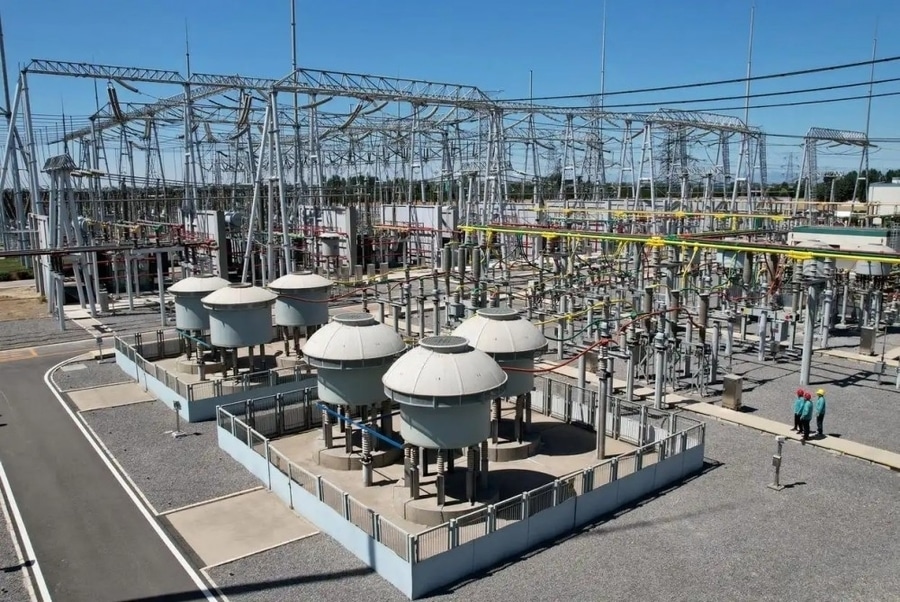
Air Core Reactor (ACR) offering the electromagnetic induction
Air Core Reactor (ACR)
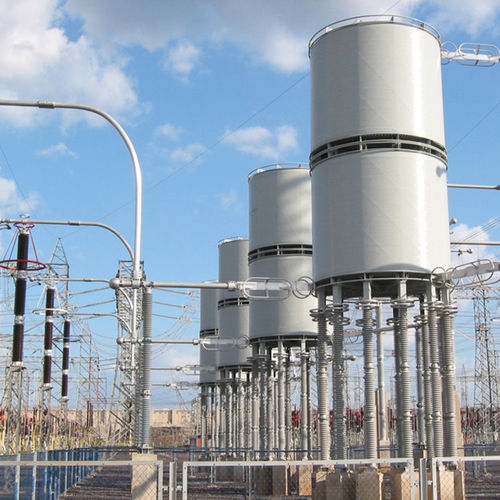
An Air Core Reactor (ACR) is a type of electrical reactor (inductor) that uses a coil winding without an iron or steel magnetic core. Its inductance is produced by the magnetic field generated in the surrounding air. It is widely used in transmission and distribution systems for current limiting, harmonic filtering, reactive power control, and power quality improvement.
1. Working Principle
An air core reactor operates according to the principle of electromagnetic induction:
AC current flowing through the coil creates a magnetic field.
The magnetic field opposes rapid changes in current, producing inductive reactance (Xₗ).
The reactor introduces impedance into the power circuit to control current flow.
2. Main Construction
Typical air core reactor components include:
Coil Assembly
·Multi-layer cylindrical winding
·Copper or aluminum conductor
·Epoxy/fiberglass insulation support
Hollow air core
·Support Structure
·Fiberglass cylinders or columns
·Mechanical bracing to withstand short-circuit forces
Cooling
·Natural air cooling (AN / self-cooled)
·No transformer oil required
Terminals
·Aluminum or copper connection pads
·Designed for high fault current withstand
3. Types of Air Core Reactors
A.) Current Limiting Reactor
Purpose:
·Reduce short-circuit current levels
·Protect switchgear and transformers
Applications:
·Substations
·Generator connections
·Industrial power systems
Example:
·A reactor installed between a generator and busbar limits fault current so breakers remain within their interrupting rating.
B.) Harmonic Filter Reactor
Used with capacitor banks to:
·Reduce harmonic distortion
·Prevent resonance
·Improve power quality
Applications:
·Variable frequency drives (VFD)
·Renewable energy systems
·Industrial converters
C.) Shunt Reactor
Used for reactive power compensation:
·Absorbs capacitive charging current
·Controls voltage rise on long cables and transmission lines
Common on:
·EHV transmission lines
·Underground cable systems
D.) Capacitor Bank Series Reactor
Installed in series with capacitor banks to:
·Limit inrush current
·Prevent harmonic resonance
·Protect capacitor units
4. Advantages
·No saturation: Stable inductance at high current
·Low losses: No iron core losses
·Low noise: No magnetostriction from steel core
·Fast response: Suitable for transient conditions
·Simple design: Dry-type construction
·Maintenance-free: No oil system
5. Typical Specifications
·Voltage class: 1 kV – 765 kV
·Frequency: 50/60 Hz
·Capacity: kVAR to several hundred MVAR
·Cooling: Natural air cooling
·Installation: Indoor or outdoor
·Conductor: Copper / Aluminum
·Insulation: Dry-type
6. Common Applications
·Generator fault current limiting
·HV/MV substations
·Renewable energy plants
·HVDC converter stations
·Arc furnace systems
·Industrial motor drives
·Capacitor banks
·Harmonic mitigation systems
Air Core Reactor summary:
An ACR is a dry-type, coreless inductive device designed to add controlled impedance to electrical networks. Its main benefits are linear performance, no magnetic saturation, and reliable high-current operation, making it widely used in modern power systems for fault-current limitation and power-quality control.