
#Product Trends
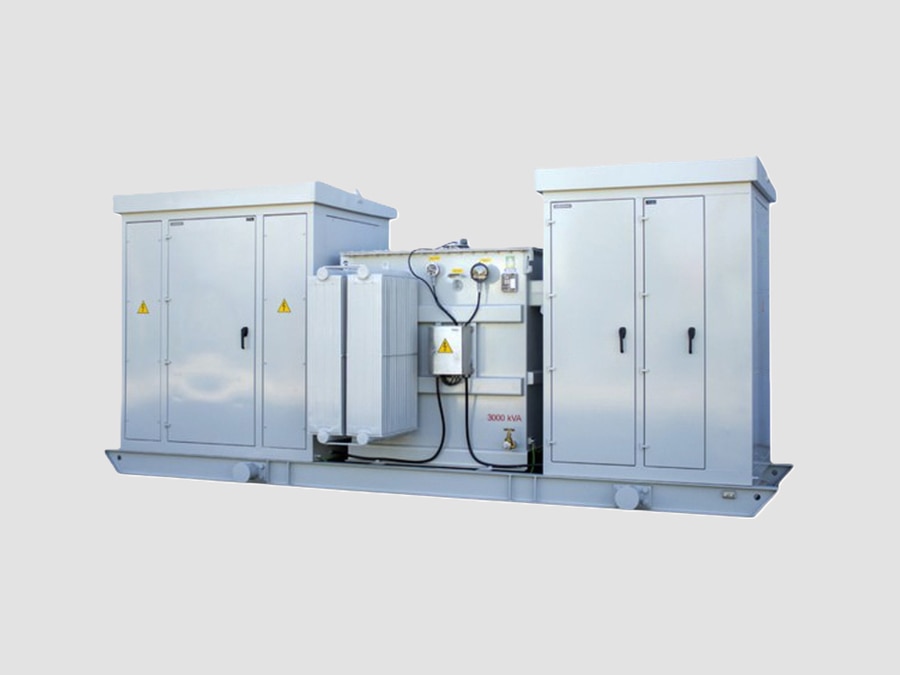
Unit Substation provides a complete and efficient solution for converting and distributing electrical power
Unit Substation
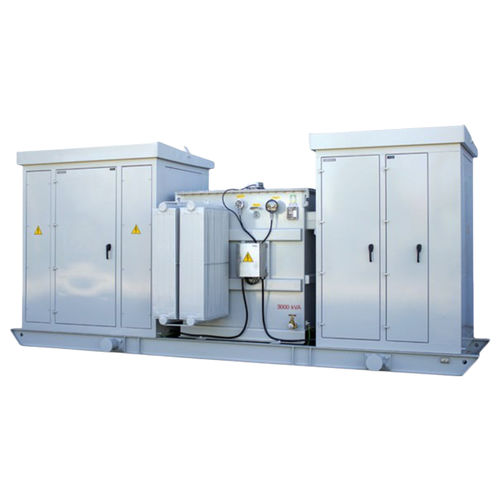
A Unit Substation is an integrated electrical power distribution assembly consisting of a medium-voltage (MV) switchgear section, transformer, and low-voltage (LV) switchgear section installed as a coordinated package. It is designed to step down utility or plant medium voltage to low-voltage power for industrial, commercial, and infrastructure loads.
Unit substations provide a compact and efficient method of distributing electrical power by placing the transformer close to the load center, reducing cable length, voltage drop, and installation costs.
Main Features
·Integrated MV/LV power distribution system
·Factory-assembled and tested package
·Compact installation design
·High reliability and safety
·Reduced cable distance to loads
·Suitable for indoor and outdoor applications
·Easy maintenance and expansion
·Compatible with protection and automation systems
Main Components
1.) Medium Voltage Switchgear Section
Function:
·Incoming MV power control
·Fault protection
·Isolation and switching
Typical equipment:
·MV circuit breaker
·Load break switch
·Fuse switch
·Current transformer (CT)
·Voltage transformer (VT)
·Protection relay
·Surge arrester
·Earthing switch
Typical voltage levels:
·3.3kV
·6.6kV
·10kV
·12kV
·24kV
·35kV
2.) Power Transformer
Function:
·Converts medium voltage to low voltage
Transformer types:
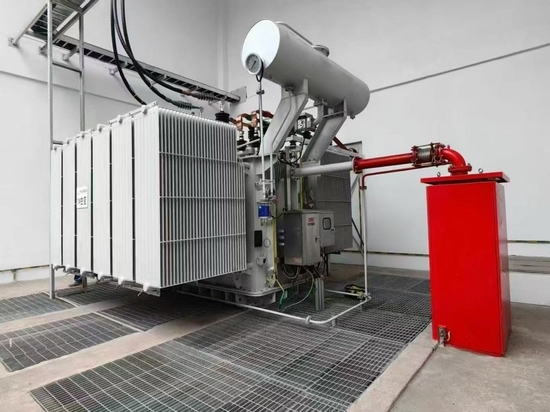
·Oil-immersed transformer
·Dry-type transformer
·Cast resin transformer
Common output voltages:
·400V
·415V
·480V
·600V
·690V
Typical capacities:
·500 kVA
·1000 kVA
·1600 kVA
·2500 kVA
·5000 kVA and above
3.) Low Voltage Switchgear Section
Function:
·Distributes power to final loads
Typical equipment:
·ACB (Air Circuit Breaker)
·MCCB (Molded Case Circuit Breaker)
·MCC panels
·Capacitor compensation panels
·Metering devices
·Feeder breakers
Types of Unit Substations
1.) Indoor Unit Substation
Features:
·Installed inside electrical rooms
·Protected from weather conditions
·Easier maintenance
Applications:
·Commercial buildings
·Factories
·Data centers
·Hospitals
2.) Outdoor Unit Substation
Features:
·Weather-resistant enclosure
·Suitable for external installation
·Space-saving design
Applications:
·Industrial plants
·Utility distribution
·Renewable energy projects
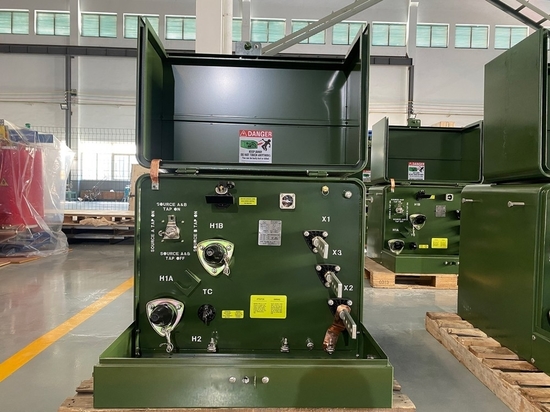
3.) Pad-Mounted Unit Substation
Features:
·Ground-level outdoor installation
·Tamper-resistant enclosure
·Compact design
Applications:
·Urban distribution
·Residential developments
·Commercial facilities
4.) Skid-Mounted Unit Substation
Features:
·Factory-integrated skid package
·Easy transportation
·Rapid installation
Applications:
·Mining
·Oil & gas
·Temporary power systems
Typical Technical Specifications
·MV Input Voltage: 3.3–40.5 kV
·LV Output Voltage: 400–690 V
·Frequency: 50/60 Hz
·Transformer Capacity: 500 kVA–10 MVA+
·MV Current: 630–1250 A
·LV Main Bus Current: 1000–6300 A
·Short Circuit Level: 25–100 kA
·Transformer Type: Oil / Dry / Cast Resin
·Protection Degree: IP31–IP66
·Installation: Indoor / Outdoor
·Applicable Standards: IEC 62271, IEC 60076, IEC 61439
Working Principle
·Medium-voltage power enters the MV switchgear section.
·The MV switchgear provides switching and protection.
·The transformer reduces MV voltage to LV voltage.
·LV switchgear distributes power to connected loads.
·Protection devices isolate faults to prevent equipment damage.
·Monitoring and automation systems supervise system operation.
Advantages
Compact Design
·Combines MV switchgear, transformer, and LV switchgear
·Requires less installation space
Improved Efficiency
·Transformer located near loads
·Reduced cable length
·Lower voltage losses
High Reliability
·Factory-tested assembly
·Coordinated protection system
·Reduced installation errors
Easy Maintenance
·Accessible equipment arrangement
·Simplified troubleshooting
·Modular replacement
Cost Effective
·Lower civil construction cost
·Reduced cabling requirements
·Faster installation
Typical Applications
Industrial Facilities
·Manufacturing plants
·Steel mills
·Cement plants
·Chemical factories
·Mining operations
Commercial Buildings
·Shopping centers
·Office buildings
·Data centers
·Hospitals
Energy Projects
·Solar PV plants
·Wind farms
·Battery energy storage systems (BESS)
Infrastructure
·Airports
·Railways
·Water treatment plants
·Transportation facilities
Applicable Standards
·IEC 60076 – Power transformers
·IEC 62271 – High-voltage switchgear and controlgear
·IEC 61439 – Low-voltage switchgear assemblies
·IEC 60529 – Degrees of protection (IP Code)
·IEC 60947 – Low-voltage switching devices
Typical Ratings Summary
·MV Voltage: 3.3–40.5 kV
·LV Voltage: 400–690 V
·Transformer Capacity : 0.5–10 MVA+
·MV Switchgear: AIS/GIS
·Transformer Type: Oil / Dry / Cast Resin
·LV Switchgear: ACB/MCCB/MCC
·Protection: IP31–IP66
·Installation: Indoor / Outdoor
·Automation: Optional SCADA
·Service Life: ≥25–30 years
A Unit Substation provides a complete and efficient solution for converting and distributing electrical power close to the point of use. By integrating MV switchgear, transformer, and LV distribution equipment into one coordinated system, it offers reduced installation time, improved reliability, lower power losses, and simplified maintenance for industrial, commercial, and utility applications.