
#Product Trends
Prefabricated Substation (E-House) provides a complete, factory-tested electrical solution
Prefabricated Substation (E-House)
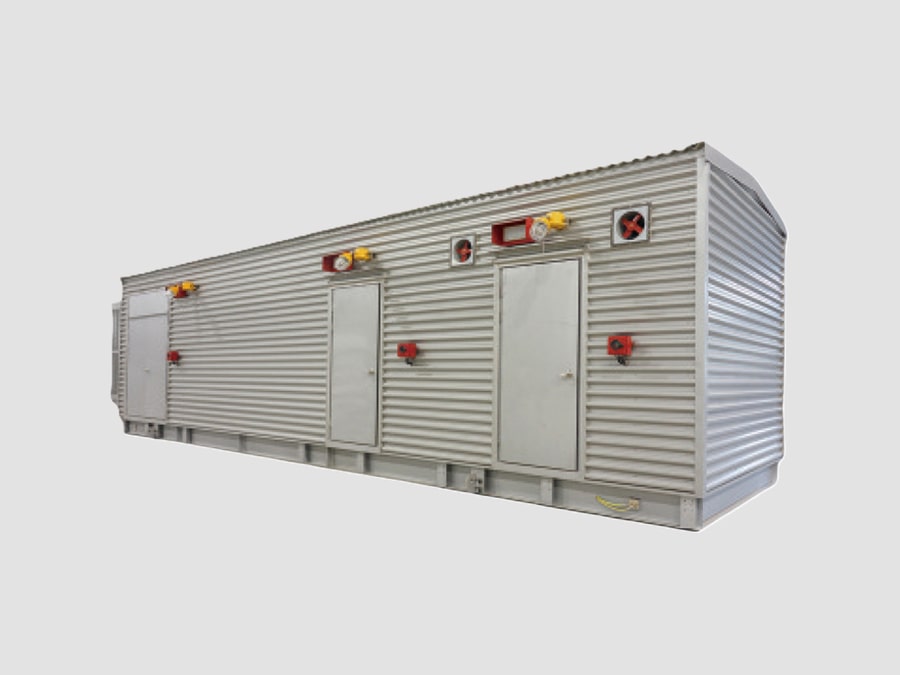
A Prefabricated Substation (E-House, Electrical House) is a factory-built modular electrical facility that integrates medium-voltage switchgear, low-voltage switchgear, transformers, protection systems, control systems, auxiliary power systems, and automation equipment into a pre-engineered enclosure. The complete unit is manufactured, wired, tested, and commissioned in a factory before being transported to the project site for installation.
E-Houses are widely used in industrial plants, renewable energy projects, mining sites, oil & gas facilities, data centers, power generation plants, and infrastructure projects where rapid deployment, high reliability, and reduced site construction work are required.
Main Features
·Factory-assembled modular electrical building
·Reduced site installation time
·Fully tested before shipment
·Integrated MV/LV electrical systems
·Indoor climate-controlled environment
·Flexible modular expansion
·Suitable for harsh environmental conditions
·High reliability and safety
·Plug-and-play installation
·Customizable layout and equipment configuration
Typical E-House Configuration
A prefabricated substation may contain:
·Medium Voltage System
·MV switchgear (AIS/GIS)
·Vacuum circuit breakers (VCB)
·Load break switches
·Protection relays
·Metering equipment
·CTs and VTs
·MV cable termination panels
Typical voltage levels:
·6.6kV
·10kV
·12kV
·24kV
·35kV
·40.5kV
Transformer System
Options:
·Dry-type transformer
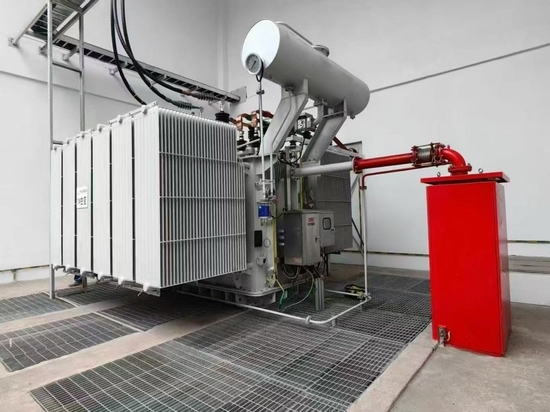
·Oil-immersed transformer
·Cast resin transformer
Functions:
·Voltage conversion
·Isolation between MV and LV networks
Low Voltage System
Includes:
·LV switchgear
·Motor Control Center (MCC)
·Distribution boards
UPS systems
·DC power supply systems
·Battery chargers
Typical voltages:
·400V
·415V
·480V
·690V
Control and Automation System
Includes:
·PLC panels
·SCADA system
·Remote I/O
·Communication equipment
·Protection and control panels
·Industrial Ethernet networks
Main Components
·Steel enclosure: Provides structural and environmental protection
·MV switchgear: Medium-voltage switching and protection
·Transformer: Voltage conversion
·LV switchgear: Low-voltage distribution
·MCC: Motor control and protection
·UPS: Backup AC power
·DC system: Protection/control backup
·HVAC system: Temperature and humidity control
·Fire detection system: Safety protection
·Lighting system: Internal operation lighting
·Cable system: Internal power and control wiring
Typical Technical Specifications
·Rated Voltage: Up to 40.5kV
·LV Output Voltage: 400–690V
·Frequency: 50/60 Hz
·MV Switchgear Rating: 630–4000 A
·LV Main Bus Rating: 1000–6300 A
·Short Circuit Rating: 25–100 kA
·Protection Degree: IP54–IP66
·Ambient Temperature: -40°C to +50°C (application dependent)
·Seismic Design: Optional
·Fire Protection: Optional
·Standards: IEC 62271, IEC 61439, IEC 60529
Construction Types
1.) Containerized E-House
Features:
·Steel container structure
·Factory assembled
·Easy transportation
·Suitable for remote locations
Applications:
·Mining
·Renewable energy
·Oil & gas
2.) Modular Panelized E-House
Features:
·Larger custom dimensions
·Expandable design
·Installed on permanent foundations
Applications:
·Large industrial plants
·Power stations
3.) Skid-Mounted E-House
Features:
·Electrical building mounted on steel skid
·Factory tested as complete package
·Rapid installation
Applications:
·Offshore platforms
·Process industries
Working Principle
·Incoming power enters the E-House through MV switchgear.
·MV protection devices control and isolate electrical faults.
·Transformers reduce voltage to LV levels.
·LV switchgear distributes power to plant loads.
·MCCs control motors and process equipment.
·Automation systems monitor and control the entire electrical system.
·Backup DC and UPS systems maintain critical operation during power interruptions.
Advantages
Fast Installation
·Factory fabrication reduces construction time
·Minimal site assembly required
·Shorter project schedule
High Quality Control
·Factory testing before delivery
·Controlled manufacturing environment
·Reduced field wiring errors
Flexible Design
·Custom equipment arrangement
·Expandable modules
·Suitable for various industries
Improved Reliability
·Protected indoor environment
·Reduced exposure to dust, moisture, and pollution
·Integrated protection systems
Reduced Civil Work
·Less building construction
·Smaller site workforce requirement
·Lower installation risk
Typical Applications
Energy Sector
·Solar PV plants
·Wind farms
·Battery energy storage systems (BESS)
·Hydropower plants
Industrial Sector
·Steel plants
·Cement plants
·Chemical plants
·Mining operations
·Oil & gas facilities
Infrastructure
·Airports
·Railways
·Data centers
·Water treatment plants
·Commercial complexes
Applicable Standards
·IEC 62271 – High-voltage switchgear and controlgear
·IEC 61439 – Low-voltage switchgear assemblies
·IEC 60529 – Degrees of protection (IP Code)
·IEC 60076 – Power transformers
·IEC 60364 – Low-voltage electrical installations
·IEEE / NFPA standards (where applicable)
Typical Ratings Summary
·MV Voltage: 6.6–40.5 kV
·LV Voltage: 400–690 V
·MV Current: 630–4000 A
·LV Current: 1000–6300 A
·Fault Level: 25–100 kA
·Enclosure: Steel modular building
·Protection: IP54–IP66
·Installation: Indoor / Outdoor
·Cooling: HVAC controlled
·Service Life: ≥25–30 years
A Prefabricated Substation (E-House) provides a complete, factory-tested electrical solution that combines switchgear, transformers, protection, automation, and auxiliary systems into a single modular package. It is especially suitable for projects requiring fast installation, reliable operation, reduced construction work, and deployment in remote or challenging environments.