
#Product Trends
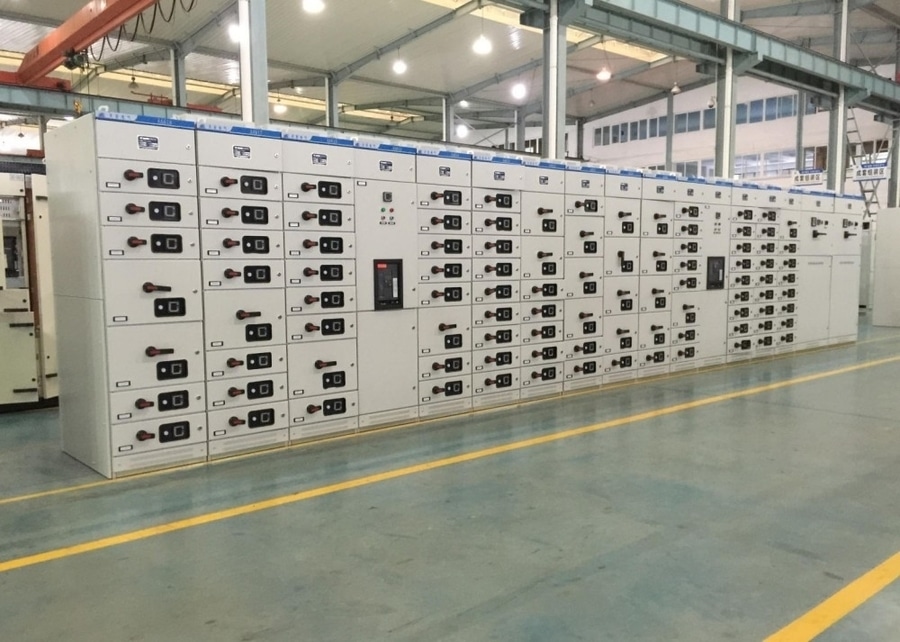
Low Voltage Switchgear (Motor Control Center, MCC) for centralized motor operation
Low Voltage Switchgear (Motor Control Center, MCC)
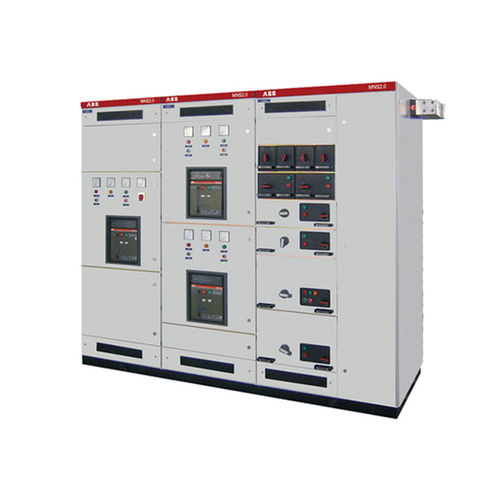
A Low Voltage Motor Control Center (MCC) is a type of low-voltage switchgear assembly designed to centrally control, protect, monitor, and distribute electrical power to multiple motors and associated loads. It integrates motor starters, circuit breakers, protection devices, control equipment, and automation components into a single modular enclosure.
LV MCCs are widely used in industrial plants, power stations, water treatment facilities, oil & gas facilities, mining operations, manufacturing factories, and large commercial buildings where multiple electric motors require centralized control and protection.
Main Features
·Rated voltage: ≤1000V AC (commonly 400V, 415V, 480V, 690V)
·Centralized motor control and power distribution
·Modular cubicle construction
·Fixed or withdrawable units
·High operational safety
·Easy maintenance and expansion
·Integrated protection and automation
·Compatible with PLC, DCS, and SCADA systems
·Arc-resistant construction available
Typical MCC Sections
A complete LV MCC lineup may include:
1.) Incoming Power Section
Functions:
·Main power incoming connection
·Main circuit breaker
·Power metering
·Surge protection
·Power monitoring
·Typical devices:
·Air Circuit Breaker (ACB)
·Molded Case Circuit Breaker (MCCB)
·Power meter
·CTs
2.) Motor Feeder Section
Provides:
·Motor switching
·Overload protection
·Short-circuit protection
·Motor isolation
Typical components:
·Contactor
·Thermal overload relay
·Motor protection relay
·MCCB/MCB
·Soft starter
·Variable Frequency Drive (VFD)
3.) Control Section
Includes:
·PLC interface
·Control relays
·Terminal blocks
·Communication modules
·Local control switches
·Indicator lamps
4.) Distribution Section
Used for:
·Auxiliary loads
·Lighting circuits
·Small power feeders
·Control power supplies
Typical Technical Specifications
·Rated Voltage: 400V / 415V / 480V / 690V AC
·Rated Frequency: 50/60 Hz
·Main Busbar Current: 630–6300 A
·Short-Time Withstand Current: 25–100 kA, 1 s
·Peak Withstand Current: 52–220 kA
·Motor Starter Rating: Up to several MW (application dependent)
·Protection Degree: IP31–IP65
·Installation: Indoor / Outdoor enclosure
·Form of Separation: Form 2 / Form 3 / Form 4
·Insulation Voltage: Up to 1000 V
·Applicable Standards: IEC 61439, IEC 60947
Main Components
Circuit Protection Devices
·Air Circuit Breaker (ACB)
·Molded Case Circuit Breaker (MCCB)
·Miniature Circuit Breaker (MCB)
Fuse protection
·Motor Control Devices
·Magnetic contactor
·Thermal overload relay
·Electronic motor protection relay
·Soft starter
·Variable Frequency Drive (VFD)
Measurement Devices
·Ammeter
·Voltmeter
·Power meter
·Energy meter
·Current transformer (CT)
Control & Automation
·PLC communication modules
·Remote I/O
Ethernet communication
·Fieldbus systems
·SCADA interface
Motor Starting Methods
Direct Online Starter (DOL)
Used for:
·Small motors
·Simple applications
Advantages:
·Simple design
·Low cost
·Easy maintenance
Star-Delta Starter
Used for:
·Medium-size motors
Advantages:
·Reduced starting current
·Lower mechanical stress
Soft Starter
Used for:
·Pumps
·Fans
·Compressors
Advantages:
·Smooth acceleration
·Reduced mechanical shock
Variable Frequency Drive (VFD)
Used for:
·Speed control applications
Advantages:
·Energy savings
·Precise motor control
·Process optimization
Working Principle
·Incoming low-voltage power enters the MCC through the main breaker.
·The main busbar distributes power to individual motor feeder compartments.
·Each feeder controls one motor or load.
·Protection devices monitor current, voltage, and motor conditions.
·During overload or fault conditions, the protective device disconnects the affected circuit.
·Control systems can operate motors locally or remotely through PLC/DCS/SCADA.
Advantages
Centralized Control
·All motors located in one electrical lineup
·Simplified operation and monitoring
·Reduced control wiring
Improved Safety
·Segregated compartments
·Safe isolation
·Mechanical interlocking
·Optional arc-flash protection
Easy Maintenance
·Withdrawable motor modules
·Quick replacement
·Reduced downtime
Flexible Expansion
·Additional motor feeders can be added
·Modular design supports future upgrades
Automation Ready
·PLC/DCS integration
·Remote operation
·Condition monitoring
Typical Applications
·Water and wastewater treatment plants
·Oil & gas facilities
·Chemical plants
·Steel mills
·Cement factories
·Mining operations
·Power generation plants
·HVAC systems
·Food processing plants
·Marine and offshore platforms
·Data center cooling systems
Applicable Standards
·IEC 61439 – Low-voltage switchgear and controlgear assemblies
·IEC 60947-1 – Low-voltage switchgear general requirements
·IEC 60947-2 – Circuit breakers
·IEC 60947-4-1 – Contactors and motor starters
·IEC 60529 – Enclosure protection (IP rating)
Typical Ratings Summary
·System Voltage: 400–690 V AC
·Main Bus Current: 630–6300 A
·Fault Level: 25–100 kA
·Motor Control: DOL / Star-Delta / Soft Starter / VFD
·Enclosure: Metal enclosed
·Protection: IP31–IP65
·Installation: Indoor / Outdoor
·Automation: PLC / DCS / SCADA
·Service Life: ≥25–30 years
A Low Voltage Motor Control Center (MCC) provides a complete solution for centralized motor operation, protection, and automation. Its modular construction, high safety level, and compatibility with modern control systems make it an essential component in industrial electrical distribution and process control applications.