
#Product Trends
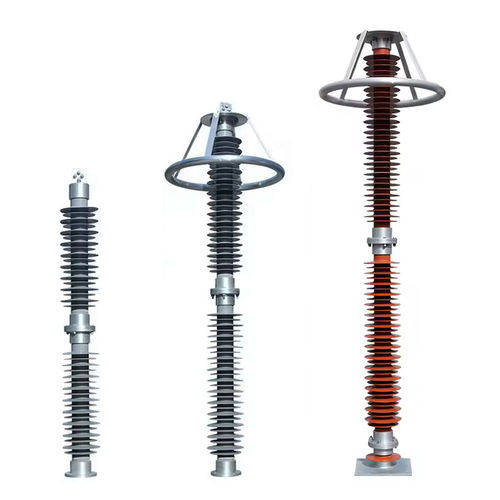
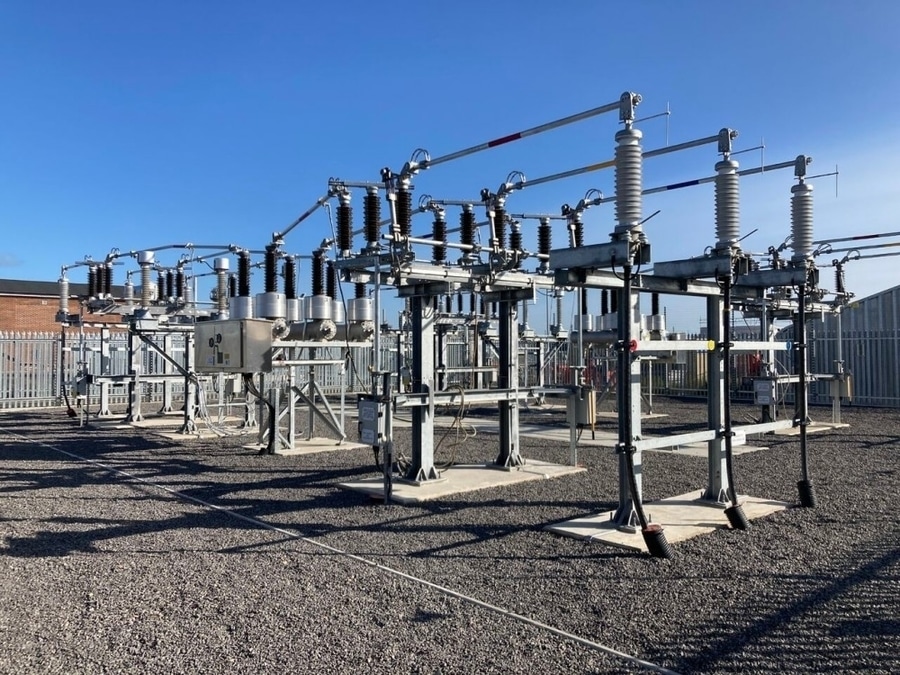
Polymer Housing Arrester with Zinc oxide (ZnO) surge protection technology
Polymer Housing Arrester
Polymer Housing Arrester, also known as a Polymer Surge Arrester or Polymer Metal Oxide Surge Arrester (MOA), is a protective device used in electrical power systems to protect transformers, switchgear, cables, transmission lines, and other electrical equipment from lightning surges and switching overvoltages.
Unlike traditional porcelain arresters, polymer arresters use a silicone rubber or composite polymer housing around zinc oxide (ZnO) metal oxide varistor (MOV) elements, providing lightweight construction, excellent pollution resistance, and improved outdoor performance.
Main Functions
·Surge Voltage Limiting: Restricts transient overvoltages caused by lightning and switching operations.
·Equipment Protection: Protects insulation systems of transformers, circuit breakers, CTs, VTs, cables, and generators.
·Surge Current Discharge: Provides a low-impedance path to earth during surge events.
·Insulation Coordination: Helps maintain safe insulation levels within power systems.
Typical Applications
·Outdoor substations
·Distribution networks
·Transmission lines
·Transformer protection
·Switchgear protection
·Cable termination protection
·Renewable energy plants
·Railway traction systems
·Industrial power systems
Typical Technical Specifications
·Rated Voltage: 3 kV – 420 kV
·Maximum Continuous Operating Voltage (MCOV): According to system voltage
·Nominal Discharge Current: 5 kA / 10 kA / 20 kA
·Impulse Current Class: Class 1, 2, 3, 4
·Housing Material: Silicone rubber / composite polymer
·Protection Element: Zinc Oxide (ZnO) MOV
·Installation: Outdoor
·Frequency: 50 Hz / 60 Hz
·Mounting: Vertical or horizontal depending on design
Construction
A typical polymer housing arrester consists of:
1. Polymer Silicone Rubber Housing
·Provides external insulation
·Lightweight compared with porcelain
·Excellent hydrophobic properties
·High resistance to pollution and moisture
·Resistant to UV aging
2. Zinc Oxide (ZnO) Metal Oxide Elements
·Provide non-linear voltage-current characteristics
·Conduct surge current during overvoltage events
·Maintain high resistance during normal operation
3. Fiberglass Reinforced Core Rod
·Provides mechanical strength
·Supports internal arrester elements
·Improves resistance to mechanical stress
4. Sealing System
·Prevents moisture ingress
·Maintains internal insulation reliability
5. Pressure Relief System
·Provides controlled pressure release during internal faults
Operating Principle
Normal Operation
·The arrester remains in a high-resistance state.
·Only a small leakage current flows to earth.
During Surge Conditions
·Lightning or switching surge increases system voltage.
·ZnO elements become conductive.
·Surge current is discharged safely to ground.
·Residual voltage is limited to protect connected equipment.
·The arrester returns to normal insulation condition after the surge.
Advantages
·Lightweight and easy installation
·Excellent pollution performance
·Superior hydrophobic surface properties
·High resistance to moisture and contamination
·Reduced risk of explosive failure compared with porcelain types
·High mechanical shock resistance
·Better seismic performance
·Long service life
·Suitable for coastal and industrial environments
Common Types
Distribution Class Polymer Arrester
·Used in distribution networks
·Protects transformers and overhead lines
·Common voltage range: 3–36 kV
Intermediate Class Polymer Arrester
·Used in industrial substations
·Medium-energy discharge capability
Station Class Polymer Arrester
·Used in high-voltage substations
·Protects major transformers and transmission equipment
Gapless Metal Oxide Polymer Arrester
·Modern design
·Faster response
·Lower residual voltage
·Higher reliability
Applicable Standards
·IEC 60099-4 – Metal-oxide surge arresters without gaps for AC systems
·IEEE C62.11 – Metal-Oxide Surge Arresters for AC Power Circuits
·IEC 60099-5 – Selection and application recommendations for surge arresters
Typical Applications by Industry
·Electric Utilities: Substation and line surge protection
·Renewable Energy: Wind turbine and solar collector protection
·Industrial Plants: Transformer and switchgear protection
·Mining: Outdoor distribution networks
·Oil & Gas: Process power systems
·Railways: Traction power surge protection
·Commercial Infrastructure: Medium-voltage distribution protection
Key Features
·Silicone rubber composite housing
·Zinc oxide (ZnO) surge protection technology
·High discharge capability
·Excellent environmental resistance
·Low residual voltage
·Compact and lightweight design
·Safe failure characteristics
·Maintenance-free operation
·Suitable for medium- and high-voltage power systems
·Compliant with IEC 60099-4 and IEEE C62.11 standards