
#Product Trends
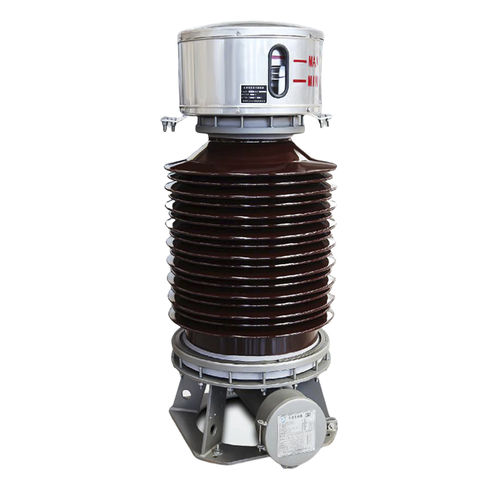
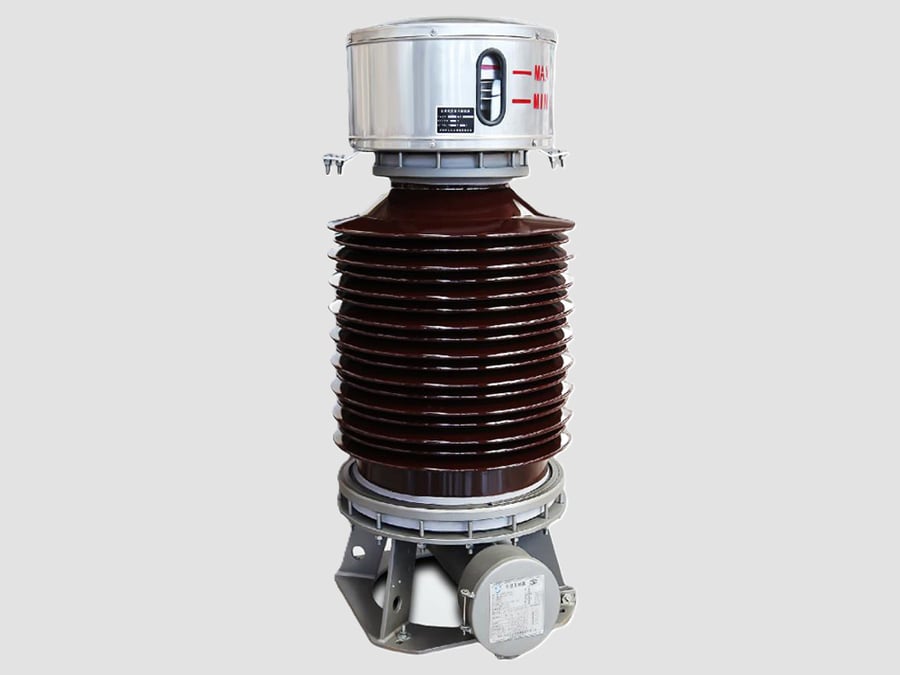
72.5kV Inductive Voltage Transformer
72.5kV PT
72.5kV Inductive Voltage Transformer (IVT), also known as a Potential Transformer (PT) or Voltage Transformer (VT), is a high-voltage instrument transformer designed to accurately reduce system voltages up to 72.5 kV to standardized low-voltage values for metering, protection, monitoring, and control. It provides electrical isolation between the high-voltage power network and secondary equipment, ensuring both measurement accuracy and operator safety.
Working Principle
A 72.5kV inductive voltage transformer operates based on the principle of electromagnetic induction. The primary winding is connected across the high-voltage system, inducing a proportional voltage in the secondary winding according to the turns ratio.
Main Components
·High-voltage primary winding
·One or more secondary windings (metering and protection)
·Laminated silicon steel magnetic core
·Oil-paper or SF6-free insulation system (depending on design)
·Porcelain or composite silicone rubber insulator housing
·Primary high-voltage terminal
·Secondary terminal box
·Earthing terminal
·Pressure relief device (oil-filled designs)
·Mounting base
Typical Technical Specifications
·Highest System Voltage: 72.5 kV
·Rated Primary Voltage: 66 kV or 69 kV
·Rated Secondary Voltage: 100 V, 110 V, 100/√3 V, 110/√3 V
·Frequency: 50 Hz / 60 Hz
·Accuracy Class: 0.1, 0.2, 0.5, 3P, 6P
·Rated Burden: 25–200 VA
·Rated Voltage Factor: 1.2 continuous, 1.5 for 30 s or per standard
·Insulation Level: 140/325 kV (Typical)
·Cooling: Natural Oil-Air (ONAN) or Dry Type
·Installation: Outdoor
Applications
A 72.5kV inductive voltage transformer is commonly used in:
·Transmission substations
·Distribution substations
·Utility switching stations
·Industrial substations
·Renewable energy substations
·Wind farms
·Solar power plants
·High-voltage switchyards
Advantages
·High measurement accuracy
·Excellent dielectric insulation
·Reliable long-term operation
·Strong resistance to environmental conditions
·Low maintenance requirements
·High mechanical strength
·Suitable for both metering and protective relaying
Typical Secondary Outputs
Common secondary voltages include:
·100 V
·110 V
·100/√3 V
·110/√3 V
These outputs are used with:
·Revenue energy meters
·Protective relays
·Synchronizing equipment
·SCADA systems
·Power quality analyzers
·Digital fault recorders
Common Standards
A 72.5kV inductive voltage transformer is generally designed and tested in accordance with:
·IEC 61869-3 – Instrument Transformers – Additional requirements for Inductive Voltage Transformers
·IEC 61869-1 – General requirements
·IEEE C57.13 – IEEE Standard Requirements for Instrument Transformers
·IEC 60044-2 (legacy standard, superseded by IEC 61869)
Typical Applications in a 72.5kV Substation
·Busbar voltage measurement
·Transmission line voltage monitoring
·Revenue metering
·Distance and overvoltage protection
·Synchronizing and auto-reclosing
·SCADA and remote monitoring
·Fault recording
·Power quality monitoring
A 72.5kV Inductive Voltage Transformer is an essential component in high-voltage substations, providing a precise, isolated, and scaled representation of system voltage for reliable metering, protection, automation, and control while ensuring safe operation of secondary equipment.