
#Product Trends
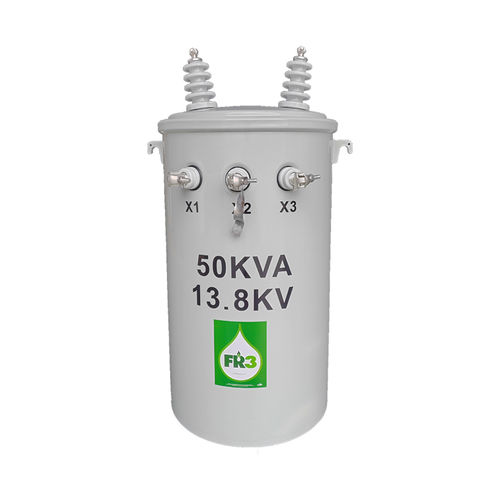
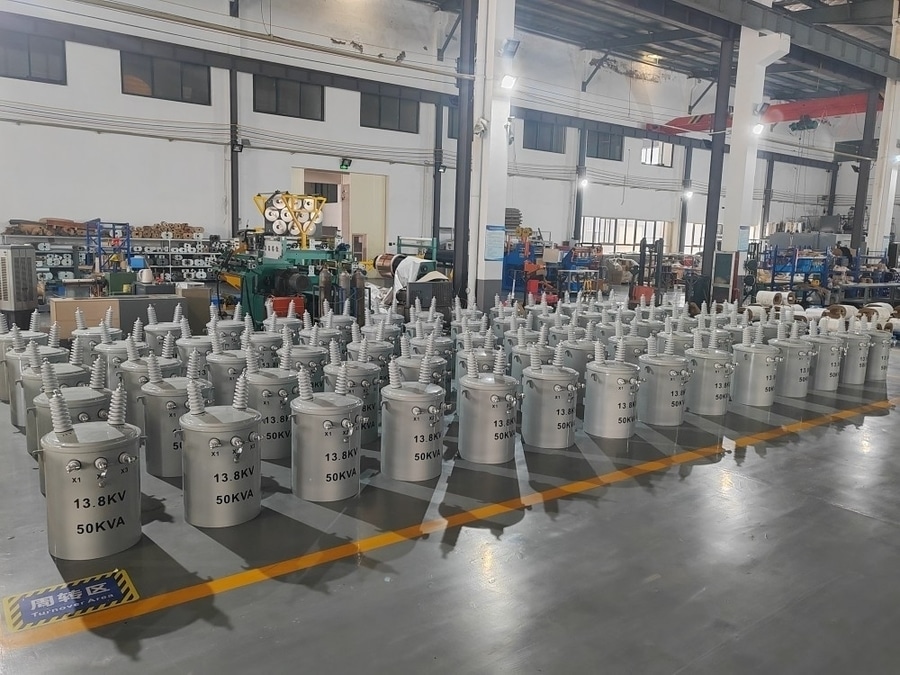
Single Phase Overhead Transformer used on overhead electrical distribution systems
Single Phase Overhead Transformer
Single-Phase Overhead Transformer is a pole-mounted distribution transformer used on overhead electrical distribution systems to step down medium-voltage electricity to low-voltage service for residential, rural, agricultural, and light commercial customers. These transformers are compact, weather-resistant, and designed for continuous outdoor operation.
Typical Specifications
·Primary Voltage: 2.4–34.5 kV (commonly 7.2 kV, 11 kV, 12.47 kV, 13.2 kV, 13.8 kV, 22 kV, 33 kV)
·Secondary Voltage: 120/240 V, 230 V, 240 V, or 400/230 V (where applicable)
·Rated Power: 5–500 kVA
·Frequency: 50 Hz or 60 Hz
·Number of Phases: Single-phase
·Cooling Method: ONAN (Oil Natural Air Natural)
·Insulation: Mineral oil or natural/synthetic ester fluid
·Mounting: Pole-mounted
·Tap Changer: Off-circuit tap changer (typically ±2 × 2.5% or ±5%)
Common Power Ratings
Typical standard capacities include:
·5 kVA
·10 kVA
·15 kVA
·25 kVA
·37.5 kVA
·50 kVA
·75 kVA
·100 kVA
·167 kVA
·250 kVA
·333 kVA
·500 kVA
Common Voltage Ratios
Examples include:
·11 kV / 230 V
·11 kV / 120/240 V
·12.47 kV / 120/240 V
·13.8 kV / 120/240 V
·22 kV / 230 V
·33 kV / 240 V
Main Components
·Laminated magnetic core
·High-voltage winding
·Low-voltage winding
·Sealed steel tank
·Insulating oil
·Cooling fins
·High-voltage bushing
·Low-voltage bushings
·Pressure relief device
·Lifting lugs
·Grounding terminal
·Nameplate
Applications
·Residential overhead distribution
·Rural electrification
·Farms and agricultural facilities
·Small commercial buildings
·Street lighting
·Water pumping stations
·Remote communities
Advantages
·Compact and lightweight design
·Cost-effective installation on utility poles
·Reliable outdoor operation
·Minimal maintenance requirements
·Suitable for radial overhead distribution systems
·Easy replacement and servicing
Protection Features
Typical protection includes:
·High-voltage expulsion fuse
·Current-limiting fuse (where required)
·Lightning/surge arrester
·Pressure relief device
·Grounding connection
·Overcurrent protection provided by upstream devices
Routine Factory Tests
Manufacturers typically perform:
·Winding resistance measurement
·Voltage ratio verification
·Insulation resistance test
·No-load loss and excitation current
·Load loss and impedance measurement
·Applied AC withstand voltage test
·Induced overvoltage test
·Leak test
·Insulating oil dielectric strength test (oil-filled units)
Applicable Standards
·IEC 60076 – Power Transformers
·IEEE C57.12.20 – Requirements for overhead-type distribution transformers
·IEEE C57.12.90 – Test code for liquid-immersed transformers
·IEC 60296 – Mineral insulating oils
Typical Installation
A single-phase overhead transformer is generally mounted on a utility pole and connected as follows:
1.Medium-voltage overhead line connects to the primary bushing through a fuse and surge arrester.
2.The transformer steps the voltage down to the required service voltage.
3.The low-voltage secondary supplies nearby homes or small businesses.
4.The transformer tank is bonded to the grounding system for safety.
Typical Performance
·Efficiency: 98.5–99.5%
·Cooling: Natural oil and air (ONAN)
·Service Life: 25–40 years
·Installation: Outdoor, pole-mounted
·Maintenance: Periodic visual inspection and electrical testing
Single-phase overhead transformers are among the most widely used distribution transformers in overhead utility networks. They provide an economical and dependable solution for supplying low-voltage power to individual homes, farms, small businesses, and rural communities from medium-voltage distribution feeders.