#Industry News
The fascination of acoustics
... in this parking garage, everyone sees the light
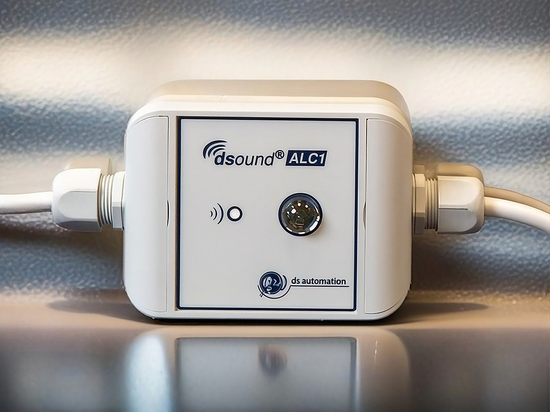
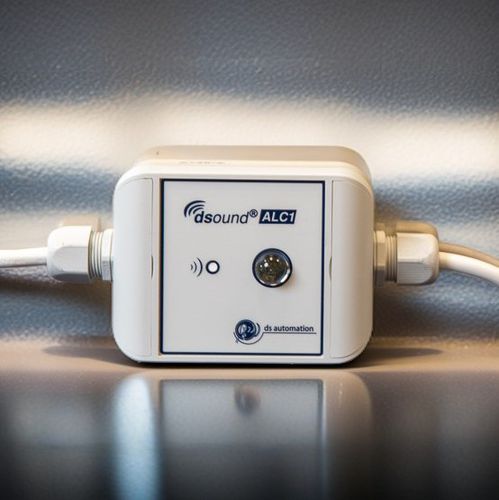
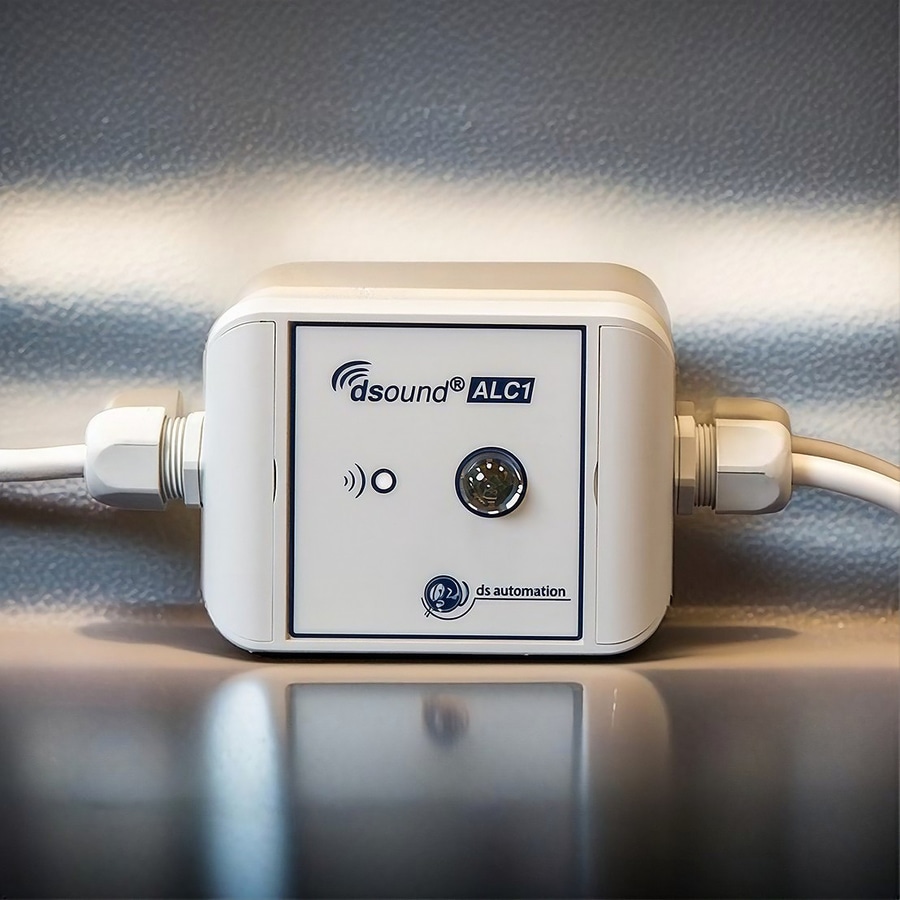
With the dsound® ALC1, ds automation is now launching the first acoustic lighting control system that can be integrated into existing installations without additional devices and directly switches lighting circuits with a capacity of up to 3,700 watts.
With its sensors, ds automation is a leader in the field of acoustic quality monitoring and has already set new technological standards across many industries. Now, the company is presenting the first generation of sensors specifically designed and developed for the needs of the parking garage sector.
"The core problem is simple to describe," explains Managing Director Lars Dittmar. A constantly illuminated parking garage, especially when only temporarily occupied, generates disproportionately high energy costs.
Retrofitting to LED technology still involves high acquisition and installation costs and only becomes cost-effective after a minimum number of lighting hours, the graduate engineer continues. Even though modern LED lighting can save 40–60 percent of energy costs compared to conventional fluorescent tubes, using the ALC1 acoustic lighting control quickly pays off. Even the remaining electricity costs allow the investment to be amortized within a few months—and this applies even with a switch-off time of only 20 percent. Lighting control with motion detectors or radar sensors proves impractical and expensive due to the structural conditions in parking garages and their limited range.
1 sensor for 1,500 sqm at DAK: Initial applications at DAK-Leben have shown that a single ALC1 can reliably monitor a parking area of up to 1,500 square meters acoustically. "I would never have believed the claim that movement is actually audible. Depending on usage frequency, we estimate an energy-saving potential of up to 50 percent," comments Mr. Kienke, Head of Facility Management at DAK.
Thanks to programmable sensitivity, special filtering technology, and ambient light measurement, the ALC1 is also suitable for installations with daylight exposure and background noise, such as traffic noise. The ALC1 is also available in a version for integration into central lighting control systems and with a monitoring output for safety-critical installations.