#Product Trends
Metal Chip Wringer / Spinner / Centrifuge – High-Efficiency Oil & Coolant Removal
Efficient metal chip wringer using high-speed centrifugal separation to recover cutting fluids and produce clean, dry metal scrap. Suitable for steel, aluminum, titanium, and more. Reduces costs, supports recycling, and enhances sustainability ..
Metal Chip Wringer (Spinner/Centrifuge): Efficient Fluid Recovery and Scrap Cleaning Solution
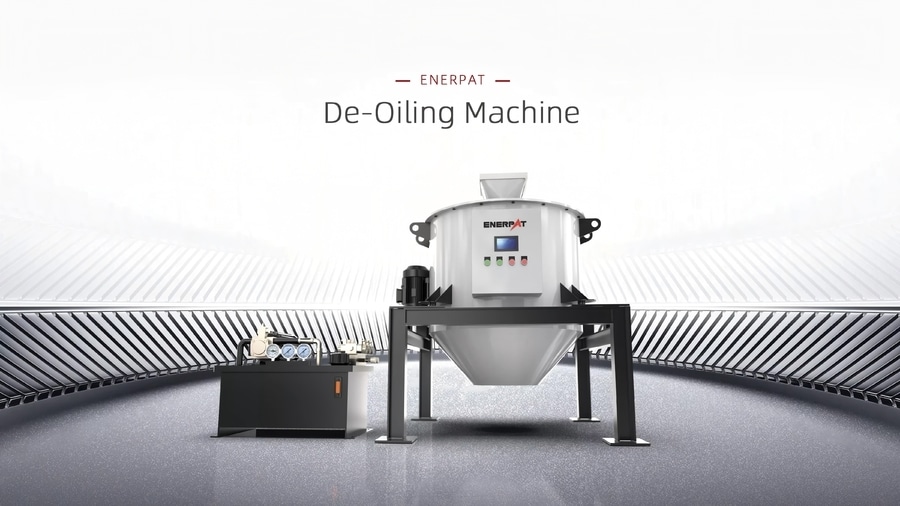
The metal chip wringer—also known as a metal chip spinner or centrifuge—is engineered to efficiently separate cutting oil, coolant, and other fluids from machining scrap. Utilizing high-speed centrifugal separation, it delivers clean, dry metal chips ready for direct recycling, while simultaneously recovering valuable fluids for reuse. This process not only minimizes waste but also reduces operating costs and advances sustainable manufacturing practices.
How It Works: Centrifugal Solid-Liquid Separation
The core component is a perforated rotating drum operating at speeds between 1,200 and 1,400 RPM (Enerpat models can reach up to 1,500 RPM). The process involves:
Feeding: Machining chips are loaded into the rotating drum.
High-Speed Spinning: Centrifugal force drives residual oil or coolant away from the chip surfaces.
Fluid Collection: Extracted fluids pass through fine perforations into a sealed collection chamber.
Automatic Discharge: Clean, dry chips exit through a bottom outlet, ready for storage or transport.
This method achieves an oil recovery rate exceeding 95% (up to 97% with Enerpat units), leaving residual oil content as low as 3%, depending on chip type and material.
Key Benefits
High Oil Recovery: Recovered fluids can be reused directly in machining, significantly lowering coolant purchase costs.
Environmental Compliance: Fully enclosed systems minimize VOC emissions, helping meet ISO 14001 environmental standards.
Versatile Processing: Suitable for steel, cast iron, aluminum, brass, copper, titanium, and stainless steel chips.
Automated Control: PLC and touchscreen interfaces allow precise adjustment of spin time and speed to match various materials.
Durable Construction: Corrosion-resistant options available for handling emulsions or aggressive fluids.
Applications
Automotive & Gear Manufacturing: Produces clean scrap ideal for remelting without contaminating furnaces.
Aerospace & Medical Machining: Processes high-value alloys like titanium and 316L stainless steel without chemical additives.
Electronics & Semiconductor Fabrication: Manages aluminum wafer-cutting chips efficiently, with optional HEPA filtration for particle control.
Environmental & Economic Impact
Coolant Savings: Reclaimed cutting fluids reduce the need for fresh coolant purchases.
Lower Waste Disposal Costs: Dry chips are easier to handle, transport, and sell as scrap.
Sustainability: Supports ESG objectives by promoting resource recovery and reducing landfill waste.
Selection Guide
Material Type: Magnetic models are ideal for ferrous chips; high-speed centrifugal models suit non-ferrous materials.
Production Volume: Choose compact batch units for small-scale operations and continuous-feed models (such as those from Enerpat) for high-volume production.
Final Takeaway
A metal chip wringer (spinner/centrifuge) is more than just a fluid removal device—it’s a powerful tool for boosting profitability and enabling sustainable manufacturing. By transforming oily scrap into high-value clean metal and reclaiming cutting fluids, these machines play a vital role in lean production environments.
Pro Tip: Always request a test run with your actual chip material from your supplier (e.g., Enerpat) to confirm oil removal efficiency before purchasing.