#Product Trends
How an Indiana Machine Shop Solved Oily Stringy Chips and Low Scrap Value with Metal Chip Briquetting
Indiana machine shop improves scrap value and coolant recovery with the ENERPAT BM-570 metal chip briquetter, reducing oily chip volume and optimizing CNC scrap recycling.
【 What happens to your metal chips after machining?】
For many machine shops, chips are simply collected in drums and sold as scrap. But loose, oily chips can create hidden costs through lost coolant, low scrap prices, and excessive storage space.
A precision machining shop in Brazil faced exactly these problems. Their Swiss CNC lathes produced long, stringy chips saturated with cutting oil. Copper chips brought low scrap value because they were loose and difficult to handle. At the same time, 55-gallon drums were taking over valuable floor space.
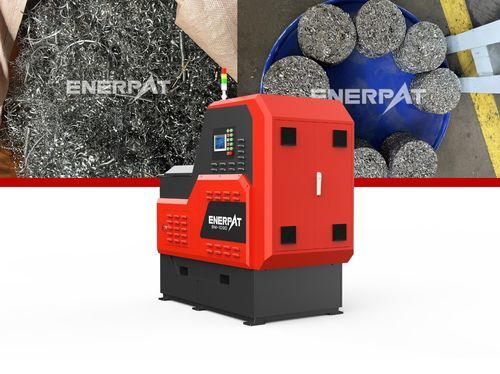
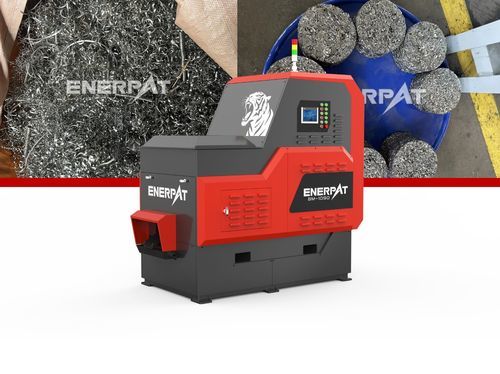
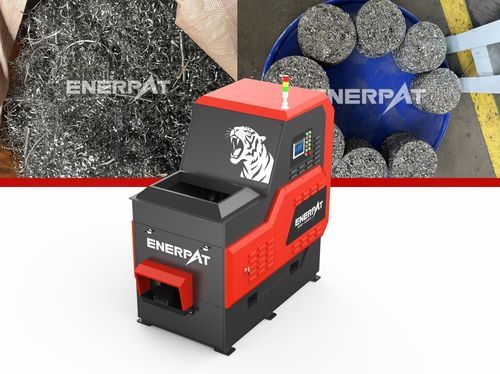
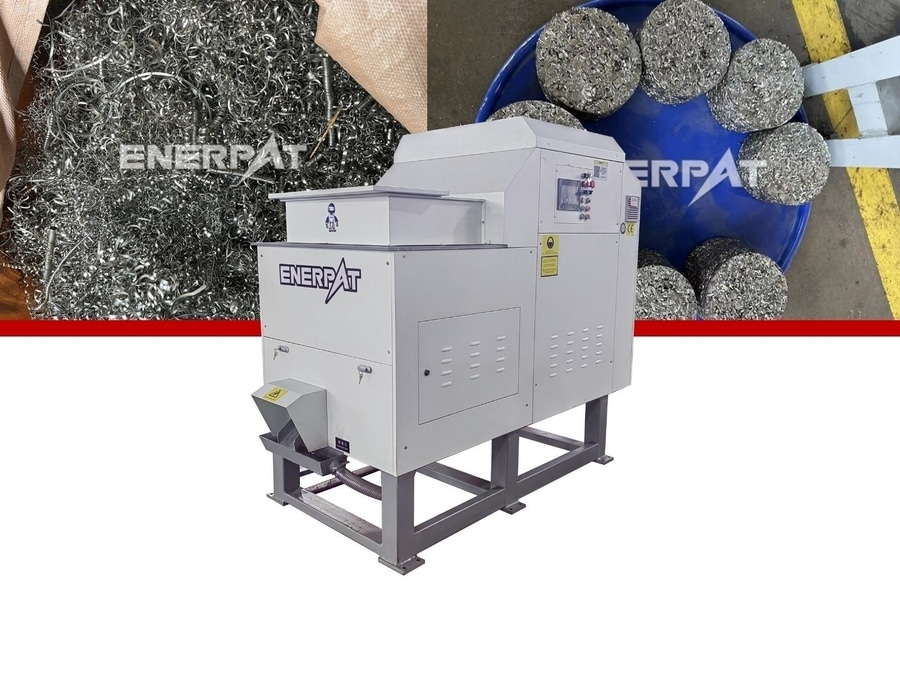
The shop decided to install an ENERPAT USA
BM-570 metal chip briquetter to improve chip handling and recover value from scrap.
【The Challenges】
1. Cutting Oil Lost with Scrap
The shop’s chips contained large amounts of residual cutting oil. Instead of being reused, the oil left the facility inside scrap drums.
This increased coolant replacement costs and created additional disposal concerns for oily metal chips.
2. Low Scrap Value for Copper Chips
Copper is valuable, but loose copper chips are heavily discounted by recyclers because they contain trapped oil and large amounts of empty space.
The shop needed a way to increase chip density and improve scrap quality.
3. Excessive Drum Storage
Loose chips filled drums quickly, requiring constant handling by forklift. Multiple drums occupied production space throughout the shop.
The chip handling process had become both a storage problem and a labor issue.
【Why the Shop Chose the BM-570】
The shop selected the BM-570 briquetter from ENERPAT America for several reasons:
1.Machine available from U.S. inventory
2.Material testing completed before purchase
3.Ability to process moderate stringy chips
4.U.S.-based installation and technical support
5.Suitable for intermittent weekly operation
Before delivery, the shop sent actual production chips for testing to confirm machine performance with their material mix.
【How the System Works】
The operating process is straight forward:
1.Chips are collected from CNC machines
2.Chips are loaded into the BM-570
3.Hydraulic compression forms dense briquettes
4.Cutting oil is squeezed out during compression
5.Oil is collected for reuse or filtration
The result is a dense, dry briquette that is easier to store, transport, and recycle.
【Reported Improvements】
After installation, the shop reported several operational improvements:
1.Reduced chip storage volume
2.Recovery of cutting oil previously lost with scrap
3.Improved scrap value for copper chips
4.Fewer drum changes and forklift movements
5.Cleaner and more organized production areas
The BM-570 currently handles the shop’s weekly chip output without additional processing equipment.
【Future Expansion】
Some of the shop’s chips remain very long and tangled. To improve feeding efficiency further, the shop is considering adding a pre-shredder ahead of the briquetter.
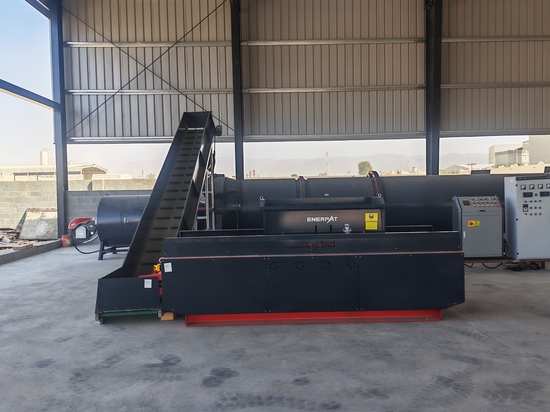
ENERPAT America also supplies shredders, conveyors, and coolant recovery systems for complete chip processing lines.
【Conclusion】
Loose oily chips are more than just scrap. They contain reusable coolant, occupy valuable floor space, and often reduce recycling revenue.
For this Indiana machine shop, metal chip briquetting improved chip handling, reduced waste volume, and increased the value of recyclable material.
As more manufacturers focus on coolant recovery and scrap optimization, briquetting is becoming an increasingly practical solution for CNC machining operations handling aluminum, copper, stainless steel, and alloy steel chips.