#Product Trends
Semi-Automatic Horizontal Baler for Plastic Recycling in Mexico
Plastic recycling plant in Jalisco, Mexico improved PET bottle processing efficiency using a semi-automatic horizontal baler for plastic recycling, achieving 2 tons/hour stable output and reducing logistics costs.
Plastic Recycling Bottlenecks in Mexico: The Real Operational Problem
Plastic recyclers in Mexico, especially those processing PET bottles and HDPE containers, face a common challenge: high volume, low density materials that are difficult to process efficiently.
Key operational issues include:
Warehouse congestion due to low-density loose plastics
High transportation cost per ton, because trucks are filled by volume, not weight
Low processing efficiency when using outdated vertical balers
Unstable production output caused by frequent equipment downtime
High labor dependency in feeding, sorting, and tying operations
In real recycling operations, the bottleneck is not material supply — it is continuous high-volume densification capacity.
Customer Background: Plastic Recycling Plant in Jalisco, Mexico
The customer is a mid-to-large plastic recycling facility located in Jalisco, Mexico, specializing in:
PET beverage bottles
HDPE containers
Mixed lightweight plastic waste
Before upgrade, the plant faced:
Output limitation below market demand
Frequent breakdowns in old baling equipment
Severe warehouse space pressure
Rising labor and logistics costs
Difficulty maintaining stable delivery schedules
Target requirement:Achieve stable 2 tons/hour PET bottle processing capacity with long-term operational stability.
Equipment Selection Criteria in the Mexican Recycling Market
Unlike highly automated markets, Mexican recycling operators prioritize practical ROI over theoretical automation.
The customer evaluated equipment based on four core factors:
1. Operational Stability in Harsh Environments
Dust, continuous operation, and heavy loads require robust hydraulic systems.
2. Local Service & Spare Parts Availability
Fast maintenance response is critical to avoid production downtime.
3. Verified Real-World Capacity
Only real operational data (not catalog specs) is trusted.
4. Peer Reference & On-site Verification
Customer required visiting existing installations before purchase decision.
ENERPAT Semi-Automatic Horizontal Baler Solution
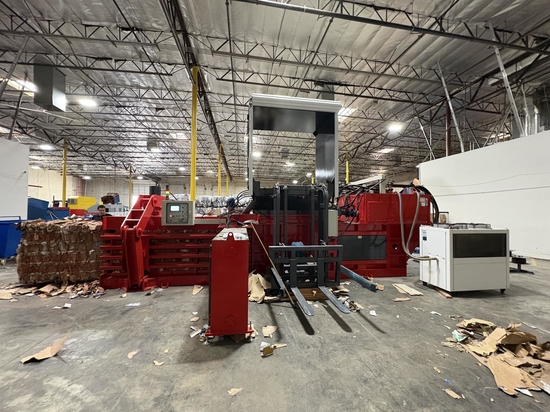
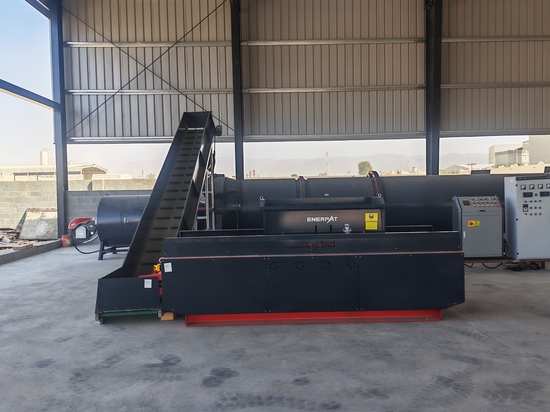
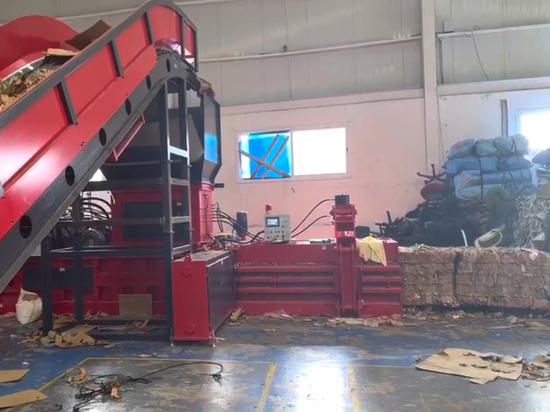
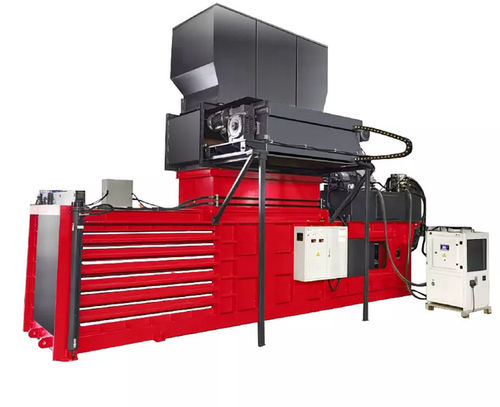
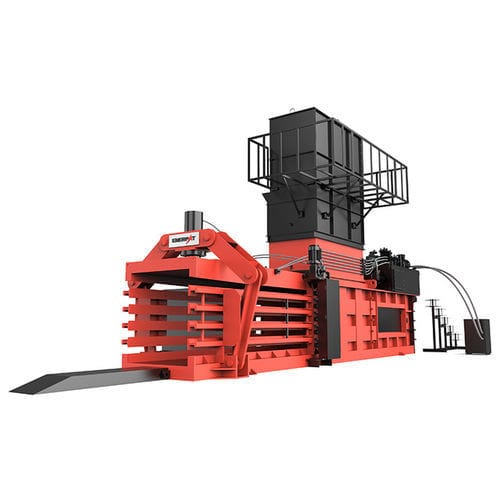
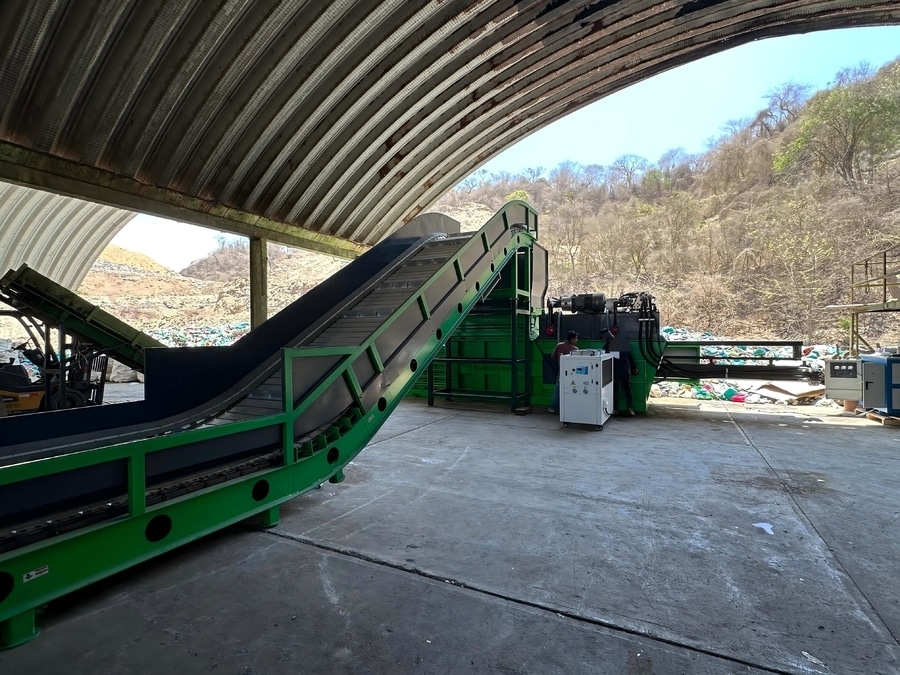
To meet these requirements, ENERPAT provided a semi-automatic horizontal baler system optimized for continuous plastic recycling operations.
Key Technical Advantages
✔ Continuous Feeding System
Enables uninterrupted processing of loose PET bottles.
✔ Reinforced Hydraulic Design
Built for long-cycle, high-load industrial environments.
✔ Stable High-Density Baling Output
Improves material density for transportation and resale value.
✔ Semi-Automatic Operation Mode
Reduces labor dependency in feeding and tying processes.
Engineering Data (Performance Reference)
Processing capacity: 2 tons/hour (PET bottles)
Operation mode: Semi-automatic continuous feeding
Application materials: PET, HDPE, mixed plastic bottles
Output: High-density compressed bales suitable for logistics optimization
Why the Customer Chose ENERPAT
The decision was finalized after real on-site validation in Mexico.
Key decision factors:
Stable operation in local recycling environment
Verified production line performance in existing customer site
Strong local after-sales support team in Mexico
Fast spare parts supply capability
Reliable long-term operational feedback from peer users
The final confirmation came after the customer visited an active ENERPAT installation and validated:
Continuous feeding stability
Bale density consistency
Operator workload reduction
Real daily output performance
Implementation Results After Installation
After deployment, the plant achieved significant operational improvements:
✔ 1. Stable Production Capacity
Achieved consistent 2 tons/hour PET bottle processing capacity.
✔ 2. Reduced Warehouse Pressure
High-density baling significantly reduced storage space requirements.
✔ 3. Lower Logistics Cost per Ton
Compact bales improved truck loading efficiency and reduced transport frequency.
✔ 4. Reduced Labor Cost
Semi-automatic operation reduced manual handling requirements.
✔ 5. Improved Operational Stability
Reduced downtime and improved production continuity.
Before vs After Comparison
Item Before Upgrade After ENERPAT Baler
Capacity Unstable, below demand Stable 2 tons/hour
Labor Requirement High Reduced
Storage Space Congested Optimized
Logistics Cost High per ton Reduced per ton
Equipment Stability Frequent downtime Continuous operation
Industry Insight: Mexico Plastic Recycling Equipment Trends
The Mexican recycling market is increasingly shifting toward:
Stable continuous processing systems
Semi-automatic horizontal balers
Locally supported equipment suppliers
Real performance-based purchasing decisions
ROI-driven equipment selection
The key trend is clear:
Reliability and real output matter more than automation complexity.
FAQ
What is the capacity of a semi-automatic horizontal baler?
Most industrial semi-automatic horizontal balers can process 1–5 tons/hour depending on material type and system configuration.
Can this baler handle PET bottles and HDPE plastics?
Yes, it is widely used for PET bottles, HDPE containers, and mixed lightweight plastics.
What are the main advantages over vertical balers?
Horizontal balers offer continuous feeding, higher capacity, lower labor dependency, and better stability.
How does it reduce logistics costs?
By increasing material density, it improves truck loading efficiency and reduces transportation frequency.
Is local service available in Mexico?
Yes, ENERPAT provides local technical support and spare parts supply in Mexico.