#Product Trends
Why is it necessary to monitor indoor air quality in museums?
Protecting art by controlling indoor air quality
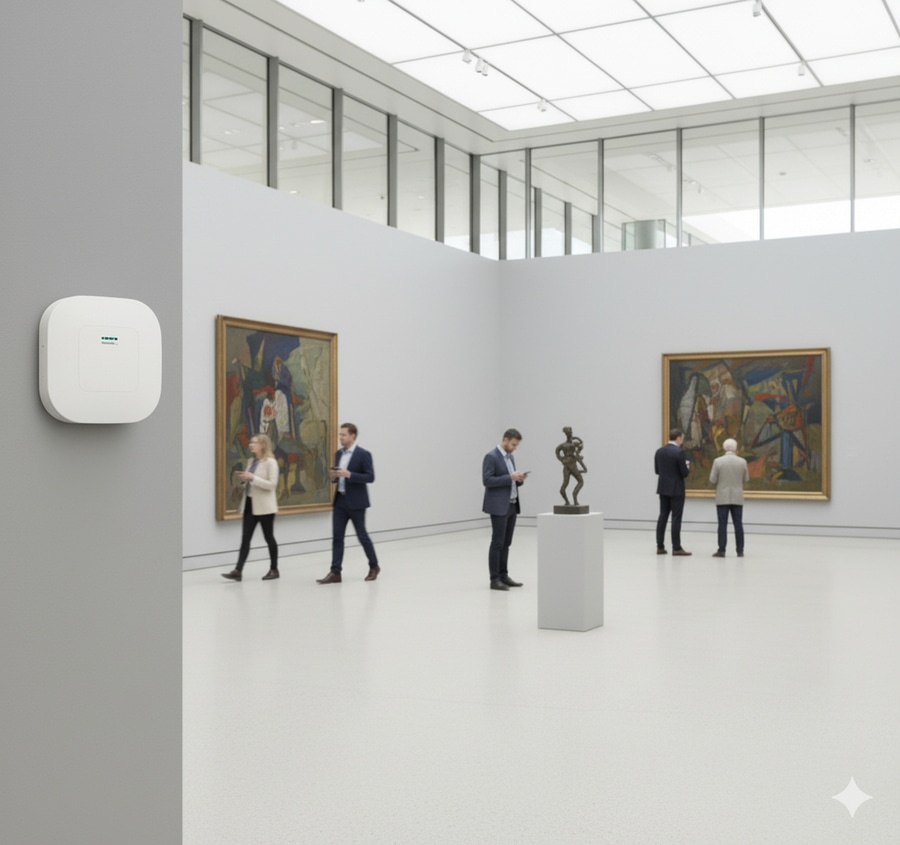
Museums are the custodians of our history and cultural heritage, institutions dedicated to preserving irreplaceable works of art and artefacts for future generations. In this mission, conservators battle against time, light and other factors of degradation. However, one of the most relentless and persistent enemies is invisible: the very atmosphere surrounding the pieces. Poor indoor air quality can cause slow, cumulative and irreversible damage, posing a direct threat to the survival of the legacy they protect.
The challenge for a museum is twofold. On the one hand, it must ensure a healthy and comfortable environment for the thousands of visitors and staff who pass through it every day, primarily by managing CO₂ levels, which skyrocket with the influx of people. But, even more critically, it must maintain a perfectly stable microclimate for the collection. Works of art, composed of sensitive organic and inorganic materials such as canvas, wood, paper or pigments, react adversely to environmental fluctuations.
The main factor to be controlled is relative humidity. Sudden variations cause hygroscopic (moisture-absorbing) materials to expand and contract, causing physical stresses that result in cracks, deformations and flaking of paint layers. Excess moisture, on the other hand, is the perfect condition for the development of mould and chemical reactions that irreversibly degrade materials. In addition to humidity, there are chemical pollutants, such as corrosive gases (sulphur dioxide and nitrogen oxides) from outside traffic, which can cause pigment discolouration and acidification of the substrates. Particulate matter (PM), in turn, is deposited on surfaces, causing abrasion and soiling that is very difficult and risky to remove.
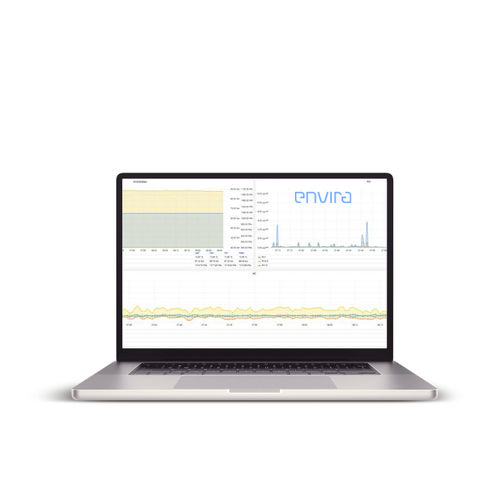
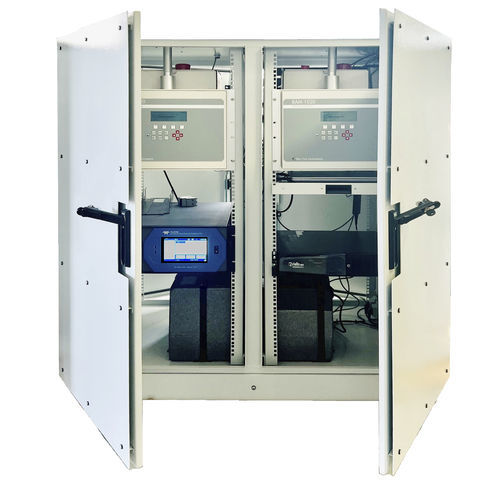
In this context, modern preventive conservation is based on continuous monitoring. The installation of high-precision sensors that measure temperature, relative humidity, gases and particles in real time is the only way to know the actual state of the environment. This data allows conservators and building managers to make informed decisions, adjust HVAC systems precisely and act before damage occurs, turning technology into the silent guardian that ensures art endures over time.