#Industry News
What is the best way to measure air pollution in the port?
Easily identify the main pollutants in the port environment
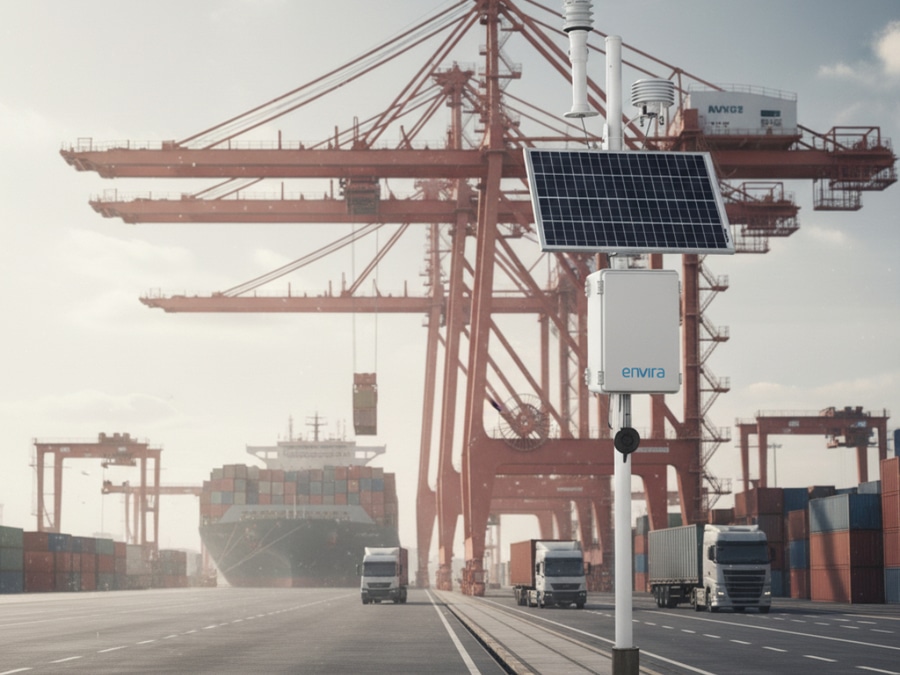
Ports are hubs of trade, but they are also significant sources of environmental pollution. Intense activity and the presence of diverse equipment generate multiple pollutants that affect health and the environment.
Sources of port pollution: Ships use heavy fuels that release sulphur oxides (SOx), nitrogen oxides (NOx) and CO2; Land vehicles (trucks, buses, loading equipment) emit NOx and CO; Loading/unloading operations for bulk materials (coal, minerals, grains) generate dust and suspended particles; Vehicle traffic, machinery and operations generate significant noise.
Pollution analysis: A complex process that requires identifying potential pollutants (vehicle emissions, machinery, ships, industrial facilities); conducting air quality sampling at multiple points with precise equipment measuring NOx, fine PM, SO2, VOCs and pollutant gases; evaluating noise using sound level meters at different locations; comparing values with applicable standards and regulations; conducting environmental impact assessments to identify problem areas and define corrective actions.
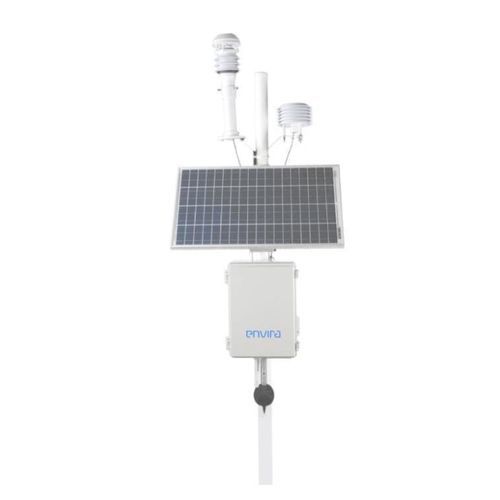
Sensors and equipment: Gas and particle analysers are used to monitor particulate matter, nitrogen oxides, sulphur dioxide, carbon monoxide, VOCs and noise integrated into air quality measurement stations. These sensors provide real-time information on air quality and help identify pollution problems.
Importance of accuracy: The data collected by sensors is processed and analysed to assess air quality and take measures to reduce pollution. However, accuracy and reliability vary depending on the type and quality of the sensors used. It is essential to use properly calibrated and validated equipment to obtain accurate, reliable measurements that are recognised by international port and environmental authorities.
A comprehensive monitoring strategy enables regulatory compliance, protection of workers and port communities, and improvement of the port's environmental sustainability.