#Product Trends
What is noise pollution and how is it measured?
Instruments for monitoring ambient noise
Acoustic contamination is one of the principal environmental problems in urban and industrial environments, impacting the health and quality of life of millions of people. Although frequently underestimated compared to other pollution types, its physiological and psychological consequences are as serious as any other environmental contamination form.
Noise pollution is defined as the presence in the environment of noises or vibrations that imply discomfort, risk or harm to people, the development of their activities, or that cause significant effects on the environment. This definition recognizes the phenomenon's gravity at regulatory level globally.
Health impact: Short-term, intense noise exposure causes stress, disrupts sleep, hinders concentration and affects cognitive performance, generating irritability, fatigue and anxiety. Long-term, chronic noise exposure can cause permanent hearing loss and significantly increases cardiovascular disease risk including hypertension, heart disease and stroke. These health consequences justify the imperative need to measure and control sound emissions maintaining them within established limit values.
Acoustic emission versus immission: Understanding the difference is fundamental. Acoustic emission is noise production at its source (motors, industrial machinery, air conditioning systems), while acoustic immission is noise reception and exposure at a specific location and its effect on people. Both are measured in decibels (dB) and are regulatory subject.
Primary sources: Multiple acoustic emitters exist: automobiles, railways, aircraft, road and rail infrastructure, machinery, construction activities, industrial/commercial activities, sport-recreational facilities and port infrastructure. All are obligated to respect established emission and immission limit values.
Measurement via acoustic indices: Experts utilize several parameters. L_A is sound pressure level; L_Aeq represents perceived sound energy over a time interval (most important for continuous noise); L_Amax and L_Amin are maximum and minimum in a period. For specific periods: L_d (day: 7-19h), L_e (evening: 19-23h), L_n (night: 23-7h). The L_den index combines all three periods for overall discomfort.
Measurement instruments: Sound meters (Class 1 more precise than Class 2) register sound pressure in determined intervals, enabling objective sound intensity measurements. Calibrators generate stable sound for adjusting sound meters to reference level and verifying post-measurement precision.
Control and regulation: Governments and local authorities establish noise mapping and ensure compliance according to applicable regulations. Control focuses on reducing emission at generating sources and protecting people via acoustic isolation, silent technologies and specific urban zone regulations.
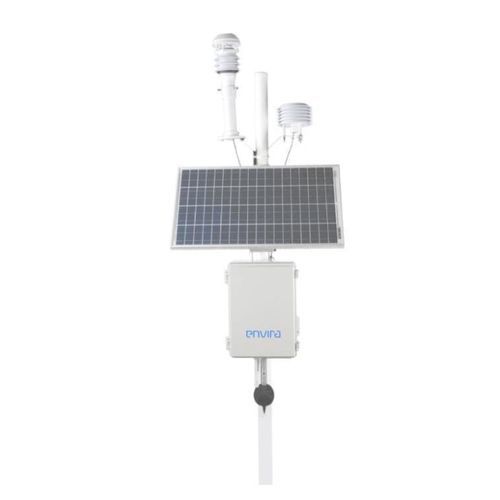
Modern solutions like Nanoenvi EQ integrate advanced sound meter with air quality sensors, enabling simultaneous real-time monitoring across diverse urban, industrial and transportation applications.