#Product Trends
Monitoring particulate matter in work environments
How to control airborne particles at work
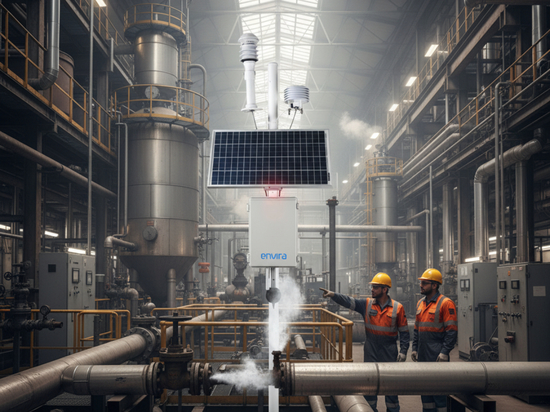
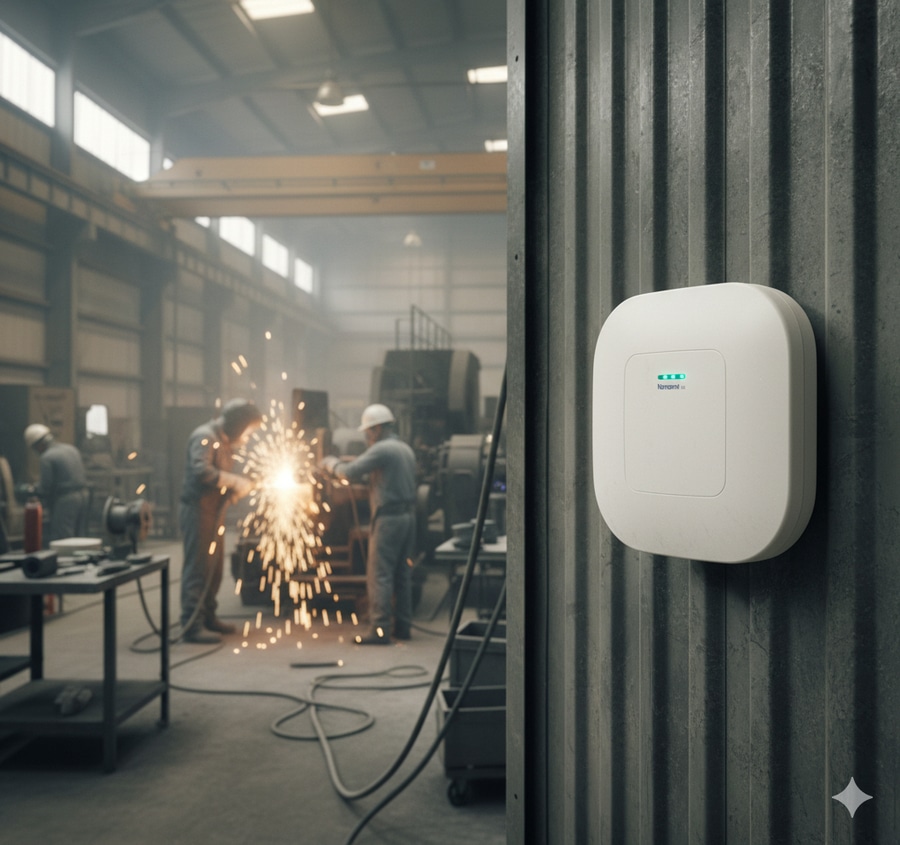
When we talk about occupational diseases, we often think of obvious risks such as accidents or exposure to harsh chemicals. However, one of the most widespread and underestimated dangers in the workplace is continuous exposure to particulate matter (PM). From silica dust on a construction site to toner microparticles in an office, or welding fumes in the metalworking industry, many workers breathe air laden with pollutants on a daily basis that can trigger serious long-term health problems.
The danger of these particles is closely linked to their size. The larger ones (PM10) are retained in the upper respiratory tract, causing irritation and classic occupational diseases such as industrial bronchitis. The real systemic threat, however, comes from fine (PM2.5) and ultrafine (PM1) particles. These are small enough to reach the pulmonary alveoli and, from there, pass directly into the bloodstream, turning a respiratory risk into an attack on the entire body.
Once in the circulation, these particles, produced by work activity, cause chronic inflammation that accelerates atherosclerosis and triggers the risk of cardiovascular accidents, one of the main causes of sick leave and mortality in the working population. But the damage does not stop there. Scientific evidence links this chronic occupational exposure to an increased risk of neurodegenerative diseases, as the particles can reach the brain, and to alterations in the reproductive system.
Monitoring air quality in the workplace is no longer just a comfort measure, but a fundamental tool for preventive medicine. Identifying and quantifying the presence of these particles allows companies to protect the health of their most valuable asset—their employees—reduce absenteeism, prevent occupational diseases, and comply with occupational risk prevention regulations, ensuring a truly safe and healthy working environment.