#Product Trends
Advantages of using IoT sensors for monitoring outdoor air quality
Why are low-cost sensors so useful for monitoring ambient air quality?
Outdoor air quality is a critical environmental challenge that requires innovative solutions. While traditional monitoring stations have been effective, their high maintenance costs and limited coverage make them insufficient for modern cities. Low-cost sensors have revolutionised environmental monitoring, allowing Smart Cities and Low Emission Zones (LEZs) to access air quality data in a practical and economical way.
These devices, defined by the World Meteorological Organisation as instruments with significantly lower initial costs (between £4,500 and £27,000 per reference sensor), have become a key complementary tool. Although their values do not match the accuracy of reference stations, they are a valuable source of environmental information when used properly.
These sensors offer multiple advantages. Firstly, they complement conventional networks by providing hyperlocal information that varies significantly even in nearby areas. Ambitious projects such as the one developed in London demonstrate how these devices expand monitoring by identifying microclimates of pollution that conventional stations do not detect.
Secondly, their portability makes them ideal for emergencies, allowing pollution at emission sources to be assessed and critical situations to be flagged. This is especially relevant in cities in developing countries without established measurement networks.
Thirdly, these sensors improve predictive models. When analysed correctly, the massive data collected can reproduce average values with R² coefficients of 0.89 (as in Oslo). Cross-referenced with hospital admission data, they reveal the relationship between pollution and human health with unprecedented accuracy.
Finally, they raise awareness among local communities. At a lower implementation cost, it is possible to collect accessible data that sensitises citizens to the pollution they breathe, especially vulnerable groups such as children and pregnant women.
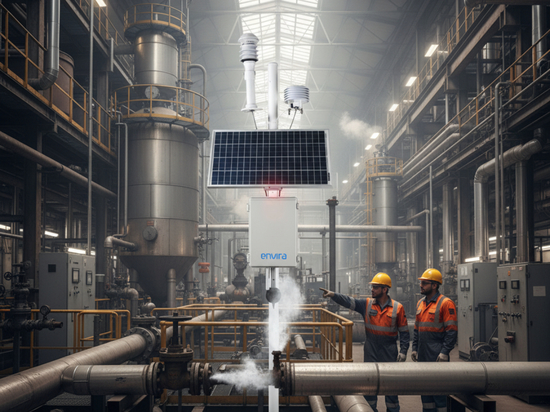
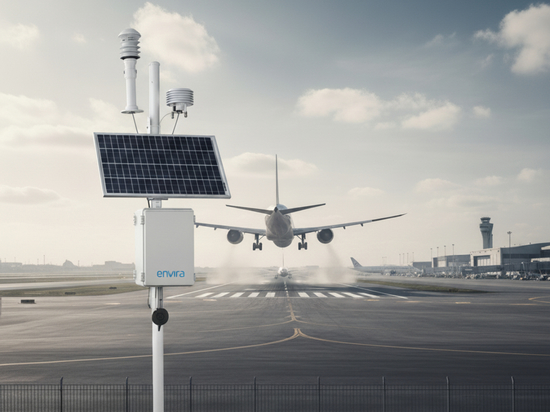
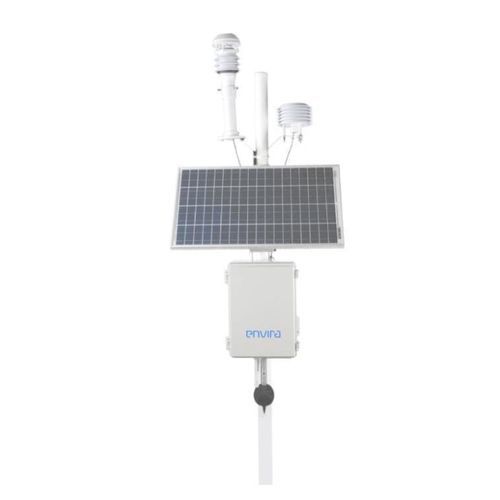
Why measure? The WHO estimates 4.2 million deaths annually from exposure to outdoor pollution. In Spain, 9,500 deaths per year are attributed to air pollution. Global economic losses exceed $225 billion annually, including lost work hours and hospital expenses. Preventing climate change and reducing mortality makes monitoring imperative. Innovative solutions such as Nanoenvi EQ offer low-cost equipment with electrochemical sensors that measure NO₂, O₃, PM and CO in real time, integrating with cloud platforms for immediate visualisation.