#Product Trends
What is the underground cable fault locator?
Underground Cable Fault Locators: A Quick Primer
Underground Cable Fault Locators: A Quick Primer
An underground cable fault locator is a specialized device designed to detect and pinpoint faults in underground cables. These faults can manifest as short circuits, open circuits, or insulation failures, leading to service interruptions and potential safety hazards. The ability to quickly and accurately locate these faults is crucial for minimizing downtime and ensuring the reliability of electrical and communication networks.
Buried power and data lines don’t give you visual clues when they fail. A Cable Fault Locator is the tool that lets crews find the problem without digging up half the street.
What is the underground cable fault locator?
A portable instrument that sends a test pulse down the cable and listens for the echo created by a short, open, or insulation breakdown. By timing that echo it calculates the distance to the fault, usually within a few inches.
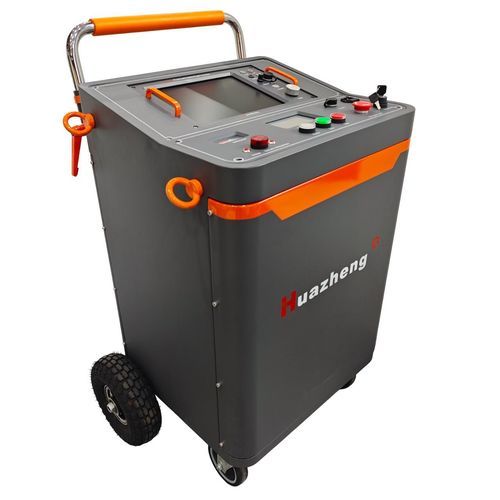
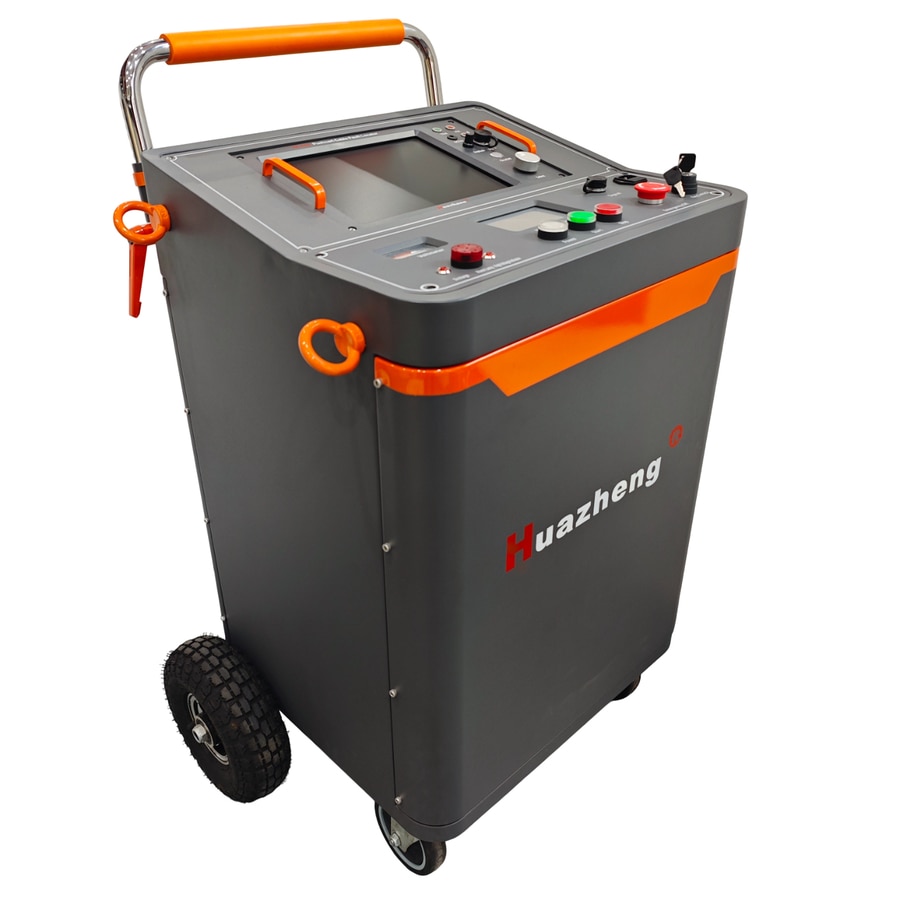
The HZ-A50 trolley-type cable fault tester is a cable fault testing system that our company has been dedicated to developing for many years in the field of Power Cable Fault detection. To meet the rapid development of the power industry, and based on extensive experience and focused research, we have seamlessly integrated traditional and advanced cable fault testers, high-frequency and high-voltage power supplies, multiple pulse generators, path transmitters, insulation resistance testers, and other standalone units into one unified system. This system is used for both preliminary testing and fault location in power cables, offering precise fault identification. The testing software automatically detects the card position and reads the fault distance, making the cable fault testing process lightweight, simple, efficient, and safe. It provides convenience for the rapid detection of power cable faults.
How used of underground cable fault locator
Hook the unit to the dead cable.
Inject a low-voltage pulse or swept frequency.
Read the reflection on the screen; a sharp spike or change in trace shape marks the fault.
Move to the indicated distance, verify with a thumper or acoustic sensor, and start the repair.
Main flavors of underground cable fault locator
TDR – fastest for straightforward copper or coax runs.
FDR – better on branched or loaded networks.
Smart locators – log past faults, compare patterns, and flag weak spots before they fail.
Why it matters
Less guessing means smaller holes, shorter outages, lower overtime, and fewer frustrated customers. It also keeps linemen out of traffic and away from live faults.
In short, a fault locator turns a day-long treasure hunt into a one-hour job.