#Product Trends
What is the Laboratory Petroleum Distillation Apparatus?
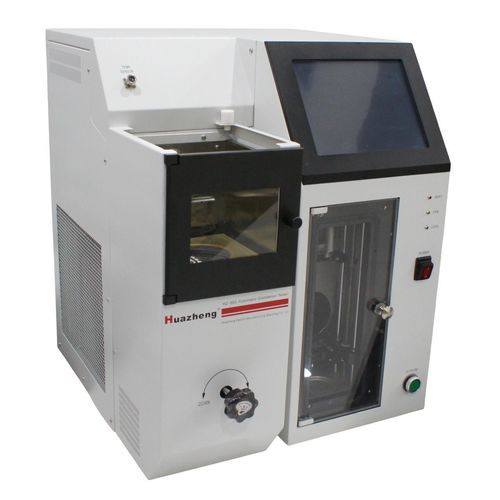
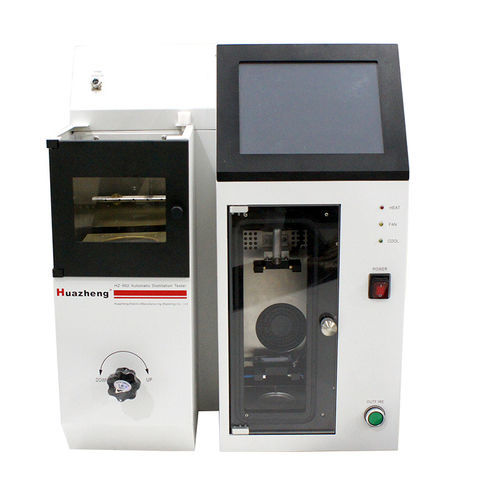
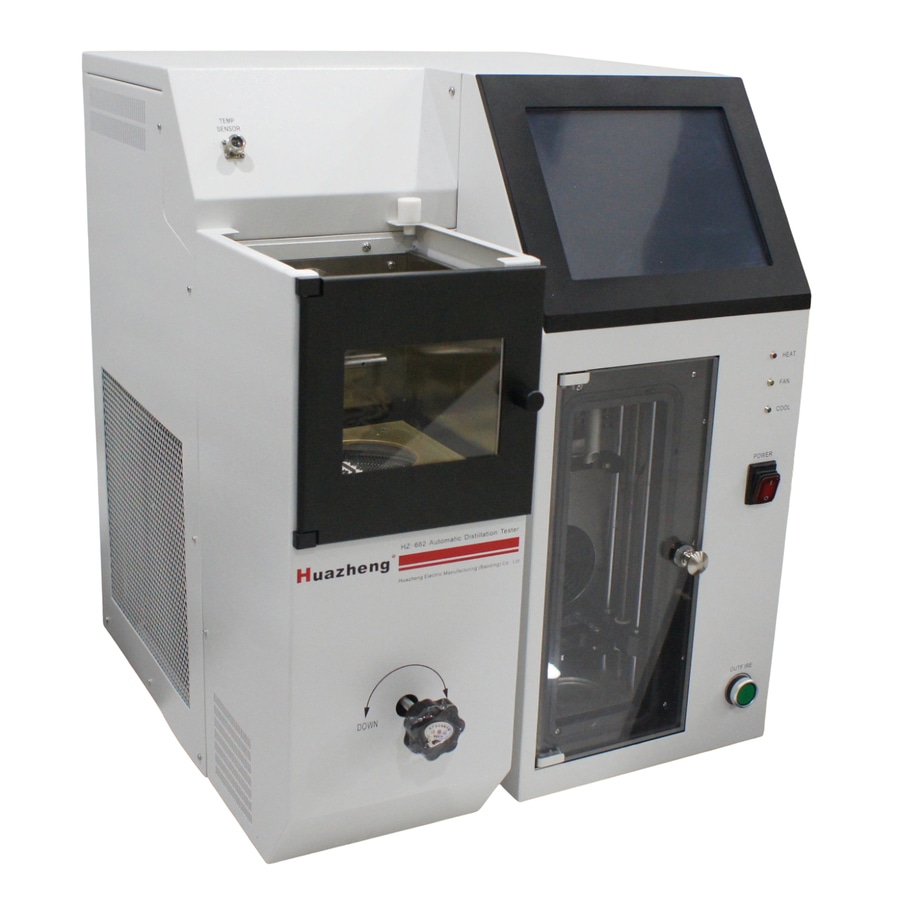
A laboratory petroleum distillation apparatus is a bench–scale glass (or glass–metal hybrid) assembly built to separate crude-oil samples, motor fuels, lubricants or other complex hydrocarbon mixtures into narrow-boiling fractions.
A laboratory petroleum distillation apparatus is a bench–scale glass (or glass–metal hybrid) assembly built to separate crude-oil samples, motor fuels, lubricants or other complex hydrocarbon mixtures into narrow-boiling fractions. The unit is used in teaching labs, refinery control labs and R&D groups to obtain a “distillation curve” (volume % vs. temperature) that immediately reveals how much gasoline, kerosene, diesel, etc. is present in any given sample.
Construction is simple and largely unchanged since the 1920s. A round-bottom flask (typically 100–500 mL borosilicate glass) is charged with 50–250 mL of sample and fitted with an ASTM-approved, precision-ground distillation head. Heat comes from an electric heating mantle whose rate can be adjusted to 1–2 °C rise per minute. Vapour leaves the side-arm of the head, passes through a water-cooled Liebig or Allihn condenser, and the condensed liquid is collected in graduated cylinders. A thermometer or Pt-100 probe positioned at the vapour outlet records the temperature that corresponds to each successive 5 % or 10 % increment of recovered volume. Modern versions add magnetic stir bars, vacuum jackets around the head, and automated data loggers, but the physical principle—separation by boiling-point difference—remains identical.
The test itself is controlled by internationally standardised methods: ASTM D86 for atmospheric distillation of gasoline and middle distillates; ASTM D1160 for heavy products run under reduced pressure; and ASTM D2892 (the “15-theoretical-plate column”) for true-boiling-point curves used in refinery process design. From the raw curve the operator reads initial boiling point (IBP), final boiling point (FBP), and the 10 %, 50 % and 90 % recovered temperatures. These numbers are compared against commercial fuel specifications; deviations of only a few degrees can force a blender to re-route thousands of barrels of product.
Beyond routine quality control, the same glassware is pressed into service for quick scouting work: evaluating a new catalyst that promises higher gasoline yield, checking whether a shale-oil cut can be sold as diesel without hydrotreating, or estimating the solvent power of an aromatic extract. Environmental labs use miniature distillation to prepare fractions for subsequent GC/MS analysis of spilled oil, thereby fingerprinting the source and tracking weathering in soil or seawater.
In short, the laboratory petroleum distillation apparatus is the first tool an analyst reaches for when asked, “What exactly is in this petroleum sample, and how will it behave on the refinery floor or in the environment?”