
#Industry News
What is an emergency eyewash station used for?
A comprehensive guide to emergency eyewash stations
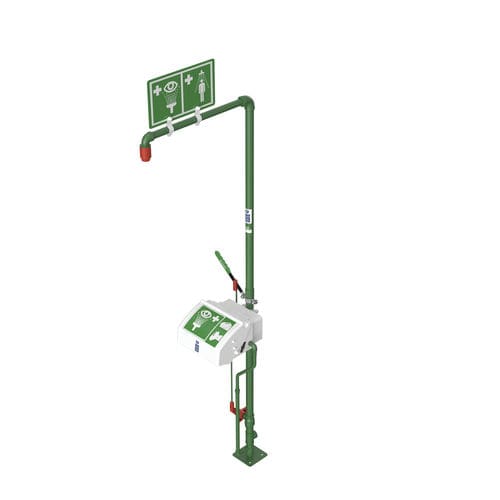
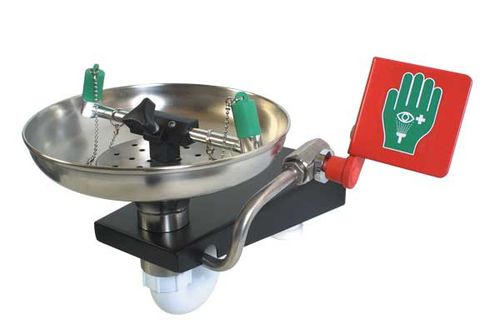
An eyewash station is a vital piece of emergency safety equipment designed to provide immediate flushing of the eyes if they come into contact with hazardous substances. Whether it’s a splash of chemicals, dust or other contaminants, using an eyewash station quickly can reduce the risk of serious injury. In the crucial first moments after exposure, having fast access to clean, temperate water can make all the difference.
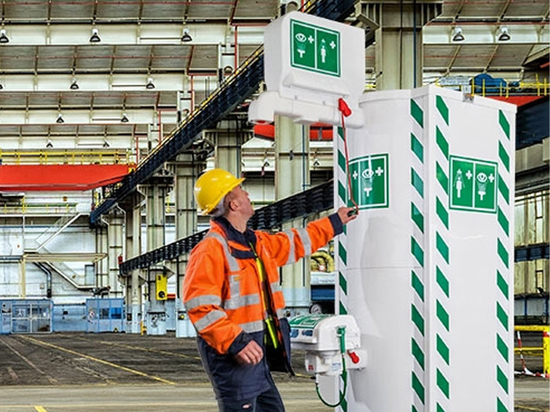
To ensure maximum protection, eyewash stations are designed and installed in line with international standards such as ANSI/ISEA Z358.1 and EN15154. These standards set strict requirements for performance, location and water delivery, ensuring the equipment is effective and reliable when it matters most.
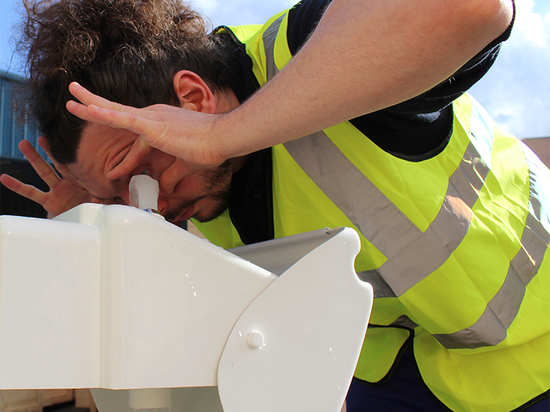
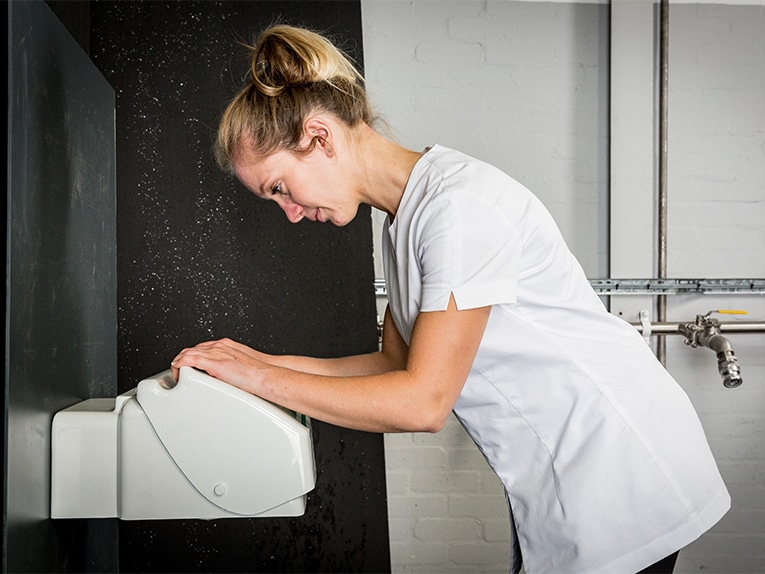
The primary purpose of an eyewash station is to provide immediate flushing of the eyes following exposure to hazardous substances. In workplaces where chemicals and dust are present, accidents can happen in an instant. An eyewash station allows anyone affected to act quickly, rinsing their eyes before the substance has time to cause further harm.
By washing away harmful materials immediately, eyewash stations help reduce the severity of injuries. The faster the contaminant is removed, the lower the chance of long-lasting damage.
They also serve as an essential form of first aid, giving workers time to minimise the impact of an incident before professional medical treatment can be accessed. In many cases, this rapid response can make a significant difference to recovery outcomes.
When is an Eyewash Station Required?
Eyewash stations are required wherever there is a risk of hazardous substances coming into contact with the eyes. Regulations set out strict requirements for providing suitable emergency equipment in workplaces where employees may be exposed to chemical or fine dust from powders, cement or pharmaceuticals.
They are commonly found across a wide range of industries, including:
Laboratories: where chemicals are routinely handled and tested.
Chemical plants and manufacturing facilities: where corrosives, solvents and powders may be used.
Healthcare settings: where exposure to hazardous chemicals such as disinfectants is a risk.
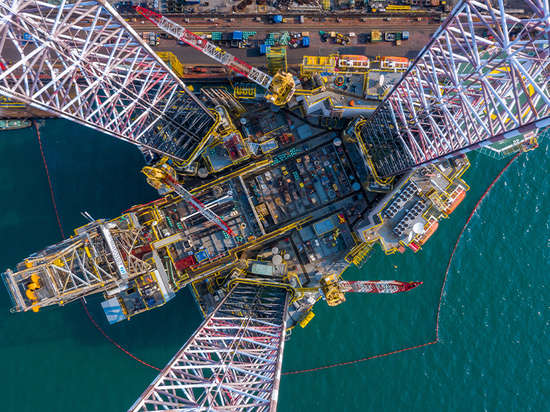
Oil and gas operations: where hazardous liquids, such as hydraulic fluids or fuels, are present.
Ultimately, the need for an eyewash station is determined through a risk assessment. Employers must carefully evaluate the hazards in their workplace and ensure suitable emergency equipment is available, accessible and compliant.