#Industry News
Lightning protection system installation
How to properly install a lightning protection system. Basic guide for external lightning protection installation.
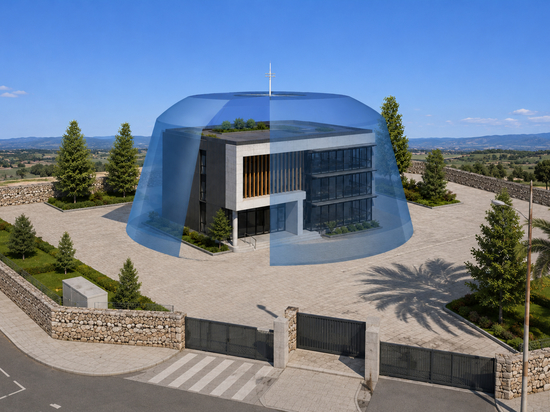
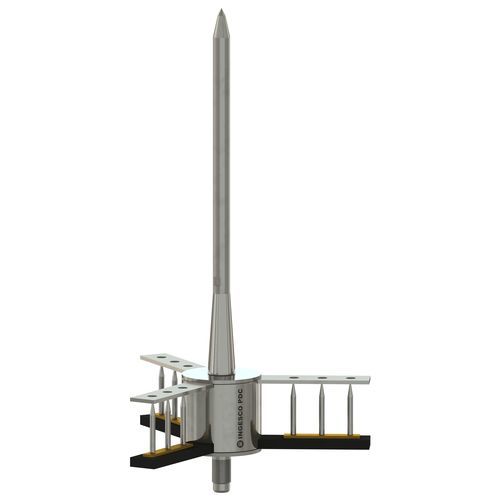
The installation of a Lightning Protection System (LPS) must comply with the technical requirements established in the applicable international and national standards, including IEC/EN 62305 (Lightning Protection, Parts 1 to 4), which governs risk assessment, design, installation, verification, and maintenance of lightning protection systems. Where Early Streamer Emission (ESE) air terminals are used, installation must comply with NF C 17-102. Additionally, national building regulations, electrical codes, grounding requirements, and surge protection regulations must be considered.
The design of a Lightning Protection System must begin with a Lightning Risk Assessment in accordance with IEC/EN 62305-2, which will objectively determine whether the structure requires lightning protection and, in such case, which is the appropriate level of protection for it. The analysis considers factors such as the building characteristics and height, construction materials, occupancy and use, geographical location and consequences of potential lightning strikes.
Based on the results of the risk assessment, a Technical Study is prepared where the protection measures to be implemented are defined: the type and positioning of air terminals, the earthing system configuration, the internal surge protection measures
Proper coordination between external protection (air terminals, down conductors, earthing system) and internal protection (equipotential bonding and surge protective devices) is essential to ensure full compliance and system effectiveness.