
#Industry News
Best Liquid Chemical Cabinets for Acid, Solvent, and CMP Slurry Handling
Liquid Chemical Cabinets Manufacturer
Introduction
Modern semiconductor manufacturing, photovoltaic production, advanced laboratories, pharmaceutical facilities, and precision chemical processing all depend on the safe storage and controlled distribution of hazardous liquid chemicals. From concentrated acids and flammable solvents to abrasive CMP (Chemical Mechanical Planarization) slurries, every chemical requires dedicated handling equipment designed to maintain safety, purity, operational efficiency, and regulatory compliance.
Liquid chemical cabinets have become an essential component of automated chemical delivery systems. Rather than serving as simple storage enclosures, today’s high-performance liquid chemical cabinets integrate leak detection, pressure monitoring, ventilation, automatic shutdown functions, chemical compatibility, and intelligent control systems that significantly reduce operational risks while improving manufacturing productivity.
Selecting the best liquid chemical cabinet requires understanding the characteristics of different chemicals, compatibility of construction materials, automation level, environmental requirements, and future production expansion.
This article explores the key design principles, applications, safety features, and selection criteria for liquid chemical cabinets designed specifically for acid chemicals, flammable solvents, and CMP slurry handling.
specialty gas cabinet manufacturers
specialty gas cabinet manufacturers
What Is a Liquid Chemical Cabinet?
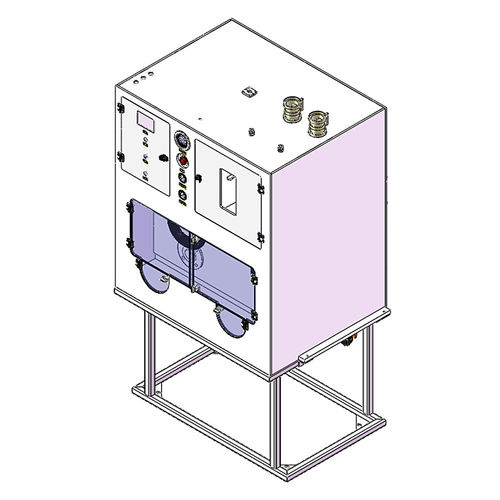
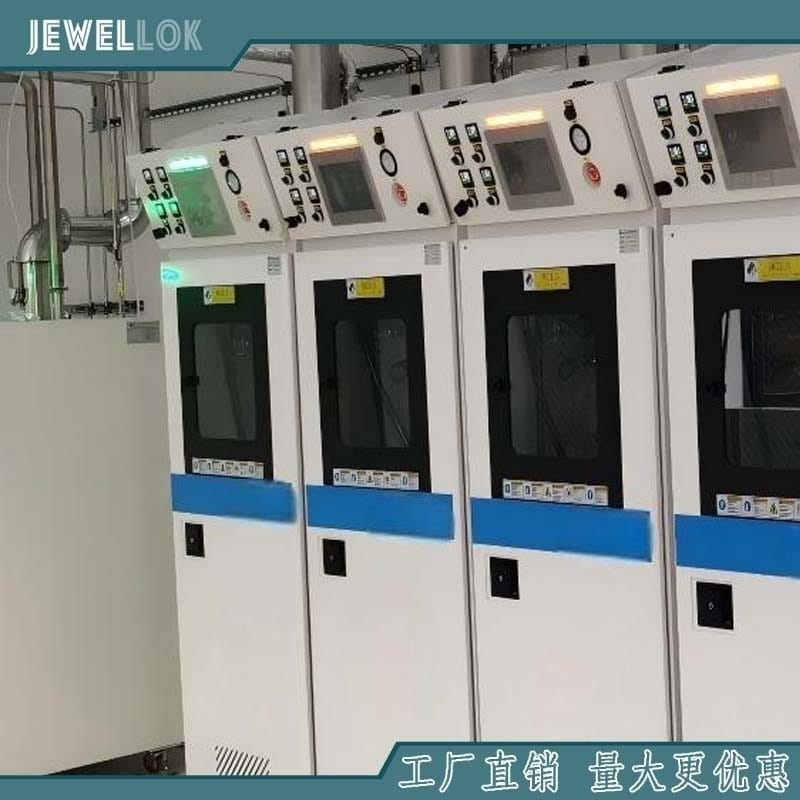
A liquid chemical cabinet is an enclosed engineered system designed to safely store, monitor, and distribute hazardous process chemicals used in industrial manufacturing. Unlike conventional storage cabinets, chemical cabinets actively control chemical delivery while protecting operators and production equipment.
A typical liquid chemical cabinet includes:
Chemical storage compartment
Double-contained piping
Pneumatic or electric valves
Leak detection sensors
Pressure monitoring instruments
Flow control devices
Automatic emergency shutoff
Ventilation interfaces
PLC control system
Human Machine Interface (HMI)
Alarm and monitoring systems
The cabinet acts as the interface between chemical containers and downstream process equipment while minimizing operator exposure.
Why Specialized Cabinets Are Necessary
Different process chemicals exhibit unique physical and chemical characteristics.
Examples include:
Acid Chemicals
Common semiconductor acids include:
Sulfuric Acid (H₂SO₄)
Hydrofluoric Acid (HF)
Hydrochloric Acid (HCl)
Nitric Acid (HNO₃)
Phosphoric Acid (H₃PO₄)
These chemicals are highly corrosive and require corrosion-resistant wetted materials.
Organic Solvents
Typical solvents include:
IPA (Isopropyl Alcohol)
Acetone
PGMEA
Ethanol
Methanol
NMP
Solvents present fire hazards due to low flash points and require explosion prevention measures and ventilation.
CMP Slurries
CMP slurry is widely used during semiconductor wafer polishing.
Characteristics include:
Abrasive nanoparticles
High solid content
Sedimentation tendency
High viscosity
Sensitive particle size distribution
CMP slurry cabinets require specialized circulation systems that prevent particle settling while maintaining stable flow.
Applications Across Multiple Industries
Liquid chemical cabinets are widely used in:
Semiconductor Manufacturing
Wet benches
Etching tools
Cleaning equipment
CMP systems
Photoresist coating
Chemical mechanical polishing
Wafer cleaning
Flat Panel Display Manufacturing
Chemical cabinets supply:
Etchants
Cleaning chemicals
Developers
Photoresists
Solar Cell Manufacturing
Photovoltaic production requires:
HF
HNO₃
KOH
Cleaning agents
Surface treatment chemicals
Pharmaceutical Industry
Applications include:
High-purity solvents
Process acids
Cleaning chemicals
Buffer solutions
Chemical Laboratories
Research facilities require safe storage and delivery of:
Analytical reagents
Corrosive liquids
Organic solvents
High-purity chemicals
Essential Design Features
1. Chemical Compatibility
Material selection is the foundation of cabinet reliability.
Typical construction materials include:
For Acid Chemicals
PVDF
PTFE
PFA
HDPE
PP
PTFE-lined tubing
These materials offer outstanding corrosion resistance.
For Solvents
Compatible materials include:
Stainless Steel 316L
PTFE
PFA
PVDF
Viton seals
Kalrez seals
Material compatibility must always be verified according to the chemical used.
For CMP Slurry
Slurry-compatible components should include:
Smooth internal surfaces
Low particle generation materials
Wear-resistant pumps
Anti-settling piping layouts
2. Leak Detection
Leak detection is one of the most important safety functions.
Modern systems typically incorporate:
Bottom leak trays
Optical leak sensors
Conductivity sensors
Chemical-specific sensors
Continuous monitoring
When leakage is detected, the cabinet automatically:
Stops chemical delivery
Closes pneumatic valves
Activates alarms
Sends remote notifications
3. Ventilation System
Hazardous vapors must never accumulate inside the cabinet.
Ventilation systems provide:
Continuous exhaust
Negative pressure operation
Vapor removal
Corrosion reduction
Improved operator safety
Airflow is typically connected to the facility exhaust system.
4. Double Containment
Most semiconductor facilities require double-contained piping.
Benefits include:
Secondary leak protection
Environmental protection
Easier maintenance
Compliance with semiconductor safety standards
Outer containment captures leakage from the primary process tubing.
5. Pressure Monitoring
Stable pressure ensures reliable chemical delivery.
Pressure sensors continuously monitor:
Tank pressure
Pump discharge pressure
Process line pressure
Differential pressure
Abnormal conditions trigger automatic alarms.
6. Flow Monitoring
Flow meters verify chemical supply.
Functions include:
Flow verification
Consumption monitoring
Process optimization
Batch recording
Early blockage detection
Acid Chemical Cabinet Design
Acid cabinets require enhanced corrosion protection.
Typical features include:
Polypropylene cabinet structure
PVDF piping
PTFE valves
Acid-resistant pumps
Corrosion-resistant sensors
Chemical-resistant ventilation ducting
Hydrofluoric acid systems often require dedicated materials because HF attacks glass and many metals.
Proper segregation prevents incompatible chemicals from mixing.
Solvent Chemical Cabinet Design
Flammable solvent cabinets focus on ignition prevention.
Important design elements include:
Explosion-proof electrical components
Grounding systems
Static discharge protection
Ventilation monitoring
Solvent-resistant seals
Fire detection integration
Automatic shutdown minimizes fire risks if abnormal conditions occur.
CMP Slurry Cabinet Design
CMP slurry presents unique engineering challenges.
Unlike pure liquids, slurry contains abrasive particles that settle during storage.
Advanced slurry cabinets therefore include:
Continuous Circulation
Continuous recirculation maintains uniform particle distribution.
Gentle Pump Design
Low-shear pumps prevent particle damage while maintaining flow stability.
Dead-Leg-Free Piping
Eliminating stagnant areas reduces sediment buildup.
Precision Flow Control
Stable flow ensures consistent wafer polishing quality.
Particle Monitoring
Some advanced systems include particle concentration monitoring to improve process consistency.
Intelligent Automation
Modern liquid chemical cabinets increasingly support Industry 4.0 manufacturing.
Automation functions include:
PLC control
Recipe management
Touchscreen HMI
Automatic valve sequencing
Chemical level monitoring
Pump control
Data logging
Alarm history
Remote diagnostics
Ethernet communication
Integration with Manufacturing Execution Systems (MES) allows centralized monitoring.
Safety Features
High-end chemical cabinets integrate multiple layers of protection.
Common safety functions include:
Emergency stop button
Leak detection
Over-pressure protection
Low-pressure alarms
Chemical level alarms
Door interlock
Ventilation monitoring
Fire alarm interface
Gas detection (when applicable)
Automatic emergency shutdown
These systems greatly reduce the probability of chemical incidents.
Environmental Protection
Environmental regulations are becoming increasingly stringent.
Modern cabinets contribute to environmental sustainability by:
Preventing chemical leaks
Reducing vapor emissions
Minimizing chemical waste
Supporting chemical recycling
Lowering maintenance requirements
Improving chemical utilization efficiency
Many facilities also integrate spill containment systems beneath cabinets for additional protection.
Maintenance Considerations
Routine maintenance helps maximize equipment reliability.
Recommended maintenance tasks include:
Inspect tubing and fittings
Verify sensor calibration
Test emergency shutdown
Check ventilation airflow
Clean leak trays
Replace worn seals
Inspect pumps
Verify pressure accuracy
Test communication systems
Review alarm history
Preventive maintenance significantly reduces unexpected downtime.
Choosing the Best Liquid Chemical Cabinet
When selecting a cabinet, manufacturers should evaluate several technical factors.
Chemical Compatibility
Every wetted component must be compatible with the intended chemical.
Process Requirements
Determine:
Required flow rate
Operating pressure
Temperature
Purity level
Chemical viscosity
Automation Level
Consider whether the system requires:
Manual operation
Semi-automatic control
Fully automatic chemical delivery
Safety Standards
Verify compliance with applicable standards such as:
SEMI guidelines
FM approvals (where applicable)
CE certification
ISO 9001 quality management
Local fire and environmental regulations
Future Expansion
Modular cabinet designs simplify future upgrades as production capacity increases.
Benefits of High-Quality Liquid Chemical Cabinets
Investing in engineered liquid chemical cabinets offers numerous advantages.
Enhanced Safety
Multiple protection systems minimize risks to personnel and facilities.
Improved Chemical Purity
High-purity materials reduce contamination during chemical transfer.
Higher Productivity
Automated operation reduces manual intervention and increases production efficiency.
Reduced Maintenance Costs
Reliable components extend service life and lower operating expenses.
Better Process Stability
Stable pressure and flow improve manufacturing consistency.
Regulatory Compliance
Proper cabinet design supports compliance with environmental and occupational safety requirements.
Lower Total Cost of Ownership
Although premium systems require a higher initial investment, improved reliability, reduced downtime, and longer equipment life typically result in lower lifetime operating costs.
Future Trends in Liquid Chemical Cabinet Technology
As semiconductor technology advances toward smaller process nodes and higher production efficiency, liquid chemical cabinets continue to evolve.
Emerging trends include:
AI-assisted predictive maintenance
Digital twin integration for process simulation
IoT-enabled remote monitoring
Real-time chemical consumption analytics
Automatic inventory management
Smart leak prediction algorithms
Enhanced cybersecurity for connected equipment
Energy-efficient pumps and control systems
Modular designs for rapid deployment
Greater compatibility with ultra-high-purity chemical processes
These innovations enable manufacturers to improve operational efficiency while meeting increasingly demanding safety, environmental, and quality standards.
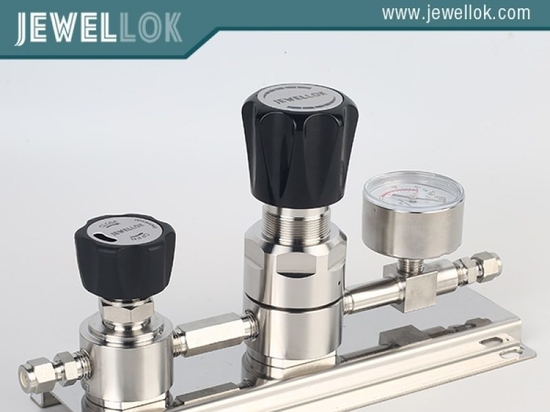
High Flow Ultra High Purity Gas Pressure Regulators
High Flow Ultra High Purity Gas Pressure Regulators
Conclusion
Liquid chemical cabinets are no longer simple storage enclosures—they are intelligent, safety-critical systems that play a central role in modern chemical handling operations. Whether managing highly corrosive acids, flammable organic solvents, or particle-sensitive CMP slurries, the right cabinet ensures safe storage, precise chemical delivery, and uninterrupted production.
The best liquid chemical cabinets combine chemically compatible materials, advanced leak detection, robust ventilation, intelligent automation, and comprehensive safety interlocks to protect personnel, equipment, and the environment. For industries such as semiconductor manufacturing, photovoltaics, pharmaceuticals, and advanced research, these systems contribute directly to higher process stability, improved product quality, and lower operating costs.
As manufacturing continues to embrace digitalization and automation, next-generation liquid chemical cabinets will deliver even greater levels of intelligence, predictive maintenance, and remote management. Choosing a well-engineered, scalable, and standards-compliant solution today not only addresses current production requirements but also provides a strong foundation for future expansion, making it a strategic investment for any facility handling hazardous liquid chemicals.
For more about best liquid chemical cabinets for acid, solvent, and CMP slurry handling, you can pay a visit to Jewellok at https://www.specialtygasregulator.com/product-category/specialty-gas-cabinet/ for more info.