
#Product Trends
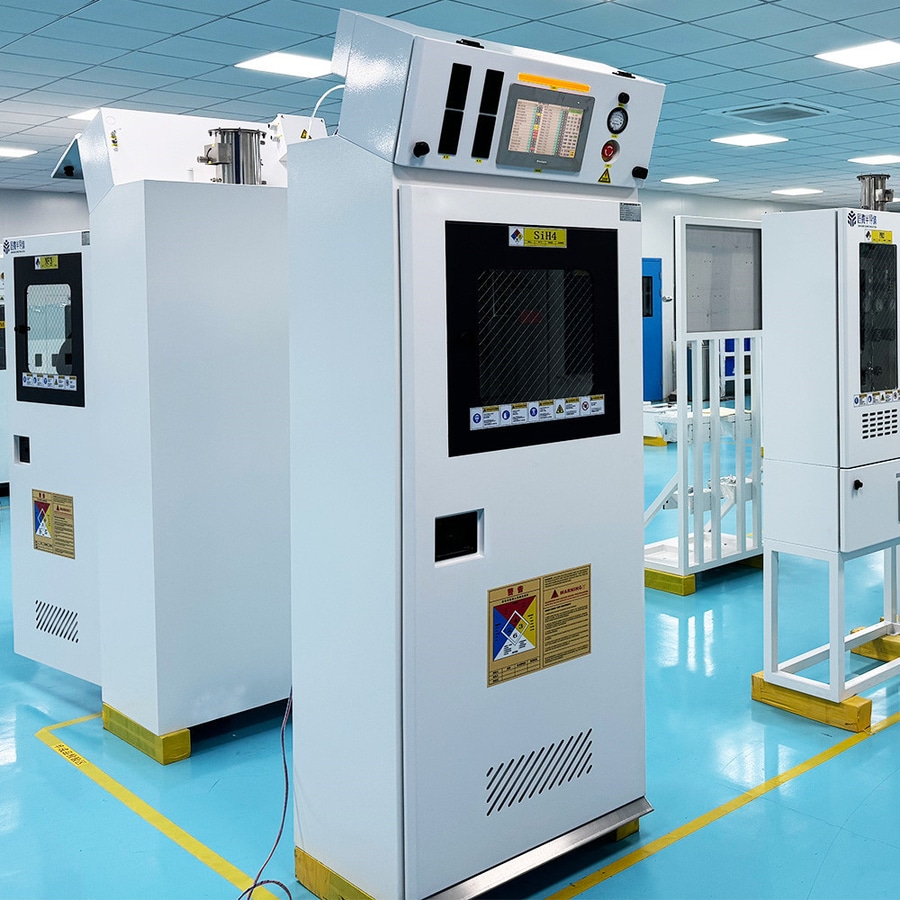
Bulk Chemical Delivery System for Advanced Semiconductor Manufacturing Applications and Process Safety
Bulk Chemical Delivery System for Advanced Semiconductor Manufacturing Applications and Process Safety
The semiconductor industry relies on ultra-high-purity chemicals to manufacture integrated circuits, advanced packaging, MEMS devices, power semiconductors, and display panels. Every process, from wafer cleaning and photolithography to chemical mechanical planarization (CMP) and wet etching, requires precise chemical delivery with exceptional consistency, safety, and contamination control.
As semiconductor fabrication continues to advance toward smaller process nodes and larger wafer sizes, manufacturers demand highly automated, intelligent, and reliable chemical distribution solutions. A Bulk Chemical Delivery System (BCDS) has become one of the most critical infrastructures inside modern semiconductor fabrication facilities (fabs), enabling continuous and safe delivery of high-purity chemicals from bulk storage tanks to production tools.
This article explores the working principles, major components, design considerations, safety features, and benefits of bulk chemical delivery systems for semiconductor applications.
What Is a Bulk Chemical Delivery System?
A Bulk Chemical Delivery System is a centralized automated system designed to safely store, monitor, transfer, and distribute high-purity process chemicals throughout a semiconductor manufacturing facility.
Instead of operators manually transporting chemical containers to individual process tools, chemicals are stored in dedicated bulk tanks and delivered through high-purity piping networks using automated pumps, valves, sensors, and control systems.
The system minimizes human exposure, improves chemical utilization, reduces contamination risks, and ensures uninterrupted production.
Bulk chemical delivery systems are commonly integrated with:
Wet benches
Wafer cleaning equipment
Photolithography tools
CMP equipment
Chemical blending systems
Chemical dispense units (CDU)
Semiconductor process tools
Chemical recycling systems
Why Semiconductor Manufacturing Requires Bulk Chemical Delivery
Modern semiconductor production consumes enormous volumes of high-purity chemicals every day. Even a slight variation in chemical concentration, pressure, temperature, or flow rate can directly affect wafer yield and device reliability.
A centralized bulk chemical delivery system offers several important advantages:
Continuous chemical supply
Stable pressure and flow control
Reduced contamination
Lower labor costs
Higher manufacturing efficiency
Improved operator safety
Real-time process monitoring
Reduced chemical waste
With fully automated operation, semiconductor manufacturers can achieve higher productivity while maintaining strict quality standards.
Common Chemicals Delivered by Bulk Chemical Systems
A semiconductor bulk chemical delivery system is designed to handle a wide variety of corrosive, oxidizing, and solvent-based chemicals.
Typical chemicals include:
Acids
Sulfuric Acid (H₂SO₄)
Hydrofluoric Acid (HF)
Nitric Acid (HNO₃)
Hydrochloric Acid (HCl)
Phosphoric Acid (H₃PO₄)
Alkalis
Ammonium Hydroxide (NH₄OH)
Potassium Hydroxide (KOH)
Tetramethylammonium Hydroxide (TMAH)
Oxidizers
Hydrogen Peroxide (H₂O₂)
Ozone Water
Diluted Oxidizing Solutions
Solvents
Isopropyl Alcohol (IPA)
Acetone
PGMEA
NMP
Ethanol
CMP Chemicals
Silica Slurries
Ceria Slurries
Cleaning Agents
Ultra-Pure Water
DI Water
Process Water
Each chemical requires dedicated materials, pumps, seals, and piping to ensure compatibility and purity.
Main Components of a Bulk Chemical Delivery System
A modern semiconductor chemical delivery system consists of multiple integrated subsystems working together.
1. Bulk Chemical Storage Tanks
Bulk storage tanks serve as the primary chemical reservoirs.
Common construction materials include:
High-density polyethylene (HDPE)
Polypropylene (PP)
PVDF
PTFE-lined tanks
Stainless steel (for compatible chemicals)
Tank capacities may range from several hundred liters to tens of thousands of liters depending on fab production capacity.
2. Chemical Transfer Pumps
Chemical pumps move liquids from storage tanks to day tanks or directly to production equipment.
Popular pump technologies include:
Double diaphragm pumps
Magnetically coupled centrifugal pumps
Air-operated diaphragm pumps
Metering pumps
Peristaltic pumps
Pump selection depends on:
Chemical compatibility
Required flow rate
Delivery pressure
Particle generation
Maintenance requirements
3. High-Purity Piping Network
Chemical distribution piping must prevent contamination while resisting aggressive chemicals.
Common piping materials include:
PFA tubing
PTFE tubing
PVDF pipe
HDPE pipe
PP-H piping
Orbital welding and high-purity fittings help minimize particle generation and leakage.
4. Automatic Valve Assemblies
Automated valves regulate chemical flow throughout the system.
Typical valve types include:
Diaphragm valves
Ball valves
Pneumatic valves
Solenoid valves
Pinch valves
High-purity diaphragm valves are especially popular because they reduce dead volume and particle accumulation.
5. Filtration Units
Ultra-clean filtration is essential for semiconductor manufacturing.
Filtration systems commonly include:
Pre-filters
High-purity membrane filters
Ultra-fine particle filters
Final point-of-use filters
Filtration ratings often range from 0.05 μm to 0.2 μm.
6. Flow Measurement Devices
Accurate chemical dosing requires continuous monitoring.
Instrumentation includes:
Flow meters
Pressure transmitters
Level sensors
Temperature sensors
Conductivity sensors
Digital monitoring enables closed-loop process control.
7. PLC and Automation Control
A programmable logic controller (PLC) serves as the system’s control center.
Functions include:
Automatic pump sequencing
Valve operation
Tank level monitoring
Alarm management
Batch control
Chemical inventory tracking
Emergency shutdown
Many systems also integrate with SCADA and Manufacturing Execution Systems (MES) for centralized monitoring and data management.
How a Bulk Chemical Delivery System Works
The operating sequence typically includes:
Step 1: Chemical Receiving
Bulk chemicals are delivered by tanker truck or large containers into storage tanks.
Automatic level sensors verify tank capacity before transfer begins.
Step 2: Storage
Chemicals remain inside sealed high-purity tanks equipped with:
Vent filters
Overflow protection
Secondary containment
Leak detection
Step 3: Transfer
Chemical pumps transport the liquid through dedicated piping.
Pressure controllers maintain stable delivery conditions.
Step 4: Filtration
Chemicals pass through multiple filtration stages to remove particles and maintain ultra-high purity.
Step 5: Distribution
Filtered chemicals are distributed to multiple production tools simultaneously.
Each process tool receives precise pressure and flow according to production requirements.
Step 6: Monitoring
The control system continuously records:
Tank levels
Pump status
Pressure
Flow
Temperature
Chemical consumption
Alarm history
This data supports predictive maintenance and process optimization.
Safety Features
Because semiconductor chemicals are often corrosive, toxic, or flammable, safety is a top priority.
Modern systems incorporate multiple layers of protection.
Leak Detection
Chemical leak sensors immediately detect spills and activate alarms.
Secondary Containment
Chemical tanks are installed inside containment basins to prevent environmental contamination.
Emergency Shutdown (ESD)
The system can automatically stop pumps and isolate valves during abnormal conditions.
Ventilation Integration
Exhaust ventilation removes hazardous vapors from chemical cabinets and storage areas.
Overflow Protection
High-level sensors prevent accidental tank overfilling.
Chemical Identification
Automated barcode or RFID systems verify chemical types before unloading.
Redundant Equipment
Critical pumps and sensors are often configured with N+1 redundancy to maximize uptime.
Material Compatibility
Selecting proper construction materials is essential for long-term reliability.
Chemical Recommended Material
Hydrofluoric Acid PFA, PTFE, PVDF
Sulfuric Acid PVDF, PTFE
Nitric Acid PVDF
Hydrochloric Acid PP, PVDF
IPA Stainless Steel 316L
Acetone Stainless Steel 316L
Hydrogen Peroxide PVDF, PTFE
Proper material selection minimizes corrosion and extends equipment service life.
Automation and Industry 4.0 Integration
Today’s semiconductor fabs increasingly demand intelligent chemical management.
Advanced bulk chemical delivery systems include:
Remote monitoring
Cloud-based diagnostics
Predictive maintenance
AI-assisted fault detection
Automatic inventory management
Digital chemical traceability
Production analytics
Real-time reporting
These features improve equipment availability while reducing operational costs.
Advantages of Bulk Chemical Delivery Systems
Compared with manual chemical handling, centralized bulk delivery systems provide numerous benefits.
Improved Safety
Operators have minimal direct contact with hazardous chemicals.
Higher Productivity
Continuous chemical supply eliminates production interruptions.
Better Process Stability
Automated control maintains consistent flow, pressure, and concentration.
Reduced Contamination
Closed delivery systems prevent airborne particles and impurities from entering chemicals.
Lower Operating Costs
Automation reduces labor requirements and minimizes chemical waste.
Easier Maintenance
Modular designs simplify servicing and future expansion.
Environmental Protection
Leak prevention and optimized chemical usage reduce environmental impact.
Applications in Semiconductor Manufacturing
Bulk chemical delivery systems support nearly every wet process inside semiconductor fabs.
Typical applications include:
Wafer cleaning
RCA cleaning
Oxide etching
Silicon etching
Wet benches
CMP slurry distribution
Photoresist developer supply
Chemical dilution systems
Advanced packaging
MEMS fabrication
Power semiconductor manufacturing
Compound semiconductor production
LED manufacturing
LCD and OLED display fabrication
Photovoltaic manufacturing
As process technologies continue to evolve, demand for higher chemical purity and tighter process control continues to increase.
Future Development Trends
Future semiconductor chemical delivery systems are expected to become more intelligent, efficient, and sustainable.
Emerging trends include:
Fully autonomous chemical management
AI-powered predictive maintenance
Digital twin technology
Real-time chemical quality analysis
Smart sensor integration
Energy-efficient pumping systems
Zero-leak designs
Reduced chemical consumption
Modular skid-mounted systems
Integration with smart factories and Industry 4.0 platforms
These innovations will enable semiconductor manufacturers to improve production efficiency while meeting increasingly stringent environmental and safety regulations.
Conclusion
A Bulk Chemical Delivery System is a vital component of modern semiconductor manufacturing infrastructure. By providing safe, automated, and contamination-free delivery of ultra-high-purity chemicals, these systems help ensure stable process conditions, maximize wafer yield, and support continuous production in advanced fabrication facilities.
With integrated automation, high-purity materials, precision instrumentation, and comprehensive safety features, bulk chemical delivery systems significantly reduce operational risks while improving efficiency and chemical utilization. As semiconductor technology advances toward increasingly complex device architectures and smarter manufacturing environments, intelligent bulk chemical delivery solutions will play an even more important role in enabling reliable, scalable, and sustainable production.
For semiconductor equipment manufacturers, EPC contractors, and wafer fabrication facilities, investing in a high-performance bulk chemical delivery system is not only a commitment to operational excellence but also a strategic step toward meeting the evolving demands of next-generation semiconductor manufacturing.
For more about bulk chemical delivery system for advanced semiconductor manufacturing applications and process safety, you can pay a visit to Jewellok at https://www.jewellok.com/product-category/chemical-delivery-system/ for more info.