
#Industry News
Laboratory Gas Valves Manufacturer for Specialty Gas Delivery Systems
Laboratory Gas Valves Manufacturer for Specialty Gas Delivery Systems
In modern laboratories and high-tech industrial environments, the safe and precise control of specialty gases is essential for operational efficiency, product quality, and personnel safety. Industries such as semiconductor manufacturing, biotechnology, pharmaceuticals, analytical laboratories, petrochemicals, and research institutions all rely heavily on advanced specialty gas delivery systems to maintain stable gas flow and contamination-free processes. At the core of these systems are laboratory gas valves, which play a critical role in controlling pressure, regulating flow, and ensuring leak-tight performance.
As a professional manufacturer of laboratory gas valves and fluid control components, Jewellok has become a trusted supplier for specialty gas delivery systems worldwide. With extensive expertise in ultra-high purity (UHP) applications, corrosion-resistant materials, and precision engineering, Jewellok provides reliable solutions for laboratories and industrial gas systems requiring the highest levels of safety and purity.
back pressure regulator vs pressure reducing regulator
back pressure regulator vs pressure reducing regulator
The Importance of Laboratory Gas Valves in Specialty Gas Systems
Specialty gases are widely used in laboratory and industrial processes where gas purity, flow stability, and system integrity are critical. These gases may include:
High-purity nitrogen
Oxygen
Hydrogen
Argon
Helium
Ammonia
Chlorine
Silane
Calibration gases
Toxic and corrosive gases
Unlike general industrial gas systems, specialty gas delivery systems must maintain extremely low contamination levels while operating under strict pressure and safety requirements. Even microscopic leakage or contamination can negatively impact analytical accuracy, semiconductor yields, or chemical reactions.
Laboratory gas valves are therefore designed to provide:
Precise gas flow control
Reliable shut-off capability
Leak-tight sealing
Corrosion resistance
High pressure tolerance
Minimal dead volume
Long service life
High-quality gas valves are essential to maintaining the integrity and performance of the entire gas distribution system.
Key Components of Specialty Gas Delivery Systems
A complete specialty gas delivery system generally consists of several integrated components designed to safely transport gases from the source to the point of use. These components include:
1. Cylinder Connection Components
Cylinder valves, CGA fittings, and pigtails connect gas cylinders to the distribution system. These components must withstand high pressure while ensuring leak-free operation.
2. Pressure Regulators
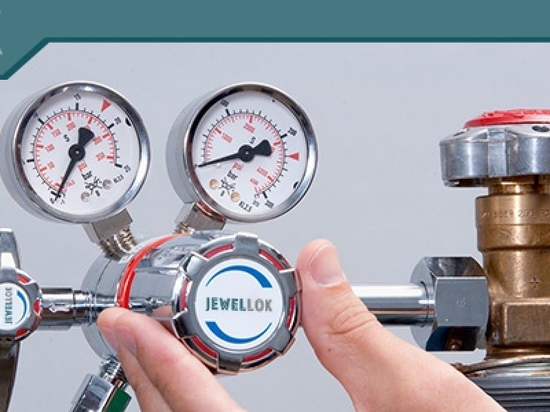
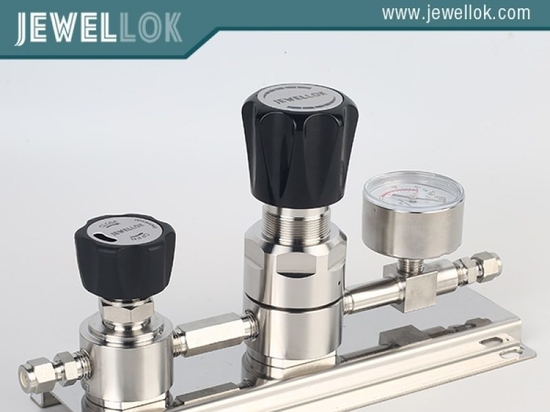
Pressure regulators reduce cylinder pressure to a safe and stable working pressure. In specialty gas systems, regulators must provide highly accurate pressure control while minimizing contamination.
3. Laboratory Gas Valves
Laboratory gas valves are responsible for isolating, controlling, and directing gas flow throughout the system. Common valve types include:
Diaphragm valves
Ball valves
Needle valves
Check valves
Excess flow valves
Manifold valves
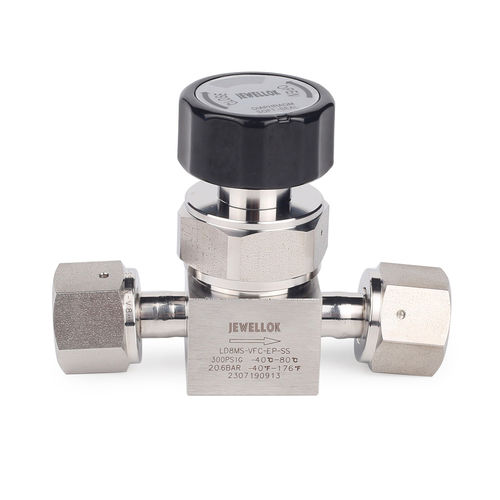
Among these, diaphragm valves are widely preferred for ultra-high purity and corrosive gas applications because they provide excellent sealing performance and low internal dead space.
4. Gas Manifolds
Gas manifolds allow multiple gas cylinders to be connected together for continuous supply and automatic changeover functionality.
5. Tubing and Fittings
Stainless steel tubing and compression fittings ensure secure gas transportation throughout the system.
6. Gas Cabinets and Gas Panels
Gas cabinets provide safety containment for hazardous gases, while gas panels integrate regulators, valves, filters, and gauges into a centralized control unit.
Why Valve Quality Matters in Laboratory Applications
Laboratory environments demand extremely high levels of reliability and safety. Poor-quality valves can result in serious operational risks, including:
Gas leakage
Pressure instability
Cross-contamination
System downtime
Equipment damage
Safety hazards
Environmental compliance violations
In semiconductor and analytical laboratory applications, even tiny particles or trace contamination can compromise entire production batches or experimental results.
For this reason, laboratory gas valves must be manufactured with precision machining, strict quality control, and advanced sealing technologies.
Materials Used in Laboratory Gas Valves
The performance and compatibility of laboratory gas valves largely depend on material selection. Specialty gas systems often handle corrosive, toxic, reactive, or ultra-high purity gases, requiring materials with superior corrosion resistance and cleanliness.
Common valve materials include:
Stainless Steel 316L
316L stainless steel is widely used due to its excellent corrosion resistance, mechanical strength, and compatibility with high-purity gases. Electropolished 316L stainless steel is especially suitable for semiconductor and UHP applications.
Hastelloy
Hastelloy offers superior resistance to highly corrosive gases and harsh chemical environments.
PTFE and PCTFE Seals
These materials provide chemical resistance and excellent sealing performance for specialty gas applications.
Nickel Alloys
Nickel-based materials are often used in high-temperature and corrosive environments.
As a specialized gas valve manufacturer, Jewellok uses carefully selected materials and precision manufacturing processes to ensure long-term reliability and gas compatibility.
Types of Laboratory Gas Valves
Different laboratory processes require different valve configurations. Some of the most commonly used valve types include:
Diaphragm Valves
Diaphragm valves are ideal for ultra-high purity and corrosive gas applications. They isolate the process media from the valve actuator using a flexible diaphragm, reducing contamination risk and improving sealing integrity.
Advantages include:
Low dead volume
Excellent leak-tight performance
High purity compatibility
Long cycle life
Reduced particle generation
Needle Valves
Needle valves provide fine flow adjustment and are commonly used in analytical instrumentation and gas sampling systems.
Ball Valves
Ball valves provide fast shut-off capability and are suitable for general gas isolation applications.
Check Valves
Check valves prevent reverse gas flow and help protect sensitive equipment from contamination or pressure surges.
Excess Flow Valves
Excess flow valves automatically shut off gas flow if downstream line rupture or excessive flow occurs, improving system safety.
Applications of Specialty Gas Delivery Systems
Specialty gas delivery systems are used across numerous industries requiring precise gas handling.
Semiconductor Manufacturing
Semiconductor fabrication facilities rely on ultra-high purity gas systems for processes such as:
Chemical vapor deposition (CVD)
Etching
Lithography
Wafer cleaning
Ion implantation
In these applications, gas purity directly affects semiconductor yield and device performance.
Pharmaceutical Industry
Pharmaceutical laboratories and manufacturing facilities use specialty gases in:
Sterile production environments
Analytical testing
Fermentation processes
Research and development
Biotechnology Laboratories
Biotech laboratories require precise gas control for cell culture, analytical instruments, and experimental research.
Analytical Instrumentation
Gas chromatography (GC), mass spectrometry (MS), and calibration systems require stable and contamination-free gas delivery.
Petrochemical Industry
Specialty gas systems are used for process control, emissions monitoring, and laboratory analysis in petrochemical plants.
Safety Considerations in Laboratory Gas Systems
Safety is one of the most critical aspects of specialty gas delivery system design. Many specialty gases are:
Toxic
Flammable
Corrosive
Pyrophoric
High-pressure
Improper gas handling can lead to serious accidents, equipment failure, or environmental hazards.
Key safety measures include:
Leak Prevention
High-integrity valve sealing is essential to prevent hazardous gas leakage.
Pressure Control
Proper pressure regulation protects both equipment and personnel.
Ventilation Systems
Gas cabinets and laboratory environments should include proper exhaust and ventilation systems.
Automatic Shut-Off Systems
Emergency shut-off valves and excess flow valves help minimize risk during abnormal conditions.
Compliance with Industry Standards
Gas system components should comply with standards such as:
SEMI standards
CGA standards
ISO standards
ASTM standards
Advantages of Choosing Jewellok for Laboratory Gas Valves
As global industries continue to demand higher purity levels and safer gas handling solutions, selecting the right valve manufacturer becomes increasingly important.
Jewellok offers several advantages for specialty gas delivery applications:
Precision Manufacturing
Jewellok utilizes advanced CNC machining and precision cleaning technologies to ensure consistent product quality.
High-Purity Solutions
The company specializes in ultra-high purity gas components suitable for semiconductor and laboratory applications.
Corrosion-Resistant Materials
Jewellok products are manufactured using high-grade stainless steel and specialty alloys for harsh environments.
Leak-Tight Performance
Strict helium leak testing helps ensure reliable sealing performance for hazardous and sensitive gases.
Custom Engineering Support
Jewellok provides customized gas control solutions based on specific customer requirements.
Global Industry Experience
The company serves customers in semiconductor, laboratory, pharmaceutical, energy, and industrial gas sectors worldwide.
Future Trends in Specialty Gas Delivery Systems
The specialty gas industry continues to evolve alongside technological advancements in semiconductor manufacturing, clean energy, biotechnology, and advanced research.
Several trends are shaping the future of laboratory gas systems:
Increasing Demand for Ultra-High Purity Systems
As semiconductor processes become more advanced, gas purity requirements continue to increase.
Smart Gas Monitoring
Digital pressure monitoring, remote diagnostics, and automated gas management systems are becoming more common.
Enhanced Safety Standards
Regulatory requirements for hazardous gas handling continue to become stricter worldwide.
Compact and Modular Designs
Laboratories increasingly prefer modular gas panels and compact valve assemblies for easier installation and maintenance.
Sustainable Manufacturing
Manufacturers are focusing on environmentally friendly production methods and improved energy efficiency.
back pressure regulator vs pressure reducing regulator
back pressure regulator vs pressure reducing regulator
Conclusion
Laboratory gas valves are essential components in specialty gas delivery systems, ensuring precise gas control, operational safety, and contamination-free performance. As industries such as semiconductors, pharmaceuticals, biotechnology, and analytical research continue to demand higher purity standards and safer gas handling technologies, the importance of reliable gas valve manufacturers becomes even greater.
With advanced engineering capabilities, ultra-high purity expertise, and a strong focus on safety and quality, Jewellok has established itself as a trusted manufacturer of laboratory gas valves and specialty gas system components. From diaphragm valves and pressure regulators to complete gas control solutions, Jewellok supports customers worldwide with reliable products designed for demanding laboratory and industrial applications.
For organizations seeking high-performance laboratory gas valves for specialty gas delivery systems, partnering with an experienced manufacturer like Jewellok can help ensure long-term system reliability, operational safety, and superior process performance.
For more about laboratory gas valves manufacturer for specialty gas delivery systems, you can pay a visit to Jewellok at https://www.specialtygasregulator.com/product-category/specialty-gas-cabinet/ for more info.