
#Industry News
Laboratory Gas Valves for Gas Cabinets and Gas Distribution Panels
Laboratory Gas Valves for Gas Cabinets and Gas Distribution Panels
Modern laboratories rely on highly controlled gas delivery systems to ensure the accuracy of experiments, protect personnel, and maintain compliance with stringent safety regulations. Whether in pharmaceutical research, semiconductor manufacturing, biotechnology, analytical chemistry, or university laboratories, laboratory gas valves play a critical role in controlling gas flow within gas cabinets and gas distribution panels.
Selecting the right laboratory gas valves is not simply a matter of choosing components that can open and close a pipeline. Today’s high-purity gas systems require valves that offer exceptional leak tightness, corrosion resistance, pressure stability, contamination control, and long service life. As laboratories increasingly utilize toxic, flammable, corrosive, and ultra-high-purity (UHP) gases, reliable gas valve technology has become one of the most important factors in ensuring system safety and operational efficiency.
This article explores the importance of laboratory gas valves, their applications, key design considerations, material selection, valve types, installation requirements, and how to choose the best supplier for laboratory gas cabinet and gas distribution panel systems.
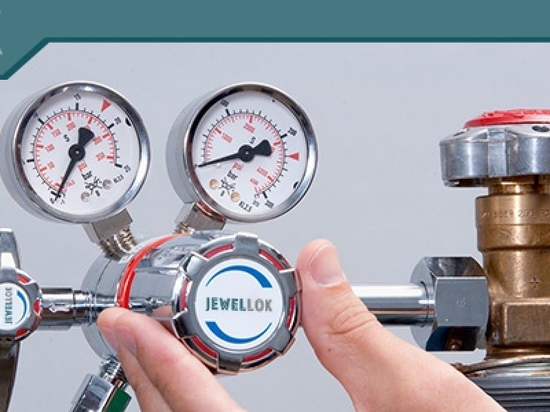
High Volume High Pressure Oxygen Regulators
High Volume High Pressure Oxygen Regulators
What Are Laboratory Gas Valves?
Laboratory gas valves are precision-engineered flow control devices designed to regulate, isolate, or shut off gases in laboratory gas delivery systems. They are installed in gas cabinets, gas manifolds, gas distribution panels, valve manifold boxes (VMBs), and laboratory piping systems.
Unlike conventional industrial valves, laboratory gas valves are specifically manufactured to:
Handle ultra-high purity gases
Prevent particle generation
Eliminate external leakage
Resist chemical corrosion
Maintain precise pressure control
Support hazardous gas applications
Meet laboratory cleanliness standards
These valves serve as the first line of defense in protecting both laboratory personnel and expensive analytical equipment.
Why Laboratory Gas Valves Matter
Laboratory gas systems often transport gases such as:
Nitrogen (N₂)
Oxygen (O₂)
Argon (Ar)
Helium (He)
Hydrogen (H₂)
Carbon Dioxide (CO₂)
Ammonia (NH₃)
Chlorine (Cl₂)
Hydrogen Chloride (HCl)
Silane (SiH₄)
Specialty calibration gases
Ultra-high purity process gases
Any leakage, contamination, or unstable pressure can lead to:
Experimental inaccuracies
Instrument damage
Product contamination
Fire hazards
Toxic gas exposure
Regulatory violations
Production downtime
High-quality laboratory gas valves ensure consistent gas flow while minimizing these risks.
Applications in Gas Cabinets
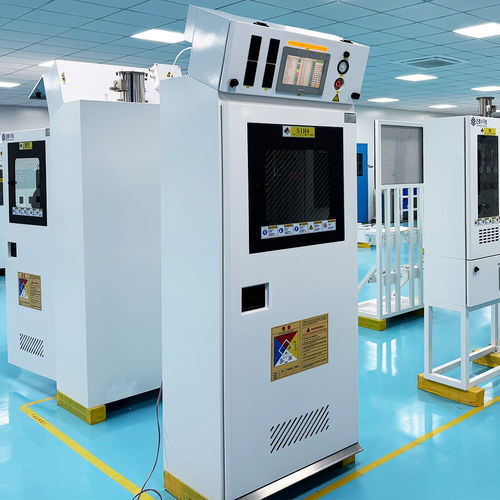
Gas cabinets are enclosed safety systems designed for storing and controlling hazardous gas cylinders. They provide ventilation, gas leak monitoring, automatic shutoff, and emergency protection.
Inside a gas cabinet, laboratory gas valves perform several essential functions.
Cylinder Isolation
Isolation valves allow operators to safely disconnect or replace gas cylinders without interrupting the entire gas supply system.
Emergency Shutoff
Automatic pneumatic or solenoid valves immediately stop gas flow when sensors detect:
Gas leaks
Fire
Earthquake events
Pressure abnormalities
Emergency stop activation
Fast valve response significantly reduces potential hazards.
Pressure Regulation
Gas valves work together with pressure regulators to maintain stable downstream pressure regardless of cylinder pressure fluctuations.
Purging Operations
Three-way and purge valves allow inert gases such as nitrogen to purge residual hazardous gases before maintenance.
This process prevents contamination and improves operator safety.
Applications in Gas Distribution Panels
Gas distribution panels distribute gases from centralized supply systems to multiple laboratory instruments.
Typical applications include:
Gas chromatography (GC)
Mass spectrometry (MS)
ICP-MS
Atomic absorption spectroscopy
Environmental testing
Pharmaceutical analysis
Research laboratories
University laboratories
Within these panels, laboratory gas valves provide:
Individual line isolation
Flow balancing
Pressure regulation
Maintenance access
Instrument protection
Multiple valves enable operators to isolate one instrument while maintaining gas supply to others.
Common Types of Laboratory Gas Valves
Selecting the proper valve type depends on gas characteristics, operating pressure, purity requirements, and automation level.
Diaphragm Valves
Diaphragm valves are the preferred solution for ultra-high purity gas systems.
Advantages include:
Metal-to-metal sealing
Minimal dead volume
Exceptional leak tightness
Low particle generation
Long cycle life
Clean internal surfaces
They are widely used in semiconductor, pharmaceutical, and analytical laboratories.
Ball Valves
Ball valves provide quick quarter-turn operation for gas isolation.
Benefits include:
Fast opening and closing
High flow capacity
Durable construction
Low operating torque
Excellent shutoff performance
High-purity ball valves feature electropolished internal surfaces to minimize contamination.
Needle Valves
Needle valves provide accurate flow adjustment.
Typical applications include:
Calibration gas systems
Laboratory instrumentation
Flow balancing
Sampling systems
Their fine-thread stem allows highly precise gas flow control.
Check Valves
Check valves prevent reverse gas flow that could damage sensitive laboratory equipment or contaminate gas cylinders.
Applications include:
Multi-cylinder manifolds
Mixed gas systems
Gas analyzers
Pressure control stations
Solenoid Valves
Solenoid valves provide automatic gas shutoff controlled by:
PLC systems
Gas detectors
Fire alarms
Emergency shutdown systems
Process automation
These valves are critical components in modern smart laboratories.
Materials Used in Laboratory Gas Valves
Material selection directly impacts valve durability, purity, and chemical compatibility.
316L Stainless Steel
316L stainless steel is the industry standard for laboratory gas systems.
Advantages include:
Excellent corrosion resistance
Low carbon content
High mechanical strength
Good weldability
Long service life
Electropolished 316L stainless steel is commonly used in ultra-high purity applications.
VIM-VAR Stainless Steel
Vacuum Induction Melted/Vacuum Arc Remelted (VIM-VAR) stainless steel offers superior purity and reduced inclusions.
Benefits include:
Better corrosion resistance
Lower outgassing
Improved cleanliness
Reduced particle generation
These materials are widely used in semiconductor-grade gas systems.
Hastelloy
For highly corrosive gases, Hastelloy provides outstanding chemical resistance.
Typical gases include:
Hydrogen chloride
Chlorine
Hydrogen fluoride
Bromine
Nickel-Based Alloys
Nickel alloys perform well in high-temperature and aggressive chemical environments.
They are suitable for specialty laboratory processes involving corrosive gases.
Leak Tightness Requirements
One of the most critical performance indicators is valve leak integrity.
High-quality laboratory gas valves typically achieve:
Helium leak rate ≤ 1 × 10⁻⁹ atm·cc/sec
Bubble-tight shutoff
Vacuum compatibility
Zero detectable external leakage
Helium mass spectrometer testing is commonly used to verify valve performance before shipment.
High Purity Surface Finish
Surface finish significantly affects gas purity.
Electropolished internal surfaces reduce:
Particle adhesion
Moisture retention
Chemical contamination
Oxidation
Microbial growth
Typical surface roughness:
Ra ≤ 25 μin
Ra ≤ 10 μin for semiconductor-grade applications
Smooth internal surfaces also improve gas flow consistency.
Pressure Ratings
Laboratory gas valves are available for a wide range of operating pressures.
Typical specifications include:
Low pressure: 150 psi
Medium pressure: 500 psi
High pressure: 3,000 psi
Ultra-high pressure: 6,000 psi
Pressure ratings should always exceed maximum system operating pressure to provide a sufficient safety margin.
Automation in Modern Laboratories
Today’s laboratories increasingly adopt automated gas management systems.
Intelligent laboratory gas valves can integrate with:
PLC controllers
Building Management Systems (BMS)
SCADA systems
Remote monitoring platforms
IoT-based diagnostics
Automation enables:
Remote valve operation
Real-time pressure monitoring
Predictive maintenance
Automatic emergency shutdown
Gas consumption tracking
These features improve both operational efficiency and laboratory safety.
Safety Features
Laboratory gas valves used in hazardous gas systems often incorporate advanced safety functions.
These include:
Fire-safe design
Anti-static construction
Lockable handles
Position indicators
Manual override
Fail-safe pneumatic actuators
Pressure relief capability
Double containment sealing
Such features reduce operational risks while ensuring compliance with international laboratory safety standards.
Standards and Certifications
Reliable laboratory gas valves should comply with internationally recognized standards.
Common standards include:
ISO 9001 Quality Management
CE Certification
SEMI Standards
ASTM Material Standards
CGA Gas Equipment Standards
ASME B31.3 Process Piping
IEC Electrical Standards
RoHS Compliance
For semiconductor and pharmaceutical industries, additional cleanroom manufacturing standards may also apply.
Selecting the Right Laboratory Gas Valve Supplier
Choosing an experienced manufacturer is just as important as selecting the valve itself.
An ideal supplier should provide:
Engineering Expertise
The supplier should understand laboratory gas distribution, hazardous gas handling, and pressure control system design.
Material Traceability
Every valve should include complete material certification and quality documentation.
Precision Manufacturing
Advanced CNC machining, automated welding, and cleanroom assembly ensure consistent product quality.
Leak Testing
Each valve should undergo helium leak testing before delivery.
Custom Solutions
Many laboratories require customized:
Port configurations
Connection types
Pressure ratings
Actuator options
Panel integration
An experienced supplier can provide OEM and project-specific designs.
Technical Support
Professional engineering support during design, installation, commissioning, and maintenance adds significant value throughout the product lifecycle.
Future Trends in Laboratory Gas Valve Technology
As laboratories become increasingly automated and data-driven, laboratory gas valve technology continues to evolve.
Emerging trends include:
Smart digital valves with integrated sensors
Wireless diagnostics
Predictive maintenance using AI
Ultra-low particle generation designs
Compact modular valve assemblies
Improved corrosion-resistant alloys
Enhanced energy-efficient pneumatic actuators
Full Industry 4.0 integration
These innovations help laboratories achieve greater safety, higher efficiency, and lower operational costs while supporting increasingly complex research and manufacturing processes.
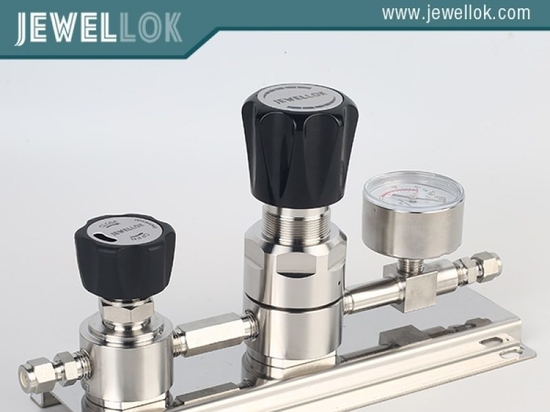
Specialty gas regulator manufacturers
Specialty gas regulator manufacturers
Conclusion
Laboratory gas valves are essential components in modern gas cabinets and gas distribution panels, providing the precision, safety, and reliability required for handling laboratory gases. From isolating hazardous gas cylinders to regulating ultra-high-purity process gases, these valves play a critical role in protecting personnel, maintaining gas purity, and ensuring uninterrupted laboratory operations.
When selecting laboratory gas valves, factors such as material quality, leak integrity, pressure rating, surface finish, automation capability, and compliance with international standards should all be carefully evaluated. High-performance options—such as electropolished 316L stainless steel diaphragm valves with helium leak-tested construction—offer superior performance for demanding laboratory and semiconductor applications.
By partnering with an experienced manufacturer that provides precision-engineered, high-purity gas valves, laboratories can build gas delivery systems that deliver long-term reliability, regulatory compliance, and exceptional operational safety. As research facilities continue to adopt smart automation and advanced gas management technologies, investing in high-quality laboratory gas valves will remain a key strategy for achieving optimal performance and future-ready laboratory infrastructure.
For more about laboratory gas valves for gas cabinets and gas distribution panels, you can pay a visit to Jewellok at https://www.jewellok.com/product-category/chemical-delivery-system/ for more info.