
#Industry News
Top Exhaust Gas Treatment Technologies for Industrial Pollution Control
Top Exhaust Gas Treatment Technologies for Industrial Pollution Control
Introduction
Industrialization has significantly contributed to global economic growth, but it has also increased emissions of hazardous exhaust gases that threaten human health, environmental sustainability, and regulatory compliance. Industries such as semiconductor manufacturing, chemical processing, pharmaceuticals, metallurgy, electronics, power generation, waste treatment, and petroleum refining produce exhaust streams containing volatile organic compounds (VOCs), acid gases, toxic gases, greenhouse gases, particulate matter, and odorous substances.
Governments worldwide continue to enforce increasingly stringent environmental regulations, requiring manufacturers to invest in advanced exhaust gas treatment systems capable of achieving extremely high removal efficiencies while maintaining operational safety and reducing operating costs.
Modern exhaust gas treatment technologies are no longer limited to simple filtration. Today’s integrated systems combine chemical, thermal, catalytic, mechanical, and digital monitoring technologies to provide comprehensive air pollution control solutions.
This article explores the leading exhaust gas treatment technologies, their working principles, applications, advantages, and future trends for industrial pollution control.
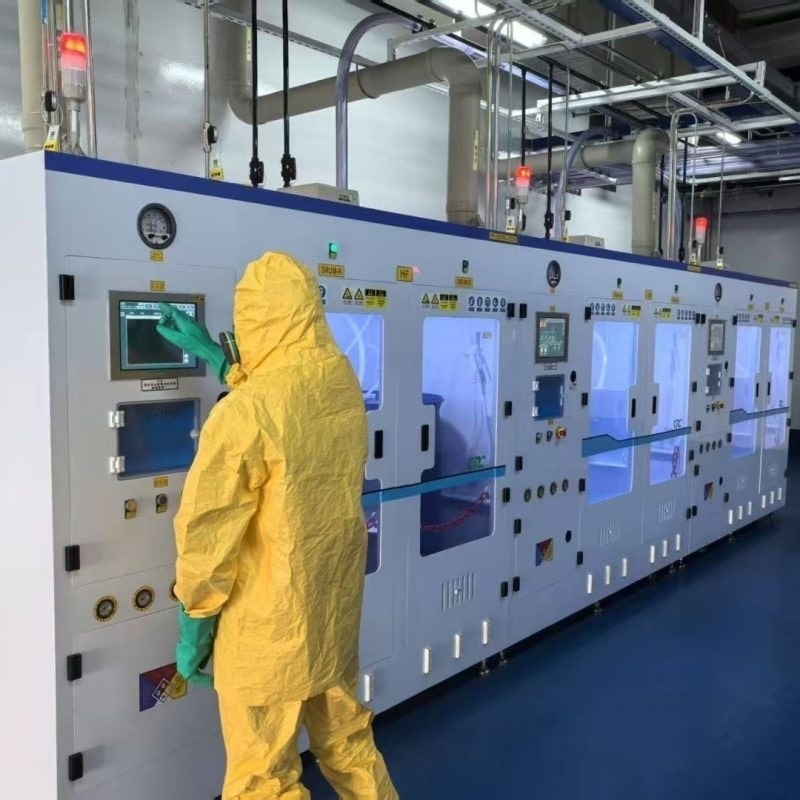
chemical delivery module (cdm) and chemical delivery system (cds)
chemical delivery module (cdm) and chemical delivery system (cds)
Why Industrial Exhaust Gas Treatment Matters
Industrial exhaust often contains harmful contaminants such as:
Volatile Organic Compounds (VOCs)
Hydrogen Chloride (HCl)
Hydrogen Fluoride (HF)
Sulfur Dioxide (SO₂)
Nitrogen Oxides (NOx)
Ammonia (NH₃)
Hydrogen Sulfide (H₂S)
Chlorine (Cl₂)
Silane (SiH₄)
Arsine (AsH₃)
Phosphine (PH₃)
Fine particulate matter
Acid mist
Toxic chemical vapors
Without effective treatment, these pollutants can:
Damage ecosystems
Cause respiratory diseases
Corrode industrial equipment
Contaminate groundwater
Violate environmental regulations
Increase operational risks
Result in substantial regulatory penalties
As industrial production expands globally, efficient exhaust gas treatment has become a critical component of sustainable manufacturing.
Types of Industrial Exhaust Pollutants
Different manufacturing processes generate different types of pollutants.
Chemical Manufacturing
Typical emissions include:
Acid gases
Organic solvents
Chlorinated compounds
Sulfur compounds
Semiconductor Manufacturing
Processes such as CVD, ALD, Etching, Ion Implantation, and Diffusion generate:
Silane
Ammonia
Fluorinated gases
Chlorine
Hydrogen fluoride
Toxic metal compounds
These gases are highly reactive and often require specialized abatement systems.
Pharmaceutical Industry
Typical pollutants include:
Solvent vapors
Alcohols
Ketones
VOC emissions
Metal Processing
Produces:
Metal fumes
Dust
Acid mist
Oil mist
Wet Scrubber Technology
Wet scrubbers remain one of the most widely used industrial exhaust treatment technologies.
Working Principle
A wet scrubber removes pollutants by bringing contaminated gas into contact with a scrubbing liquid, usually water or a chemical solution.
During gas-liquid contact:
Acid gases dissolve into alkaline solutions.
Soluble contaminants are absorbed.
Particulates are captured by water droplets.
Chemical neutralization converts hazardous gases into harmless salts.
Common neutralizing chemicals include:
Sodium hydroxide (NaOH)
Potassium hydroxide (KOH)
Sodium carbonate
Calcium hydroxide
Advantages
Excellent removal efficiency for acid gases
High reliability
Mature technology
Suitable for continuous operation
Low explosion risk
Typical Applications
Semiconductor fabs
Chemical plants
Battery manufacturing
Fertilizer production
Metal pickling facilities
Dry Scrubber Systems
Unlike wet scrubbers, dry scrubbers use dry sorbents instead of liquid chemicals.
Typical absorbents include:
Activated alumina
Calcium hydroxide
Sodium bicarbonate
Activated carbon
The contaminated gas passes through a reaction chamber where pollutants react with the absorbent.
Advantages
No wastewater generation
Lower maintenance
Reduced corrosion
Compact footprint
Applications
Waste incinerators
Cement plants
Pharmaceutical facilities
Semiconductor gas abatement
Thermal Oxidizers
Thermal oxidation destroys combustible pollutants through high-temperature combustion.
Operating temperatures generally range from:
750°C to 1,200°C
Organic compounds are converted into:
Carbon dioxide
Water vapor
Removal efficiencies often exceed 99%.
Types
Direct Thermal Oxidizer
Suitable for:
High VOC concentrations
Stable exhaust streams
Regenerative Thermal Oxidizer (RTO)
RTO systems recover heat using ceramic media, reducing fuel consumption while maintaining excellent destruction efficiency.
Benefits include:
High thermal efficiency
Low fuel cost
Long service life
High VOC destruction rate
Catalytic Oxidation Systems
Catalytic oxidation performs the same oxidation process at significantly lower temperatures.
Typical catalysts include:
Platinum
Palladium
Mixed metal oxides
Operating temperatures typically range between:
250°C and 450°C
Advantages
Lower energy consumption
Reduced operating cost
Lower CO₂ emissions
High destruction efficiency
Catalytic oxidizers are widely used in:
Electronics manufacturing
Printing industries
Paint coating lines
Pharmaceutical production
Activated Carbon Adsorption
Activated carbon has an extremely large surface area capable of adsorbing organic molecules.
VOC molecules attach to the porous carbon surface through physical adsorption.
When saturated, the carbon can be:
Replaced
Steam regenerated
Thermally regenerated
Advantages
High VOC removal efficiency
Low initial investment
Easy installation
Excellent odor removal
Typical applications include:
Paint booths
Printing factories
Electronics assembly
Chemical storage facilities
Biological Air Treatment
Biofiltration uses naturally occurring microorganisms to degrade pollutants.
Microorganisms living inside the filter media consume pollutants as a food source.
Common filter media include:
Compost
Wood chips
Peat
Synthetic packing
Suitable pollutants include:
Hydrogen sulfide
Ammonia
VOCs
Odorous compounds
Advantages
Low operating cost
Environmentally friendly
Low energy consumption
Minimal chemical usage
Electrostatic Precipitators (ESP)
Electrostatic precipitators remove particulate matter using electrostatic forces.
Particles receive an electrical charge before being attracted to oppositely charged collection plates.
Collected particles are periodically removed by mechanical rapping systems.
Applications
Coal-fired power plants
Cement plants
Steel mills
Biomass power stations
Removal efficiency often exceeds 99%.
Baghouse Filtration Systems
Baghouse dust collectors use fabric filter bags to capture airborne particles.
Dust accumulates on the filter surface while clean air passes through.
Cleaning methods include:
Pulse jet cleaning
Reverse air
Mechanical shaking
Advantages
Extremely high dust collection efficiency
Long filter life
Suitable for high dust loading
Flexible design
Multi-Stage Exhaust Gas Treatment Systems
Many industrial exhaust streams contain multiple contaminants that cannot be effectively removed using a single technology.
Modern systems often integrate several treatment stages.
A typical semiconductor exhaust treatment system may include:
Particle pre-filter
Wet scrubber
Chemical absorber
Activated carbon adsorber
HEPA filtration
Continuous emission monitoring
Such integrated systems provide comprehensive removal of particulate matter, acid gases, toxic gases, and VOCs while enhancing reliability and regulatory compliance.
Smart Monitoring and Digital Control
Industry 4.0 technologies are transforming exhaust gas treatment systems.
Modern control systems integrate:
PLC automation
Human-machine interface (HMI)
SCADA platforms
Remote diagnostics
Cloud connectivity
Real-time gas monitoring
Predictive maintenance
AI-assisted optimization
Continuous monitoring of parameters such as gas concentration, pressure, flow rate, pH, temperature, and differential pressure enables operators to optimize performance and reduce downtime.
Selecting the Right Exhaust Gas Treatment Technology
Choosing the appropriate solution depends on several factors.
Pollutant Type
Determine whether the exhaust contains:
Acid gases
VOCs
Toxic gases
Dust
Mixed contaminants
Gas Flow Rate
Treatment equipment must match the required airflow capacity.
Pollutant Concentration
High concentrations may require thermal destruction, while lower concentrations may be suitable for adsorption.
Temperature
Some technologies require cooling before treatment.
Humidity
Moisture content influences adsorption and chemical reaction efficiency.
Regulatory Requirements
Compliance with local emission standards should always guide system selection.
Operating Cost
Evaluate:
Energy consumption
Chemical consumption
Maintenance requirements
Waste disposal costs
Equipment lifespan
Emerging Technologies
Industrial air pollution control continues to evolve rapidly.
Promising innovations include:
Plasma Technology
Non-thermal plasma generates highly reactive radicals capable of decomposing VOCs and hazardous gases at relatively low temperatures.
Advanced Catalysts
Nanostructured catalysts provide higher activity, longer lifespan, and improved resistance to poisoning.
AI-Based Process Optimization
Artificial intelligence continuously adjusts operating parameters to maximize pollutant removal while minimizing energy consumption.
Carbon Capture Integration
Future exhaust treatment systems increasingly combine traditional pollution control with carbon capture technologies to reduce greenhouse gas emissions.
Energy Recovery Systems
Heat exchangers and regenerative technologies recover waste heat from exhaust streams, improving overall plant energy efficiency.
Future Outlook
As environmental regulations become increasingly stringent, industrial facilities must adopt cleaner and smarter pollution control technologies. The future of exhaust gas treatment lies in integrated, energy-efficient systems capable of handling multiple pollutants while minimizing environmental impact.
Emerging solutions that combine wet scrubbing, catalytic oxidation, adsorption, real-time monitoring, and AI-driven process optimization will play a crucial role in helping industries achieve carbon reduction goals and maintain regulatory compliance. Semiconductor manufacturing, pharmaceuticals, chemicals, battery production, and advanced electronics will continue to drive demand for high-performance exhaust gas treatment systems.
Manufacturers that invest in advanced pollution control technologies not only reduce emissions but also improve operational safety, enhance equipment reliability, lower lifecycle costs, and strengthen their environmental reputation.
High-Purity Bulk Chemical Distribution Systems
High-Purity Bulk Chemical Distribution Systems
Conclusion
Industrial exhaust gas treatment has become an essential element of modern manufacturing. With a wide range of technologies—including wet scrubbers, dry scrubbers, thermal oxidizers, catalytic oxidation systems, activated carbon adsorption, biofiltration, electrostatic precipitators, and multi-stage integrated treatment systems—industries can effectively control hazardous emissions and comply with increasingly rigorous environmental standards.
The optimal solution depends on pollutant characteristics, process requirements, operational costs, and regulatory obligations. By adopting advanced exhaust gas treatment technologies combined with intelligent monitoring and automation, manufacturers can achieve superior pollution control, improve workplace safety, reduce environmental impact, and support long-term sustainable industrial development.
For more about top exhaust gas treatment technologies for industrial pollution control, you can pay a visit to Jewellok at https://www.specialtygasregulator.com/product-category/specialty-gas-cabinet/ for more info.