
#Industry News
How to Select the Right Needle Valve for Gas and Fluid Control Systems
How to Select the Right Needle Valve for Gas and Fluid Control Systems
Needle valves are essential precision control components used in a wide range of gas and fluid handling systems where accurate flow regulation, pressure control, and reliable shut-off performance are required. Unlike standard ball valves or gate valves that are mainly designed for rapid on/off operation, needle valves provide exceptional control over flow rates through a finely machined needle-shaped plunger and valve seat design.
Selecting the right needle valve is critical for ensuring system efficiency, safety, and long-term reliability. An improperly selected valve can lead to flow instability, leakage, contamination, pressure fluctuations, or premature equipment failure. This is especially important in industries such as semiconductor manufacturing, chemical processing, laboratory gas systems, pharmaceutical production, energy, and industrial automation, where high purity and precise process control are required.
This article explains the key factors to consider when selecting a needle valve for gas and fluid control systems, including valve materials, pressure ratings, flow requirements, sealing technologies, connection types, and application-specific considerations.
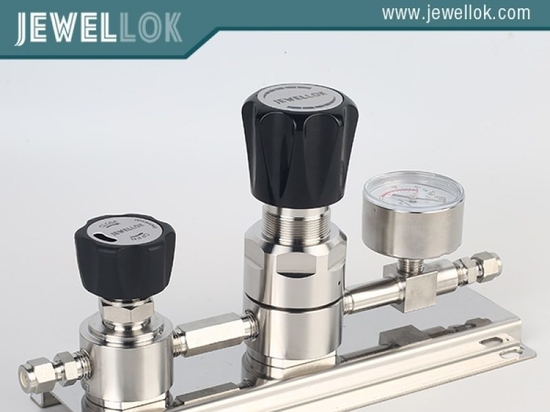
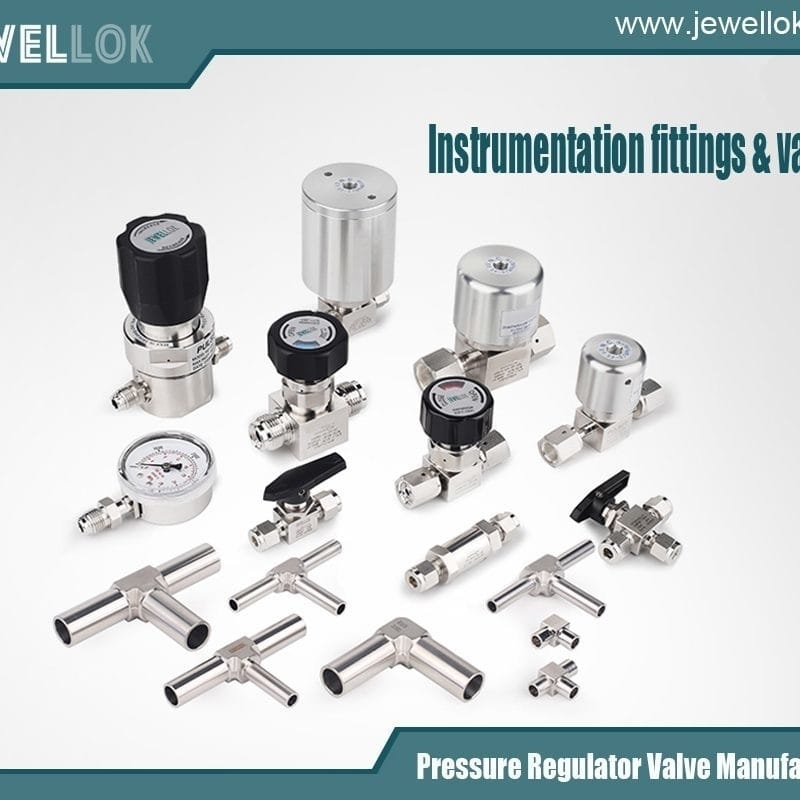
best single stage ultra high purity semiconductor grade regulator
best single stage ultra high purity semiconductor grade regulator
1. Understanding the Function of a Needle Valve
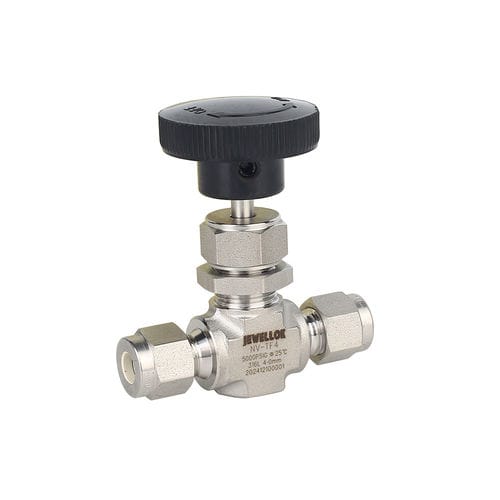
A needle valve is a precision flow control valve that regulates fluid or gas flow by moving a tapered needle-shaped stem into and out of a matching valve seat. The small opening created between the needle and seat allows operators to precisely adjust flow rates.
The main functions of needle valves include:
Fine flow adjustment
Accurate pressure regulation
Isolation of process lines
Calibration of instruments
Sampling and analytical applications
Control of high-pressure gases and liquids
Because of their precise control capability, needle valves are widely used in applications where even small changes in flow can affect process performance.
For example, in semiconductor gas delivery systems, needle valves help control ultra-high purity gases supplied to process chambers. In chemical systems, they regulate corrosive liquid flow with high accuracy.
2. Consider the Application Requirements
Before selecting a needle valve, it is important to understand the operating conditions of the system. The correct valve depends heavily on the type of medium, pressure, temperature, and required flow accuracy.
Key application factors include:
2.1 Gas or Liquid Medium
The first consideration is the type of fluid or gas passing through the valve.
Different media require different valve materials and sealing solutions.
Common applications include:
High Purity Gases
Used in:
Semiconductor fabrication
Solar manufacturing
Display production
Laboratory gas systems
These applications often require:
Ultra-high purity (UHP) stainless steel construction
Electropolished internal surfaces
Low particle generation
Minimal dead volume
High leak tightness
Corrosive Chemicals
Used in:
Chemical processing
Semiconductor wet processes
Pharmaceutical systems
These applications may require:
Hastelloy materials
PTFE seals
PFA components
Corrosion-resistant coatings
Industrial Fluids
Used in:
Hydraulic systems
Instrumentation systems
Process control equipment
These systems usually require:
Durable metal construction
High pressure resistance
Reliable sealing performance
Understanding the chemical compatibility between the valve materials and the operating medium is essential for preventing corrosion and contamination.
3. Select the Appropriate Valve Material
The material of a needle valve directly affects durability, corrosion resistance, and system cleanliness.
3.1 Stainless Steel Needle Valves
316 stainless steel is one of the most commonly used materials for industrial needle valves.
Advantages include:
Excellent corrosion resistance
High mechanical strength
Good temperature performance
Long service life
316L stainless steel is preferred for high purity applications because it has lower carbon content, reducing the risk of corrosion after welding.
Typical applications:
Semiconductor gas systems
Chemical delivery systems
Laboratory equipment
Pharmaceutical processing
For ultra-high purity applications, 316L stainless steel valves may undergo special surface treatments such as electropolishing to reduce surface roughness and minimize contamination.
3.2 Brass Needle Valves
Brass needle valves are commonly used for general industrial and instrumentation applications.
Advantages:
Cost-effective
Easy machining
Good performance with non-corrosive fluids
Typical applications:
Pneumatic systems
Water systems
General instrumentation
However, brass is not suitable for many high purity or corrosive chemical applications.
3.3 Special Alloy Needle Valves
For extremely corrosive environments, advanced alloys may be required.
Examples include:
Hastelloy
Monel
Titanium alloys
These materials provide superior resistance against aggressive chemicals and harsh operating conditions.
4. Evaluate Pressure and Temperature Ratings
Every needle valve has maximum pressure and temperature limits. Selecting a valve with insufficient ratings can create serious safety risks.
Important specifications include:
Maximum working pressure
Burst pressure rating
Operating temperature range
Pressure cycling requirements
For example:
Low-pressure laboratory applications may use compact instrumentation needle valves.
High-pressure gas systems may require reinforced stainless steel needle valves rated for hundreds or thousands of PSI.
Temperature also affects valve performance.
High-temperature applications may require:
Metal-to-metal sealing
High-temperature alloys
Specialized packing materials
Low-temperature applications may require materials designed to prevent brittleness and leakage.
Always select a valve with ratings exceeding actual operating conditions to provide a safety margin.
5. Determine the Required Flow Control Accuracy
One of the most important advantages of needle valves is precise flow adjustment.
However, different needle valve designs provide different levels of control.
Factors affecting flow control include:
Needle Tip Design
The shape of the needle tip determines how smoothly the flow changes.
Common designs include:
Standard tapered needle
Fine control needle
V-port needle
Fine-control designs are suitable for applications requiring extremely small flow adjustments.
Orifice Size
The internal flow passage affects the maximum flow capacity.
A smaller orifice provides:
Better precision
Lower flow rates
A larger orifice provides:
Higher flow capacity
Lower pressure drop
Selecting the correct orifice size ensures the valve performs efficiently without unnecessary restriction.
6. Choose the Right Connection Type
Connection design is another important selection factor.
Common needle valve connection options include:
Threaded Connections
Examples:
NPT
BSP
Metric threads
Advantages:
Easy installation
Lower cost
Suitable for general applications
Compression Tube Fittings
Common in instrumentation systems.
Advantages:
Simple installation
Reliable sealing
Easy maintenance
VCR and Face Seal Connections
Used extensively in semiconductor and ultra-high purity gas systems.
Advantages:
Extremely low leakage
High cleanliness
Minimal contamination risk
For critical gas delivery systems, metal gasket face seal connections are often preferred because they provide superior sealing performance.
7. Consider Leakage Performance and Sealing Technology
Leakage prevention is critical in gas and fluid control systems.
A high-quality needle valve should provide reliable sealing at both the valve seat and stem.
Important sealing technologies include:
Metal-to-Metal Sealing
Advantages:
High temperature resistance
Excellent durability
Suitable for vacuum and high purity applications
Soft Seat Sealing
Materials may include:
PTFE
PEEK
PFA
Advantages:
Excellent shut-off capability
Suitable for chemical applications
However, soft seals may have temperature limitations compared with metal seals.
For semiconductor and specialty gas applications, valves often require extremely low leakage rates to maintain process stability and safety.
8. Manual vs Automated Needle Valves
Needle valves can be operated manually or integrated into automated control systems.
Manual Needle Valves
Suitable for:
Laboratory systems
Calibration equipment
Small process lines
Advantages:
Simple design
Low maintenance
Cost-effective
Automated Needle Valves
Used when precise remote control is required.
Options include:
Pneumatic actuators
Electric actuators
Digital control systems
Applications include:
Semiconductor manufacturing equipment
Automated chemical processing
Industrial production lines
Automated needle valves allow integration with PLC systems and process control platforms.
9. Needle Valve Applications in Semiconductor and High Purity Systems
The semiconductor industry has some of the most demanding requirements for needle valves.
Modern semiconductor manufacturing requires extremely clean gas delivery systems to support processes such as:
Chemical vapor deposition (CVD)
Atomic layer deposition (ALD)
Etching
Ion implantation
Needle valves used in semiconductor applications typically require:
UHP 316L stainless steel construction
Electropolished surfaces
Low particle generation
High helium leak performance
Precise flow control
VCR connections
These valves are commonly installed in:
Gas cabinets
Gas panels
Pressure control systems
Chemical delivery units
The quality of the needle valve directly impacts process stability, wafer yield, and equipment reliability.
10. Maintenance and Reliability Considerations
Although needle valves are designed for long-term operation, proper maintenance improves performance.
Recommended practices include:
Regular inspection for leakage
Checking valve operation torque
Avoiding excessive tightening
Keeping external surfaces clean
Replacing worn seals when necessary
For critical applications, selecting valves from experienced manufacturers with strict quality control processes is highly recommended.
Important manufacturing considerations include:
Precision machining
Surface finishing
Material certification
Pressure testing
Leak testing
11. How to Choose a Reliable Needle Valve Manufacturer
When purchasing needle valves for industrial applications, consider the following supplier capabilities:
Engineering Experience
A qualified manufacturer should understand:
Fluid dynamics
Material compatibility
High purity requirements
Industrial safety standards
Manufacturing Capability
Look for:
CNC precision machining
Clean assembly environments
Advanced inspection equipment
Quality documentation
Customization Options
Many applications require customized solutions, such as:
Special materials
Custom pressure ratings
Unique connection configurations
Modified flow coefficients
A professional valve manufacturer should be able to provide engineering support and customized designs.
Conclusion
Selecting the right needle valve for gas and fluid control systems requires careful consideration of application requirements, operating conditions, material compatibility, pressure ratings, flow accuracy, sealing performance, and connection design.
For general industrial applications, stainless steel or brass needle valves may provide reliable performance. However, demanding industries such as semiconductor manufacturing, chemical processing, and pharmaceutical production require advanced solutions featuring ultra-high purity materials, precision machining, and superior leakage control.
By choosing the correct needle valve design and working with an experienced manufacturer, companies can improve system safety, enhance process stability, reduce maintenance costs, and achieve reliable long-term operation.
A properly selected needle valve is not simply a flow control component—it is a critical element that ensures accuracy, efficiency, and reliability throughout the entire gas and fluid management system.
For more about how to select the right needle valve for gas and fluid control systems, you can pay a visit to Jewellok at https://www.jewellok.com/ for more info.