
#Product Trends
How Do Ceramic Bead Blasting Media Make Medical Implants Shine Like New?
The Magic Behind the Microscopic: How Ceramic Bead Blasting Transforms Medical Implants
In modern medical device manufacturing, surface treatment technology plays a crucial role in the performance and biocompatibility of medical implants. Ceramic bead blasting, as an efficient and precise surface treatment process, has been widely applied in the manufacturing of orthopedic, dental, and cardiovascular implants. But how does ceramic bead blasting work its "microscopic magic" to rejuvenate implants? This article delves into its technical advantages and clinical applications.
1. Advantages of Ceramic Bead Blasting Media
Ceramic bead blasting media (such as zirconia ceramic beads) have unique physical and chemical properties that make them an ideal choice for surface treatment of medical implants:
High Hardness and Wear Resistance: Ceramic beads are hard enough to effectively remove surface impurities and oxide layers without damaging the base material, while maintaining the original shape of the implant.
Biocompatibility: Ceramic bead blasting media do not produce metal contamination during the process, ensuring the purity of the implant surface, which is critical for medical devices intended for human implantation.
Surface Roughness Control: By precisely controlling the blasting process parameters, the desired surface roughness can be achieved, promoting osseointegration and coating adhesion.
2. Applications in Medical Implants
Ceramic bead blasting media are widely used in the surface treatment of the following medical implants:
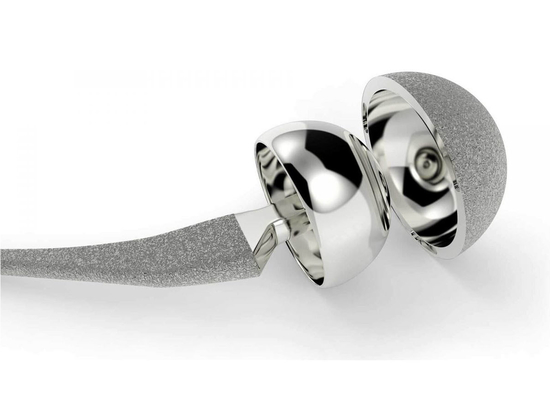
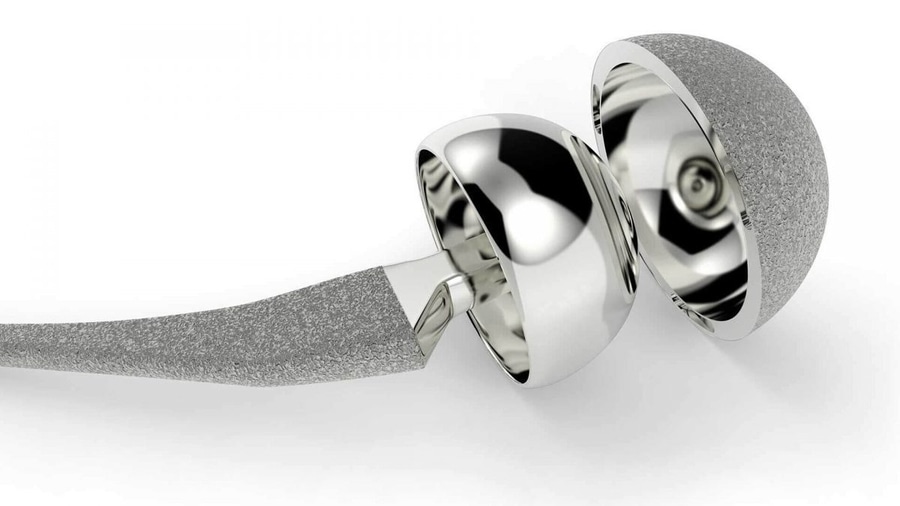
Orthopedic Implants: Through blasting treatment, the surface of the implants forms a micro-rough structure that promotes bone tissue growth and osseointegration. Studies have shown that orthopedic implants treated with blasting exhibit better bone integration in vivo.
Dental Implants: Ceramic bead blasting enhances the surface cleanliness and roughness of the implants, increases the adhesion of coatings, and reduces the risk of infection.
Titanium Alloy Implants: Blasting treatment removes the oxide layer from the surface of titanium alloys while introducing residual compressive stress, enhancing the fatigue resistance of the implants.
3. Process Optimization and Quality Control
In the blasting process, the following process parameters need to be strictly controlled:
Blasting Pressure: Typically between 0.2-0.6 MPa to ensure effective surface treatment.
Media Particle Size: Choose the appropriate particle size based on the dimensions and surface requirements of the implant, usually between 0.1-0.5 mm.
Blasting Time: Adjust the blasting time according to the material and surface requirements to avoid over-treatment.
Additionally, the surface quality after blasting needs to be inspected using microscopes, roughness meters, and other equipment to ensure that the surface roughness and cleanliness meet the required standards.
4. Case Study
In a study, titanium alloy implants treated with a combination of blasting and micro-arc oxidation (MAO) successfully deposited a bioactive ceramic coating containing calcium and phosphorus. This treatment not only enhanced the biological activity of the implants but also significantly improved osseointegration.
5. Conclusion
Ceramic bead blasting media have demonstrated outstanding performance and broad application prospects in the surface treatment of medical implants. By optimizing blasting process parameters, the surface quality and biocompatibility of implants can be effectively enhanced, providing a reliable solution for the manufacturing of medical implants. As technology continues to advance, ceramic bead blasting is poised to play a unique role in more areas, bringing new breakthroughs to the medical device industry.