
#Industry News
From Surface to Safety: The Untold Importance of Inert Media in Medical Devices
Why the future of medical device quality starts with what you can’t see—clean, inert, and contaminant-free surface processing.
In the ever-evolving landscape of medical device manufacturing, surface treatment plays a pivotal role in determining not only the performance and longevity of the product but also patient safety and regulatory compliance. As manufacturers seek more reliable, biocompatible, and contamination-free solutions, the choice of processing media has come under increased scrutiny. One of the most critical advancements in this field is the use of clean inert media during surface treatments. But what exactly does this mean, and why is it so essential?
What Is Clean Inert Media?
Clean inert media refers to processing substances that are chemically non-reactive, non-toxic, and free of contaminants or residues. These can include inert gases like argon or nitrogen, specialized polishing or blasting media, and other materials specifically engineered not to interact chemically with the substrate of the device.
Unlike traditional abrasive or chemically reactive media, clean inert materials ensure that no unwanted residues, oxides, or micro-contaminants are introduced during processes like surface preparation, finishing, cleaning, or coating.
Why Surface Treatment Matters in Medical Devices
Medical devices such as implants, surgical tools, and diagnostic components must meet strict standards for cleanliness, durability, and biocompatibility. Surface properties directly affect:
* Biocompatibility : The surface must not trigger any adverse biological response.
* Corrosion Resistance : Especially critical in metallic implants and instruments.
* Adhesion : Coatings and sterilization layers must firmly adhere to the substrate.
* Cleanliness : Any residue can compromise sterility and patient safety.
* Traceability and Compliance : Proper surface treatment is key for meeting FDA, ISO, and CE regulatory standards.
Failing to properly treat surfaces can result in product recalls, device failure, and in the worst-case scenario, harm to patients.
The Case for Clean Inert Media
1. Eliminating Contamination Risks
Using clean inert media significantly reduces the risk of particulate contamination, chemical residues, or reactive byproducts that could compromise the cleanliness or function of a medical device. This is especially important in cleanroom environments where even microscopic contamination is unacceptable.
2. Enhancing Surface Integrity
Surface treatments that involve aggressive or chemically reactive media can damage or alter the microstructure of a device. Inert media, being non-reactive, preserves the base material’s integrity while allowing for controlled texture modifications needed for coating adhesion or biological interaction.
3. Regulatory Compliance and Traceability
Modern regulatory frameworks demand stringent documentation and process validation. Clean inert media provides a predictable, standardized surface treatment process that can be easily validated, audited, and repeated across production batches—critical for CE marking and FDA clearance.
4. Compatibility with Advanced Materials
With the increasing use of advanced materials like titanium alloys, shape-memory alloys, and high-performance polymers, traditional surface treatment methods may fall short or cause unwanted reactions. Clean inert media ensures compatibility with these materials, maintaining structural and chemical stability throughout the treatment process.
5. Environmental and Worker Safety
Many traditional abrasive or chemical media involve hazardous substances that pose risks to both the environment and operators. Clean inert media eliminates the use of solvents or aggressive chemicals, aligning with green manufacturing initiatives and ensuring safer working conditions.
Applications Across the Medical Device Industry
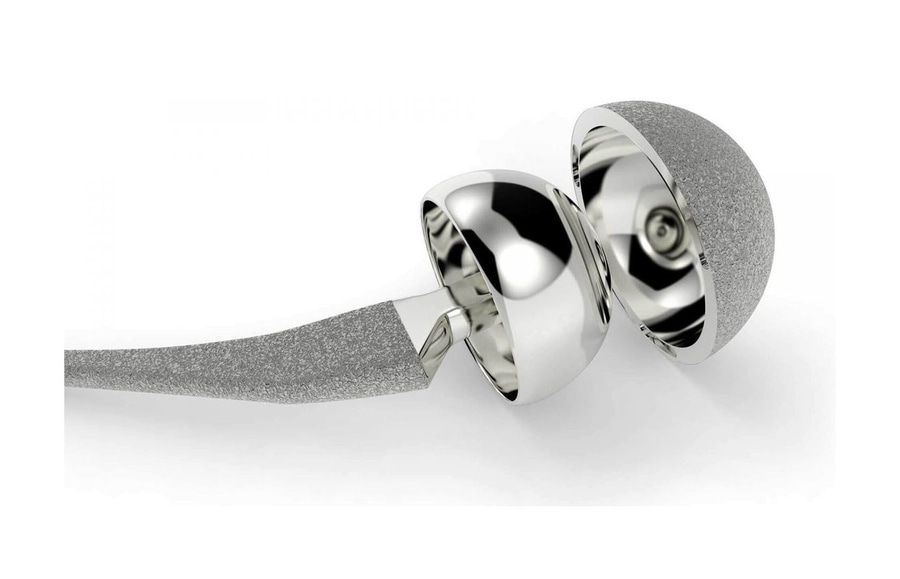
From orthopedic implants and dental instruments to stents and catheters, the use of clean inert media is revolutionizing how surfaces are prepared, finished, and cleaned. It is especially relevant in:
* Plasma surface activation
* Precision blasting and texturing
* Dry ice or CO₂ cleaning
* Non-contact surface preparation
* Post-machining deburring and cleaning
These techniques provide high precision while ensuring that no harmful byproducts are left behind.
Future Outlook
As the demand for high-performance, miniaturized, and implantable devices grows, surface treatment requirements will only become more stringent. The integration of automation, robotics, and data-driven monitoring in surface treatment processes further amplifies the need for clean, controllable, and inert media solutions.
Manufacturers who invest in clean inert media today are not only enhancing their product quality but also positioning themselves for future regulatory landscapes and market expectations.
Conclusion
In the high-stakes world of medical device manufacturing, the surface is not just skin-deep. It is a critical determinant of performance, safety, and regulatory success. Clean inert media offers a pathway to achieve consistently high-quality surface finishes while maintaining biocompatibility and minimizing risk. It is not just a best practice—it is fast becoming an industry standard.
Tags
Medical Device Manufacturing
Surface Treatment
Inert Media
Biocompatibility
Cleanroom Processing
Medical Implants
FDA Compliance
Precision Engineering