
#Industry News
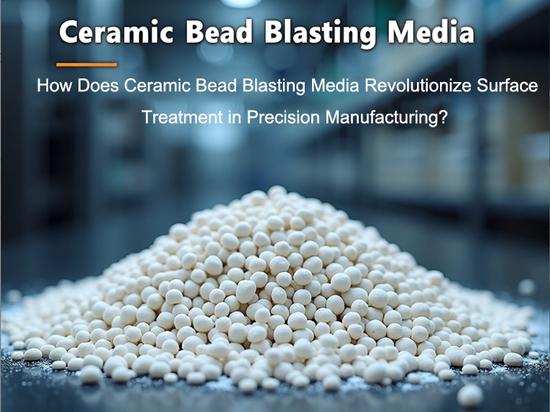
Reinventing Automotive Excellence: Why Ceramic Blasting Media Is Taking Over the Industry
Explore how ceramic blasting media is redefining quality, efficiency, and sustainability for the modern automotive industry
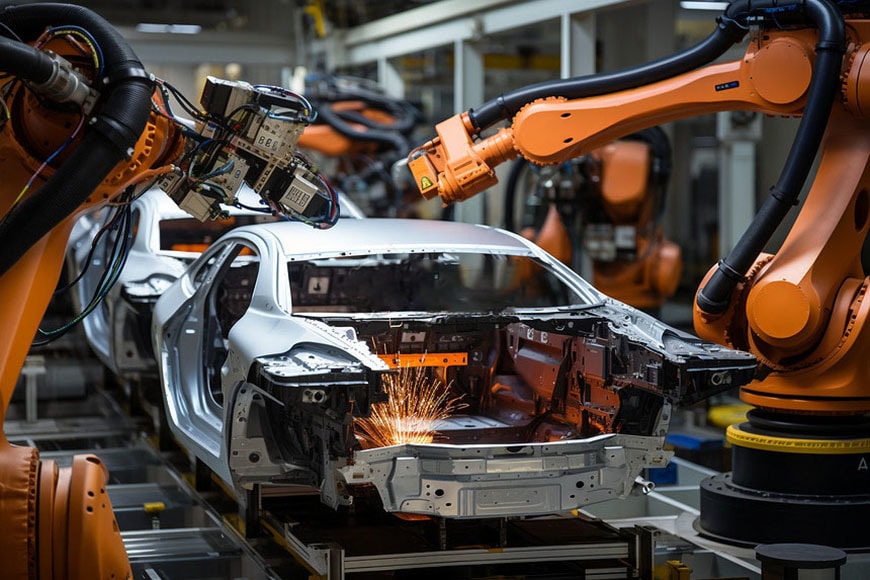
The automotive industry is under relentless pressure to innovate, improve quality, and meet stricter environmental regulations. From lightweighting strategies to advanced surface treatments, every detail matters. One significant shift happening quietly across the industry is the move from traditional blasting abrasives to high-performance ceramic media.
This change is not a fleeting trend but a strategic decision driven by tangible benefits in production efficiency, surface quality, component durability, and environmental responsibility. In this article, we delve into the reasons behind the growing preference for ceramic blasting media among automotive suppliers and manufacturers.
1. Superior Surface Finishing for High-Performance Parts
Modern automotive components, particularly those made from aluminum alloys, high-strength steels, and composites, require precise surface preparation. Ceramic blasting media delivers highly uniform surface textures with minimal material removal, which is critical for parts that demand both aesthetic perfection and functional integrity.
Whether it is engine components, transmission parts, or structural elements, ceramic media provides consistent roughness profiles essential for downstream processes like coating, bonding, or friction enhancement.
2. Enhanced Component Durability and Fatigue Life
Surface condition directly impacts a component’s resistance to fatigue, corrosion, and wear. Ceramic bead blasting introduces a mild peening effect that imparts compressive residual stresses into the surface layers. These stresses are known to significantly improve the fatigue strength of critical automotive parts such as springs, gears, and connecting rods.
By preventing early crack initiation and propagation, ceramic blasting extends the operational lifespan of components, offering clear value in reliability-sensitive applications like electric vehicles and performance sports cars.
3. Cleaner Processing and Reduced Contamination Risks
Unlike traditional steel shot or mineral abrasives, ceramic media is chemically inert, non-ferrous, and produces minimal dust. This results in cleaner parts, reduced contamination risks, and fewer issues during subsequent finishing operations such as anodizing, painting, or welding.
For automotive suppliers working with lightweight metals like aluminum and magnesium, avoiding embedded contaminants is crucial to prevent corrosion and quality failures.
4. Higher Recyclability and Lower Operating Costs
Although ceramic media has a higher initial cost compared to some traditional abrasives, its outstanding durability and low breakdown rate make it far more cost-effective over time. A single batch of ceramic beads can be reused many more times before replacement is needed, minimizing media consumption, reducing waste disposal costs, and lowering total blasting operation expenses.
This high recyclability aligns perfectly with automotive manufacturers’ increasing focus on sustainable production practices and lifecycle cost reductions.
5. Environmental and Workplace Safety Advantages
Stricter environmental regulations and growing emphasis on employee health have made clean production processes a priority. Ceramic blasting media generates significantly less airborne dust, resulting in improved workplace air quality. Additionally, being free from heavy metals and harmful byproducts, it supports greener manufacturing initiatives.
By switching to ceramic media, suppliers demonstrate proactive compliance with environmental standards such as ISO 14001 and contribute to safer, cleaner production environments.
6. Precision for Advanced Manufacturing Technologies
As automotive manufacturing evolves with technologies like additive manufacturing, precision forging, and high-performance composites, the need for controlled, non-destructive surface treatments becomes even more critical. Ceramic blasting media offers the finesse needed to treat delicate, high-value parts without compromising their structural or dimensional properties.
This makes ceramic media an essential enabler for the future of mobility, including electric drivetrains, lightweight chassis systems, and next-generation safety components.
Conclusion: A Strategic Move Toward Excellence
The shift toward ceramic blasting media in the automotive supply chain reflects a deeper transformation in manufacturing priorities: higher quality standards, longer-lasting parts, more sustainable processes, and smarter cost management.
As the industry races toward electrification, automation, and sustainable innovation, ceramic media stands out as a key tool for suppliers who are not just keeping up, but leading the way.
Switching to ceramic blasting is not just about changing a material. It is about embracing a higher standard for the future of automotive excellence.
Tags
ceramic blasting media automotive industry
surface treatment automotive components
ceramic bead blasting benefits
fatigue strength improvement automotive
green manufacturing in automotive
automotive surface finishing solutions
abrasive media trends in car manufacturing
durable blasting media for suppliers
automotive lightweighting surface prep
ceramic media recycling efficiency