
#Industry News
How Surface Integrity and Biocompatibility Are Your Secret Weapons
Why Surface Excellence Is the Secret to Medical Device Success
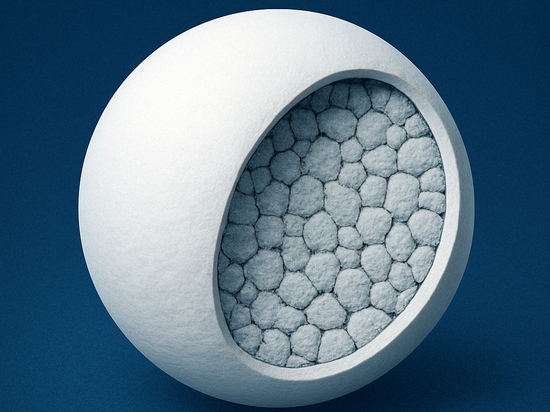
In the high-stakes world of medical technology, the difference between a successful device and a costly failure often lies in the details—and there’s no detail more critical than surface performance. Surface integrity and biocompatibility are the unsung heroes of medical device innovation, quietly shaping everything from patient safety to regulatory success. But what exactly makes these factors so powerful? Let’s peel back the layers and discover why they’re your secret weapons for breakthroughs.
1. Surface Integrity: The Foundation of Performance
Surface integrity is more than just a technical term—it’s the backbone of device reliability. Think of it as the “armor” that protects your device from wear, corrosion, and mechanical stress. When surface integrity is compromised:
Durability plummets: Surfaces crack, coatings peel, and devices fail prematurely.
Contamination risks rise: Impurities or rough surfaces become breeding grounds for bacteria.
Costs skyrocket: Recalls, repairs, and lost reputation become unavoidable.
But with advanced surface treatments like plasma cleaning, laser texturing, and corrosion-resistant coatings, you can build surfaces that stand the test of time—and patient demands.
2. Biocompatibility: The Key to Patient Trust
A device that doesn’t play nice with the human body isn’t just a failure—it’s a liability. Biocompatibility ensures your device:
Avoids rejection: Minimizes inflammatory or immune responses.
Promotes healing: Supports tissue integration and faster recovery.
Meets regulations: Complies with standards like ISO 10993 and FDA guidelines.
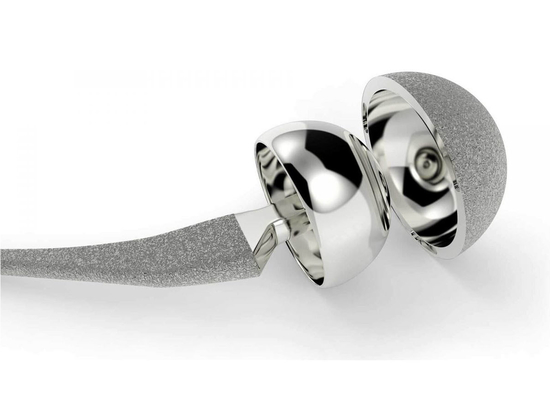
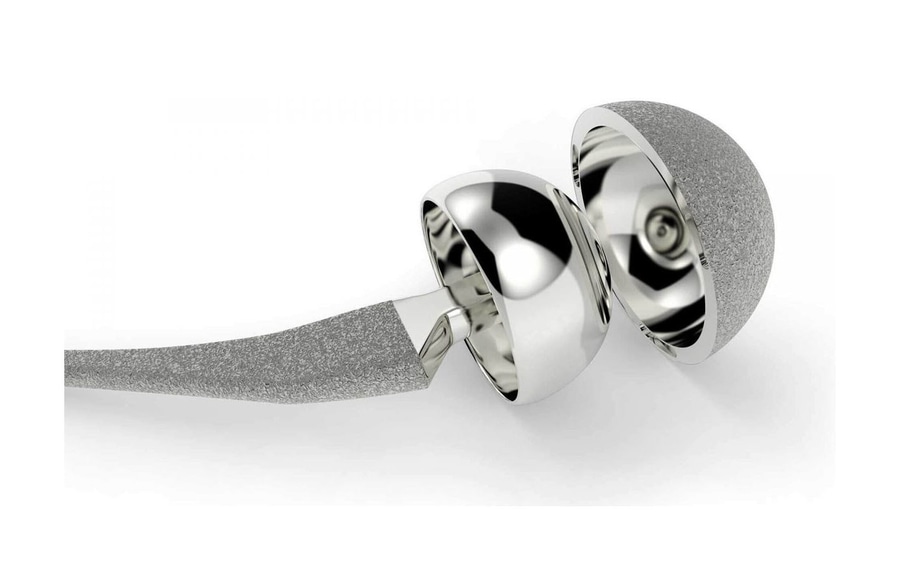
But biocompatibility isn’t one-size-fits-all. Whether you’re designing implants, surgical tools, or wearable devices, the surface must be tailored to the biological environment.
3. The Dynamic Duo: Why Surface Integrity and Biocompatibility Go Hand-in-Hand
A surface that’s mechanically strong but biologically hostile is a recipe for disaster. The magic happens when:
Smooth surfaces resist bacterial adhesion while promoting tissue growth.
Chemically stable layers prevent leaching of toxic substances.
Wettability optimizes interactions with bodily fluids, reducing infection risks.
In short, surface integrity is the “hardware,” and biocompatibility is the “software.” Both are needed for a device that performs—and survives.
4. Cutting-Edge Surface Treatments: Your Innovation Toolbox
The future of medical devices is written on their surfaces. Here’s what’s making waves:
Smart coatings: Antimicrobial layers that adapt to environmental changes.
Nanotexturing: Micro-patterned surfaces that mimic natural tissue structures.
Eco-friendly solutions: Sustainable treatments that reduce environmental impact without sacrificing performance.
These technologies aren’t just trends—they’re game-changers for devices that need to last longer, heal faster, and adapt smarter.
5. Quality Control: The Guardian of Your Reputation
In an industry where trust is everything, quality control is non-negotiable. Rigorous testing ensures:
Surface analysis: Atomic force microscopy (AFM) and XPS verify every microscopic detail.
Biocompatibility validation: From cytotoxicity to long-term implant studies, nothing is left to chance.
Regulatory readiness: Documentation that speaks the language of compliance.
One slip-up can undo years of R&D—don’t let it be yours.
6. The Bottom Line: Why Surface Excellence Pays Off
Investing in surface integrity and biocompatibility isn’t just about compliance or performance—it’s about patient outcomes and business growth. Devices that heal faster, last longer, and avoid complications become the gold standard.
At Henglihong Technology, we specialize in turning surface science into real-world solutions. Ready to elevate your devices from good to groundbreaking? Let’s build the future—surface by surface.
#MedicalDeviceInnovation #SurfaceScience #BiocompatibleMaterials #HealthcareTech #FutureOfMedicine