
#Industry News
Mastering Microns: The Role of Ceramic Blasting in Ultra-Fine Manufacturing
How ceramic blasting media empowers high-precision industries with unmatched surface control, repeatability, and efficiency.
In the world of modern manufacturing, where tolerances are measured in microns and surface integrity defines product performance, every detail matters. From aerospace components to surgical instruments and semiconductor molds, high-precision manufacturing demands materials and processes that deliver flawless surfaces, dimensional consistency, and repeatable results.
Enter ceramic blasting media—a high-performance solution increasingly favored by advanced manufacturers worldwide. More than just a cleaning agent, ceramic beads are a strategic tool in fine-tuned production environments where surface control and process reliability are critical.
This article explores how ceramic blasting contributes to high-precision manufacturing workflows and why it’s becoming indispensable in achieving world-class quality and productivity.
1. Engineered for Precision: Controlled Surface Finishing
Ceramic blasting media, typically made from zirconia or alumina ceramics, is designed with controlled hardness, density, and sphericity. These features allow for:
* Uniform impact energy that avoids over-blasting
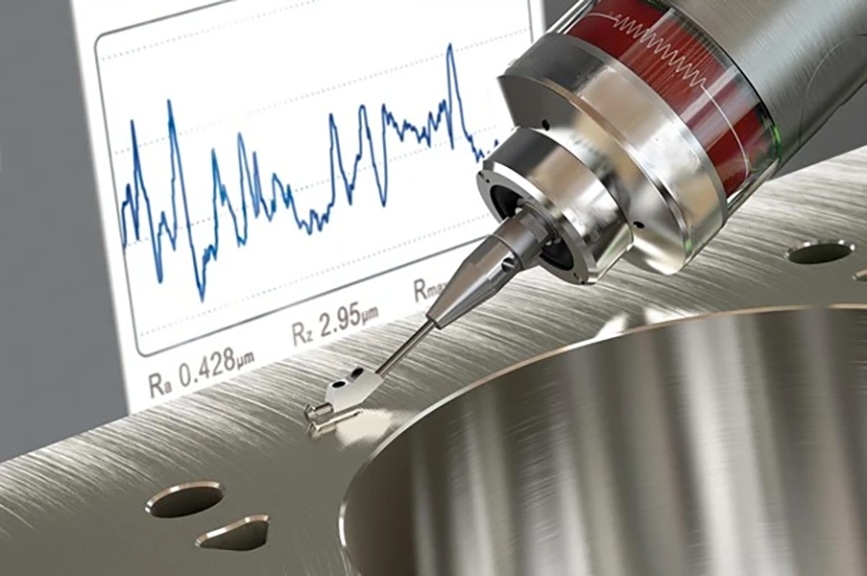
* Consistent surface roughness (Ra) across complex shapes
* Minimal material removal, preserving tight tolerances
This level of control is essential for precision-critical industries such as:
* Aerospace turbine components
* Injection molds for medical devices
* Electronic housings and sensor enclosures
* Watchmaking and optical instruments
Where traditional abrasives might damage or distort the substrate, ceramic media delivers repeatable, non-destructive performance.
2. Superior Flow for Intricate Geometries
Precision components often feature fine grooves, small cavities, narrow radii, and high-aspect-ratio channels. Cleaning or texturing these features without clogging or missing sections requires a medium that flows with maximum control and minimal resistance.
Thanks to their spherical shape and uniform size, ceramic beads offer:
* Smooth flow into tight and complex geometries
* No angular particles to cause surface gouging
* Even coverage without concentrated hotspots
This ensures complete surface treatment without compromising dimensional accuracy or functional fit—a must for assemblies involving press-fits, seals, or sliding interfaces.
3. Surface Enhancement Beyond Cleaning
Ceramic blasting is not just about removing contaminants—it’s also about modifying the surface to improve performance. Depending on parameters like blast pressure, nozzle angle, and media size, ceramic beads can deliver various enhancements:
* Create a satin, matte, or frosted finish for cosmetic appeal
* Improve adhesion for subsequent coating or painting
* Induce compressive stress to enhance fatigue resistance
* Eliminate micro-burrs or residual flash from precision machining
These finishing benefits improve not only the part’s appearance but also its functionality, durability, and longevity.
4. Low Breakdown, Long Life = Operational Efficiency
In high-precision manufacturing, downtime and inconsistency are costly. Ceramic media shines in this area:
* High recyclability (hundreds of blasting cycles)
* Low friability, meaning fewer fine particles or dust
* Stable performance across long production runs
This longevity means lower media consumption, less time spent on cleaning or equipment maintenance, and more predictable process results—all crucial in lean and automated production environments.
5. Gentle Yet Effective: Safe for Delicate Surfaces
Many precision parts are made from delicate materials such as titanium, Inconel, or medical-grade stainless steel. These require treatment processes that clean without embedding media or damaging surface metallurgy.
Ceramic beads offer:
* Targeted cleaning without micro-cracking or over-etching
* Inert, non-reactive chemistry—ideal for sensitive applications
* Very low residue—suitable for cleanroom and sterile processing
For applications such as surgical tools, optical components, or semiconductor tooling, this level of safety and cleanliness is a critical advantage.
6. Precision-Compatible with Automation and Quality Systems
Ceramic blasting is fully compatible with modern CNC-integrated and robotic blasting systems, offering:
* Repeatability in automated lines
* Traceability through digital process monitoring
* Easy integration with quality management and SPC systems
This allows manufacturers to scale precision—not just in one-off prototypes but in mass production environments where quality cannot be compromised.
Conclusion: An Essential Tool in the Precision Engineering Toolbox
Ceramic blasting media plays a strategic role in supporting the ultra-fine tolerances, surface uniformity, and cleanliness that today’s high-precision industries require.
Whether it’s for enhancing mold longevity, preparing surfaces for critical coatings, or simply achieving a world-class finish, ceramic blasting delivers:
* Predictable, consistent results
* Compatibility with high-value parts and automation
* Long-term operational cost benefits
* Support for lean, sustainable manufacturing goals
As industries continue to demand more precision, cleaner processes, and smarter manufacturing, ceramic blasting media stands out as a key enabler of performance and productivity.
#CeramicBlastingMedia #PrecisionManufacturing #SurfaceFinishing #AdvancedMachining #ZirconiaBeads #AbrasiveBlasting #CleanroomProcessing #MoldMaintenance #HighAccuracyEngineering